
How to Move Large Furniture Through a Narrow Hallway Without Damage
Learn how to move large furniture through narrow hallways with ease. Tips on planning, lifting, and protecting your home & belongings.
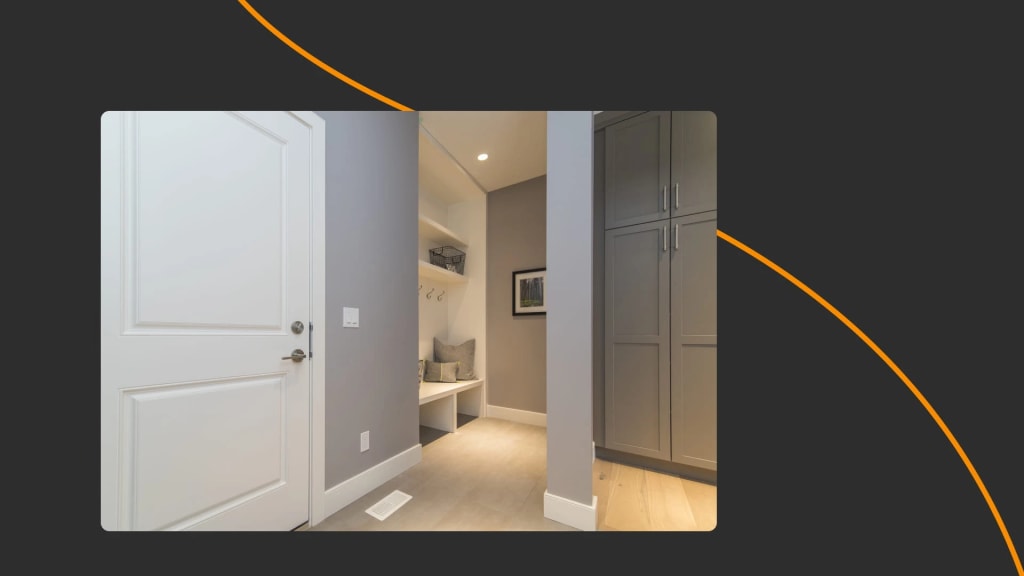
Moving furniture through a narrow hallway can be one of the most difficult parts of move , especially when dealing with large, bulky, or awkwardly shaped pieces, the movers at Wellknown Moving Company know that. Whether you’re rearranging your home or preparing for a big move, having the right techniques can make the process easier and prevent damage to your walls, floors, and furniture.
1. Measure and Plan Ahead
One of the most important steps before moving any furniture is measuring both your furniture and the space you’ll be moving through. Take a tape measure and record the dimensions of your hallway, doorways, and stairwells. Then, compare those measurements to the size of your furniture. This proactive step helps identify potential obstacles ahead of time and allows for strategic planning.
Why it matters:
- Ensures your furniture will fit through tight spots before attempting to move it.
- Helps you determine if disassembly is needed or not.
- Saves you frustration and prevents last-minute disappointments.
- If a piece of furniture is slightly too wide, consider removing doors from their hinges to create more space. Most doorways feature removable trim that can be pulled off temporarily to create extra room.
2. Disassemble Large Furniture Whenever Possible
Wherever feasible, disassemble larger pieces of furniture to enable them to be moved through narrow spaces. Most sofas, tables, and bed frames are examples of furniture that can be disassembled to reduce their size.
How to disassemble the furniture to enable movement:
- Remove table legs, if any.
- Disassemble sectional or modular couches.
- Remove the drawers and shelves from bookshelves and dressers to reduce their weight.
- Disconnect the footboard and headboard from bed frames.
Not only is it easier, but it also avoids accidentally damaging walls, door frames, and the furniture. If you don't know how to disassemble something in particular, you can look on the company's website or read the original assembly instructions.
3. Employ Correct Moving Equipment
It can be exhausting and even dangerous to try to move a heavy dresser or oversized sofa manually down a small hallway. With the right moving equipment, however, the process can be considerably smoother.
Some essentials include:
- Furniture sliders: These are placed underneath heavy furniture so that it can slide smoothly over floors without scratching them.
- Pushing dollies: A two-wheel dolly or a four-wheel furniture dolly can be utilized to transport heavy items with less strain.
- Shoulder dollies: They are straps that two people use to spread the weight evenly and allow you to lift heavy furniture without straining.
- Using the proper equipment can prevent strain and reduce the rate of injury. You can buy these moving equipment from hardware stores or rent them out from a moving company.
4. Protect Your Home and Belongings
It's always best to protect your furniture and the doorways, floor, and walls while in transit. There are limitations no matter how careful you can be, and accidents may still happen.
How to protect your home and furniture:
- Wrap your furniture with moving blankets to cushion it and prevent it from scratching.
- Cushion corners with padding or foam protectors to prevent damaging doorways and walls.
- Lay down cardboard or floor runners to protect flooring from scuff marks and dirt.
- Use painter’s tape to secure doors and drawers shut, preventing them from swinging open while moving.
This extra preparation may take a little longer, but it will help prevent costly repairs and keep your furniture in top condition.
5. Lift Correctly
If you're doing it yourself, you must lift correctly in order not to get injured. Never lift with your back—always use your legs to support the weight.
Tips for lifting correctly
- Keep your back straight and bend your knees when lifting.
- Carry heavy items close to your body for better balance.
- If lifting with another person, communicate clearly before making any moves.
- Avoid twisting your body while carrying furniture.
If a piece is too heavy or awkwardly shaped, ask for help. Moving furniture alone can lead to accidents, so it's always better to have at least one extra person assisting.
7. Test Different Moving Angles
Sometimes, furniture must be pushed through a narrow hall with some ingenuity. If a piece will not fit through the doorway head-on, try turning it on an angle or standing it upright.
Other techniques to try:
- Tilt and pivot: Rotating a couch or dresser on an angle may make it more convenient.
- Stand it up: If something is too broad, attempting it on its side may sometimes make it simpler to push.
- Twist and turn: Rotating a piece slowly while navigating around the narrow hallway may allow it to pass through tight areas.
- Patience and experimentation are the best approaches with narrow hallways. If a piece simply won't go, think about whether it can be pushed temporarily through a window or other door.
About the Creator
Keep reading
More stories from Susan Scava and writers in Journal and other communities.
Video Translation and Localization for YouTube Creators
In today's digital landscape, YouTube creators face both an exciting opportunity and a unique challenge: reaching a diverse, global audience. While creating engaging content is at the heart of any successful channel, ensuring that your message is accessible to viewers from different linguistic and cultural backgrounds is equally important. One effective way to achieve this is by embracing video translation and localization. For example, you can explore how services like Air Media Tech’s video translation division help creators adapt their content to meet the needs of international audiences.
By Susan Scavaabout a year ago in Journal
Author’s Advice
If you would’ve asked me 20 years ago did I know I’d become a writer and an author, I would’ve said “nope, ain’t happening”. As fate would have it I did become an author and I can honestly say I’m loving it so far. It really does feel good to be a writer. I’ve learned a lot on this journey and I feel like with even me being as new to this world as I am, there’s some wisdom I need to share with every other aspiring author.
By Joe Patterson4 days ago in Journal
Hydroponics and Smart Tech: The Evolution of Greenhouse Horticulture in Germany
Over the last 6 months, I analyzed the European ag-tech sector. I specifically investigated the evolution of greenhouse horticulture in Germany. During this time, I reviewed 15 industry reports and interviewed several facility managers. I discovered a rapid transformation driven by smart hydroponic farming and IoT automation. Moreover, my research highlights a critical shift toward year-round, climate-resilient agriculture. Let's explore how these cutting-edge technologies are reshaping the industry today.
By Joey Moore5 days ago in Journal
Hottest in the Office
Dear Rafi, You’re very distracting to work around. For the first second I saw you the other day, I thought you were some type of executive. It took a moment to realize no, you were just the new guy, dressed up for the job he wants. Be still, my heart.
By Gabriel Shames5 days ago in Pride




Comments
There are no comments for this story
Be the first to respond and start the conversation.