
How to Integrate a Payment Gateway in India for Seamless Transactions
With the fast-paced digital economy of today, businesses cannot afford to have limited payment options anymore.
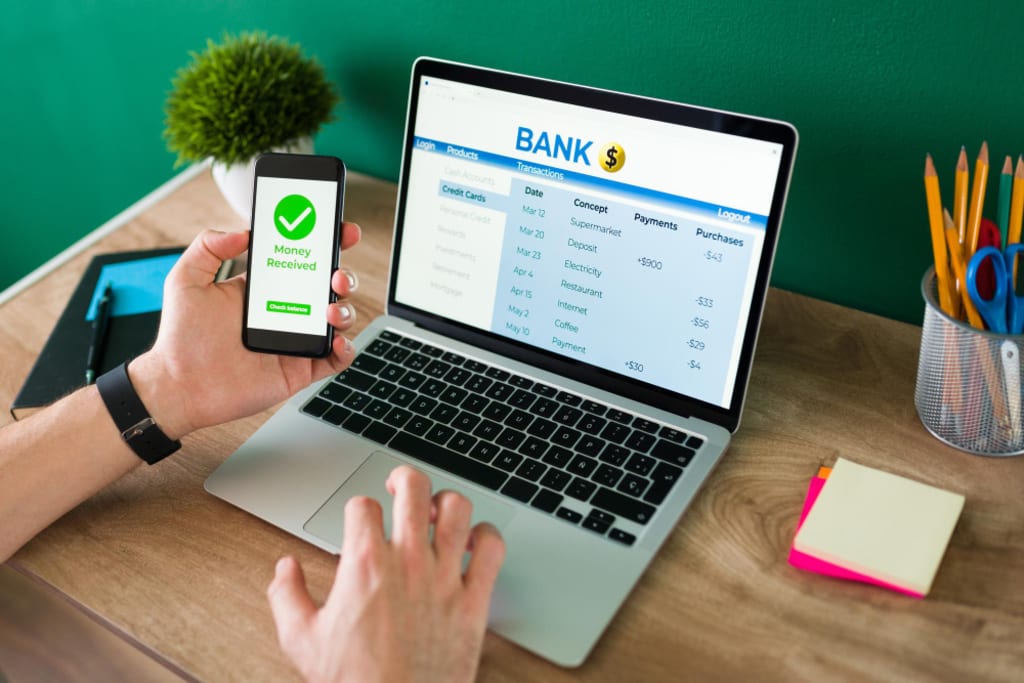
With the fast-paced digital economy of today, businesses cannot afford to have limited payment options anymore. Whether you're operating a startup, an eCommerce website, or a SaaS-based platform, ensuring hassle-free and secure payments is an uncompromisable aspect of customer satisfaction. This is where embedding a payment gateway in India becomes relevant.
So, how do you do it without running into a wall of technical terminology? Let's do it step by step—with this complete guide.
Learning the Fundamentals of a Payment Gateway In India
It's important to learn what a payment gateway in India is before we get into the technicalities.
A payment gateway is a connection between your website and the financial institution that processes the payment of your customer. It secures sensitive data, guarantees transaction safety, and gives real-time transaction status. In India, well-known payment gateways such as Razorpay, Paytm, Instamojo, CCAvenue, and PayU are the market leaders, providing scalable solutions for various business sizes.
By implementing a trusted payment gateway, you enable your business to receive payments through credit/debit cards, UPI, net banking, and digital wallets, thereby growing your audience and making checkout easier.
Selecting the Best Payment Gateway In India: What Matters
All gateways are not alike. Selecting the correct payment gateway in India relies on some factors.
Initially, review your business model. Do you sell tangible products, handle subscriptions, or offer services? Then review transaction fees, settling time, how easy they integrate, and what kind of support they have for customers. While some gateways provide simple drag-and-drop add-ons for things like Shopify or WordPress, others provide full-on APIs for those who build everything themselves.
Also, think about if the gateway accommodates recurring payments, EMI choices, or global cards. These extra bells and whistles can be a lifesaver depending on your client base.
Bottom line, do your research. A bit of prep work today prevents huge hassles down the road.
Requirements for Implementing a Payment Gateway In India
Now that you've selected an appropriate payment gateway in India, let's discuss what you need prior to actual integration.
You'll usually need the following:
- A legally registered business (Proprietorship/LLP/Pvt Ltd)
- A website or app with definite terms and conditions, privacy policy, and a refund policy
- Valid PAN, GST, and bank account in the business name
- SSL certificate to provide secure data transmission
Some gateways also require canceled cheques, utility bills, or business invoices. So, prepare all paperwork in advance to hasten the approval process.
Step-by-Step Guide to Integrating a Payment Gateway In India
Let's move to the nitty-gritty—how to implement a Payment Gateway in India.
Step 1: Sign Up and Verify
Begin by registering your company on the gateway portal. Upload all the documents necessary for verification. Most providers take 24–72 hours to verify.
Step 2: Generate API Keys
Once your account is verified, you’ll receive access to a dashboard. From here, generate your API keys (a public key and a secret key). These are used to link your website or app with the payment gateway.
Step 3: Sandbox Testing
Prior to going live, test the integration in a sandbox (test) environment. Most gateways offer sample card details and UPI IDs for simulating transactions. This is where you debug and make sure everything works as expected.
Step 4: Implement the Code
Integrate the API or SDK into your platform. If you’re using a CMS like WordPress, install the payment gateway plugin and enter your API keys. For custom platforms, embed the code provided by the gateway in your backend and front-end components.
Step 5: Go Live!
Once testing is successful, switch from the sandbox to the live environment using your live API keys. Your customers can now make real-time payments.
And voilà, your payment gateway in India is live!
Security Best Practices When Using a Payment Gateway In India
Security isn't optional—it's required. When using a Payment Gateway in India, ensure your integration adheres to these best practices:
- Use HTTPS: An SSL certificate guarantees all data sent is encrypted.
- Tokenization: Don't store card data. Have the gateway tokenize it instead.
- PCI-DSS Compliance: Make sure your platform is PCI-DSS compliant, particularly if dealing with sensitive customer information.
- Enable 2FA (Two-Factor Authentication): It's now a requirement for most types of online payment in India and provides an additional layer of security.
By remaining secure, you not only safeguard your customers but also establish long-term trust and credibility.
Mobile Optimization of a Payment Gateway In India
Did you know that more than 80% of Indian users surf the web using mobile? So, mobile optimization becomes absolutely imperative while integrating a payment gateway in India.
Opt for a gateway that supports responsive design, mobile SDKs, or even UPI intent flows. Such integrations facilitate smoother payments on the mobile phone and minimize cart abandonment. The more seamless the checkout process is, the better are your conversions.
Remember: an annoying mobile experience is a missed sale.
About the Creator
Keep reading
More stories from Christopher and writers in Journal and other communities.
How to Find the Best Grand Turk Golf Cart Rental 6 Seater Deals
Grand Turk is a stunning Caribbean getaway boasting white sandy beaches, clear water, and friendly island atmosphere. The ideal method to see and experience this Caribbean haven is using a Grand Turk golf cart rental 6 seater. It is the optimal combination of luxury, ease of use, and flexibility for either family or team of friends. Instead of using costly taxis or congested tour buses, taking a golf cart rental lets you travel at your own pace and find the hidden treasures along the way.
By Christopher12 months ago in Journal
"Scream 7" (2026): Running out of Fresh Screams
This is the seventh time we’ve had a Ghostface crisis. Scream 7 is the latest edition of the Scream franchise. Sydney Prescott and her family are under attack by another anonymous killer dressed in a Ghostface costume. While having issues with her daughter, Tatum, they run from the bloody murders, trying to determine who is behind it all.
By Marielle Sabbag5 days ago in Horror




Comments
There are no comments for this story
Be the first to respond and start the conversation.