
How to Get the Most Out of Corporate Event Photography
draperstudios
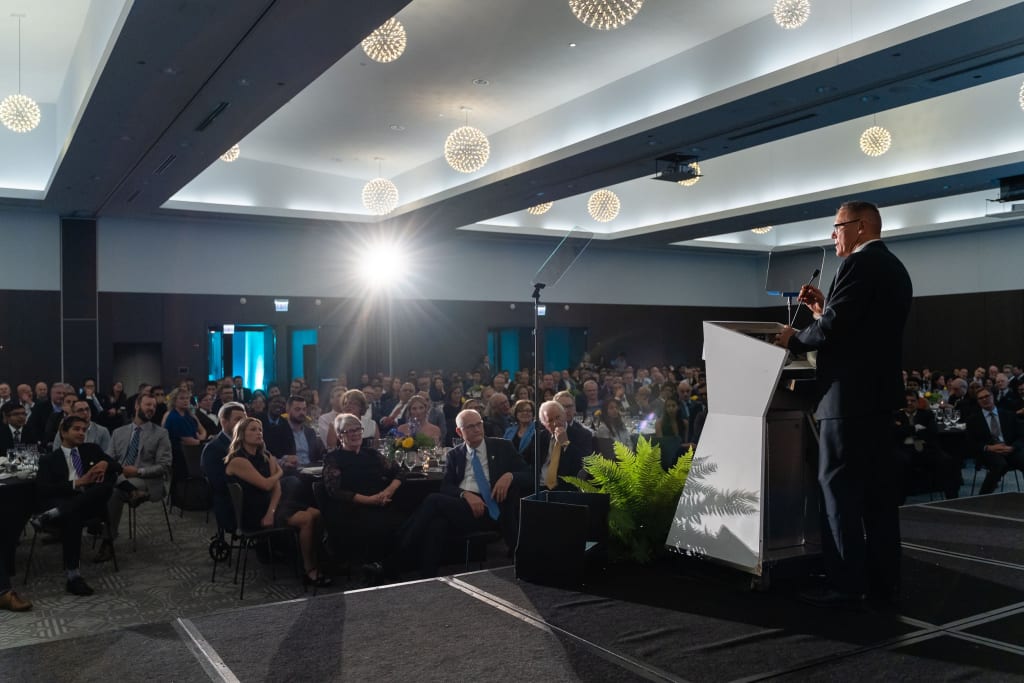
Corporate event photography plays an essential role in documenting business achievements, creating lasting memories, and enhancing a company’s brand image. By capturing the essence of an event, professional photographers can help companies showcase their corporate culture, network with potential clients, and build valuable marketing materials. However, to fully leverage corporate event photography, a strategic approach is essential.
1. The Importance of Professional Corporate Event Photography
Professional photography elevates the quality and professionalism of your event's visuals. Whether it’s a product launch, networking event, or annual conference, well-captured photographs help build a positive reputation and credibility. High-quality images showcase your company’s dedication to excellence and detail, reinforcing brand values and appealing to potential clients and partners.
Why Invest in Professional Photographers?
Using smartphone cameras or assigning an amateur photographer from within the company may seem cost-effective, but it rarely yields the desired results. Professional photographers have the expertise, equipment, and experience necessary to capture the key moments that align with your corporate goals. They understand lighting, composition, and event dynamics—elements that are crucial for making a powerful visual statement.
2. Pre-Event Planning: Setting Clear Goals
To maximize the impact of your corporate event photography, it’s critical to have a clear plan in place. Start by defining the objectives of the photo shoot. Ask yourself:
What is the primary purpose of the images?
Will they be used for internal reports, social media, marketing campaigns, or a company website?
Are there specific individuals or moments that must be captured?
Clear communication with the photographer about these goals will ensure that nothing is overlooked.
Creating a Shot List
A shot list is a must-have for corporate event photography. It guarantees that the photographer captures all the essential moments. This list might include:
- Keynote speakers and VIPs
- Audience reactions
- Networking moments
- Branding and sponsor displays
- Team interactions and candid shots
- Group photos
With a comprehensive shot list, you can ensure that the photographs align with the event’s messaging and branding goals.
3. Lighting and Venue Considerations
Lighting is one of the most critical elements in photography, and corporate events often present challenges in this regard. Event venues can have dim lighting or harsh spotlights that complicate the shooting process.
Natural vs. Artificial Lighting
If the event takes place during the day, leveraging natural light is ideal. Large windows and well-lit areas create soft, flattering lighting. However, many corporate events are held indoors or during evening hours. In such cases, make sure the photographer is equipped with professional lighting equipment to compensate for low-light conditions.
Understanding the Venue
Before the event, your photographer should scout the venue to assess lighting, angles, and layout. This enables them to plan their approach and identify the best spots for capturing standout moments. Make sure to discuss any branding elements or special installations that need to be highlighted.
4. Capturing the Corporate Brand and Culture
Corporate event photography is not just about taking random photos; it's about capturing the brand essence and the culture of the company. Whether formal or relaxed, the tone of the event should be reflected in the photographs.
Incorporating Branding Elements
Ensure that the photographer understands the importance of incorporating branding into the shots. This could mean focusing on:
- Event signage
- Branded merchandise
- Sponsor logos
- Product displays
These images can later be used in marketing campaigns, on websites, and social media to promote the company’s brand message.
Showcasing Company Culture
For internal use, such as recruitment efforts or employee engagement, corporate event photography can help communicate company culture. Capturing team dynamics, employee interactions, and behind-the-scenes moments can help potential hires or partners understand your company’s values and work environment.
5. Capturing Authentic and Candid Moments
While posed shots have their place, candid moments often convey a more authentic and engaging perspective of the event. These images feel more natural and can reveal the emotions and energy of attendees.
The Power of Candid Shots
Candid photos—like participants deep in conversation, a speaker’s genuine smile, or a spontaneous laugh—can tell the real story of your event. These moments make the images more relatable and engaging, which is especially beneficial for social media and public relations purposes.
6. Utilizing the Photos for Maximum Impact
Once the event has ended, the work doesn't stop. The photographs captured during your event should be used effectively to maximize their value.
Social Media and Online Platforms
Corporate Event Photographer are ideal content for social media platforms such as LinkedIn, Instagram, and Twitter. They provide a visual representation of your company’s activities and can enhance engagement. Post-event, create a series of posts showcasing the event highlights. Include behind-the-scenes photos and group shots to increase audience interaction.
Be sure to tag event attendees, speakers, and any sponsors to amplify reach. Also, consider creating an event-specific hashtag for all related content.
Company Website and Blog
High-quality event photos should also be used on your company’s website, particularly in sections like “News”, “About Us,” or a dedicated event page. These images not only serve as visual documentation of the event but also act as promotional material for your business.
For SEO benefits, make sure to add relevant alt-text and image descriptions. This improves your chances of ranking in image search results.
Marketing and Sales Materials
Well-curated event photographs are invaluable for creating polished marketing brochures, presentations, and sales decks. Whether you are pitching to a client or showcasing a past event’s success, these visuals strengthen your narrative.
7. Choosing the Right Photographer
To get the best possible photos, it's essential to choose the right photographer for your corporate event. Look for professionals who have experience in corporate settings and can provide a portfolio of past events.
Key Qualities to Look For
Experience with corporate events: Ensure the photographer understands the professional environment and corporate culture.
Technical skills: The ability to handle various lighting conditions and venue layouts is essential.
Personability: A photographer who can blend into the event and make attendees feel comfortable will capture more natural and engaging shots.
By hiring a photographer who aligns with your event's goals, you ensure that the final images reflect the professionalism and energy of your company.
About the Creator
andy
I am a passionate guest blogger who enjoys exploring and writing about a variety of topics. I aim to provide insightful and engaging content that resonates with readers.
The goals I did not achieve
Every writing goal I made for the year is a wash. It has been this way for a while, but I think it's important to be open about my failures and the reality of how life can get in the way. This is especially true considering the several times I have posted on Vocal about my writing goals, how I was changing my approach, and where I was hoping to be for the upcoming year. I will probably do that again in a couple months, but for now, it is time to acknowledge where I am today.
By Kay Husnick23 days ago in Journal
The Invisible Hand That Rules
In the heart of the city, there’s a building that no one notices. Its glass walls reflect the sun, its elevators glide silently, and its corridors smell of polished ambition. Decisions are made here that shape millions of lives, yet outside, the city breathes, unaware. The air hums with traffic, the chatter of cafes, the distant wail of sirens, and life moves on as though the building’s influence is nothing more than an echo.
By Jhon smith4 days ago in Journal



Comments
There are no comments for this story
Be the first to respond and start the conversation.