
How to get a SIM card in Thailand for Tourists
Your Easy Guide to Staying Connected in the Land of Smiles
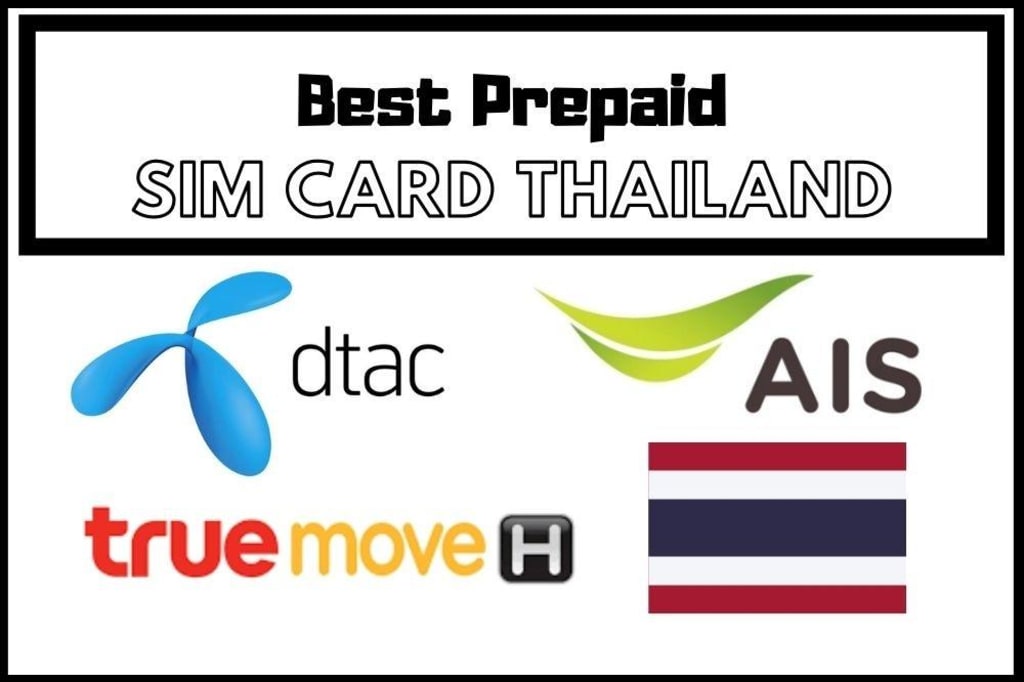
Staying connected is essential for any traveler, and figuring out how to get a SIM card in Thailand is often a top priority upon arrival. Fortunately, acquiring a physical SIM card in the Land of Smiles is a straightforward process. You can find them readily available at international airports like Suvarnabhumi (BKK) and Don Mueang (DMK) in Bangkok, as well as airports in Chiang Mai and Phuket. Beyond the airport, official stores of major providers and even convenience stores like 7-Eleven and FamilyMart stock tourist SIM cards.
This guide will walk you through everything you need to know about obtaining and using a physical SIM card during your Thai adventures.
I. How to Get a SIM Card in Thailand
The process of getting a physical SIM card in Thailand is generally quick and easy. Here’s a step-by-step guide:
Ensure Your Phone is Unlocked: Before you even think about purchasing a Thai SIM card, make sure your mobile phone is "unlocked." This means it's not restricted to use with only one carrier. If you bought your phone outright, it's likely unlocked. If it was part of a contract, you might need to contact your home provider to unlock it.
Locate a Vendor: As mentioned, SIM cards are widely available.
Airports: Upon arrival at major international airports, you'll find kiosks for the main mobile network operators in the arrivals hall. This is often the most convenient option to get connected immediately, though sometimes it might be slightly more expensive than buying in the city. Staff at these kiosks are usually proficient in English and can help you choose a plan and activate the SIM.
Official Provider Stores: AIS, TrueMove H, and dtac (which has merged with TrueMove H but may still have separate branding) are the primary mobile network operators in Thailand. They have official stores in most shopping malls and major urban areas. These stores offer a wider selection of plans, including potentially more cost-effective options than tourist-specific SIMs if you're staying longer.
Convenience Stores (7-Eleven, FamilyMart): These ubiquitous stores also sell SIM cards. While convenient, the selection might be more limited, and staff may not always be as familiar with the registration process or able to offer extensive advice on plans.
Online Pre-Order: Some travelers opt to pre-order a SIM card online through platforms like Klook, Amazon, or directly from provider websites, and then pick it up at the airport or have it delivered. This can save time upon arrival.
Present Your Passport: By Thai law, you must register your SIM card. This means you will need to present your original passport at the point of purchase, regardless of where you buy it. Some vendors might also ask for your arrival card or take a photo for the registration. Recently, Thailand has been moving towards biometric SIM registration to combat fraud, which may involve liveness detection technology during the registration process. Foreigners are generally limited to a certain number of SIM cards per provider (e.g., three SIMs per person per service provider).
Choose a Plan: Providers offer various prepaid "tourist SIM" packages specifically designed for travelers. These typically include a combination of data, local call minutes, and sometimes international call credits or free access to certain social media apps. Consider the duration of your stay and your expected data usage when selecting a plan.
Payment: You can usually pay with cash (Thai Baht) or a credit/debit card.
SIM Card Installation and Activation: The vendor will often assist you with inserting the SIM card into your phone and activating it. Activation is usually automatic upon insertion or may require dialing a short USSD code. They will typically give you back your old SIM card, sometimes taped to the new SIM card's packaging.
II. Approximate Price Range
The cost of a physical tourist SIM card in Thailand is generally affordable and offers good value. Prices vary depending on the provider, the amount of data included, the validity period, and any bundled extras like call credits or social media access.
Here's a general idea of what you might expect (prices are approximate and subject to change):
Short-Term Plans (e.g., 5-8 days): These often range from around 299 THB to 499 THB (approximately $8 - $14 USD). Packages can include a set amount of high-speed data (e.g., 15GB) or unlimited data (though often with a Fair Usage Policy that might reduce speed after a certain threshold). Some plans might also include a small amount of call credit.
Medium-Term Plans (e.g., 10-15 days): Expect to pay between 349 THB and 699 THB (approximately $9.50 - $20 USD). These usually offer more data (e.g., 30GB or unlimited) and may come with more call credits or other benefits.
Longer-Term Plans (e.g., 30 days): Prices can range from approximately 599 THB to 1199 THB (around $16 - $35 USD). These are suitable for extended stays and typically provide substantial data allowances (e.g., 50GB or unlimited) and call options.
Some providers might offer very cheap SIM cards with minimal data (e.g., 49 THB for 1GB for 1 day from AIS), but tourist packages are generally more comprehensive. It's worth noting that "unlimited data" plans often have a Fair Usage Policy (FUP), meaning that after you consume a certain amount of high-speed data, your internet speed might be reduced for the remainder of the validity period.
Always compare the latest offers from AIS, TrueMove H, and dtac, as promotions can change. You can usually find their current tourist SIM plans on their respective websites.
III. Important Notes When Buying a Physical SIM Card
Phone Compatibility: Ensure your phone is unlocked and compatible with Thai network frequencies. Thailand primarily uses GSM networks. Most modern smartphones are compatible. The SIM card will come in different sizes (standard, micro, nano) to fit various phones; vendors will provide the correct size.
Passport is Mandatory: Do not forget your passport, as it's a legal requirement for SIM card registration.
Compare Providers and Plans: The three main providers – AIS, TrueMove H, and dtac – all offer competitive tourist SIM packages.
AIS: Generally boasts the widest network coverage, especially in rural or remote areas. They often have a good reputation for network speed and reliability.
TrueMove H: Offers strong connectivity in urban areas and popular tourist spots. They often have plans with unlimited data. (Note: TrueMove H and dtac merged in 2023, but may still offer distinct products).
dtac: Known for competitive data plans and good coverage, particularly on islands in the south of Thailand.
The best choice can depend on your specific travel itinerary and data needs. In major cities, coverage differences are usually minimal.
Understand Package Details: Carefully check the data allowance (and any FUP for unlimited plans), call minutes (local and international, if included), SMS rates, and the validity period of the SIM card. Some plans offer free access to specific social media or messaging apps.
Airport vs. City Purchase: Buying at the airport is convenient for immediate connectivity. However, you might find slightly better deals or a wider variety of non-tourist specific plans (which could be cheaper for very long stays) at official provider stores in the city. That said, tourist SIMs are specifically designed for hassle-free short-term use.
Keep Your SIM Card Safe: Once you have your Thai SIM, store it securely. Also, keep your original home country SIM card in a safe place if you plan to use it again.
Data-Only SIMs: If you primarily need internet access and don't require local call capabilities, data-only SIMs might be available, though tourist packages usually bundle calls.
Topping Up: If you run out of credit or data, or if your initial validity period is shorter than your stay, you can top up your SIM card. This can usually be done at:
Convenience stores (7-Eleven, FamilyMart) by purchasing top-up vouchers or directly at the counter.
Official provider stores.
Online via the carrier's website or mobile app using a credit/debit card.
Dedicated top-up machines.
Topping up can extend the validity of your SIM card.
IV. How to Activate Your Physical SIM Card
The activation process for a physical tourist SIM card in Thailand is typically very straightforward:
At the Point of Purchase (Airport/Official Store): In most cases, especially when buying from an airport kiosk or an official provider store, the staff will activate the SIM card for you. They will insert the SIM into your phone, handle any necessary registration steps, and ensure it's working before you leave. This is the most hassle-free method.
Automatic Activation: For many prepaid SIM cards, activation is automatic once you insert the SIM card into your phone and turn it on (or restart it) in Thailand. You should receive a welcome SMS from the provider confirming activation and possibly detailing your plan.
USSD Codes: Some providers might require you to dial a specific USSD code to activate the SIM or a particular package. For example, AIS has mentioned dialing *545# to activate some SIMs. dtac users can often check their balance by dialing *101*9# and their number with *102*9#. The packaging of your SIM card or instructions from the vendor will usually provide these codes if needed.
Online/App Registration (Less Common for Initial Tourist SIM Activation): While some providers like TrueMove H offer app-based registration processes involving scanning barcodes and taking selfies, this is often for SIMs purchased online or for more complex registrations. For most on-the-spot tourist SIM purchases, the vendor handles activation. AIS also has an app-based process that can be used.
If you encounter any issues with activation, the staff at the place of purchase should be your first point of contact. If you bought it from a convenience store and are having trouble, visiting an official store of that provider is recommended.
While a physical SIM card offers a reliable and common way to stay connected, it's good to be aware that it's one of several options for how to get internet in Thailand. For instance, travelers with newer, compatible phones might explore the convenience of eSIMs, which can often be set up online before arrival. Alternatively, for those needing to connect multiple devices or traveling in groups, renting a pocket Wi-Fi device could be a practical choice. Public Wi-Fi in cafes and hotels can also supplement your connectivity needs, though it might not always offer the same level of security or consistent speed as a personal SIM or Wi-Fi hotspot. Considering these alternatives alongside your primary plan for a physical SIM can help ensure you have the best internet setup for your trip.
By following these guidelines, getting and using a physical SIM card in Thailand will be a breeze, keeping you connected to navigate, share your experiences, and make the most of your trip.
About the Creator
Author’s Advice
If you would’ve asked me 20 years ago did I know I’d become a writer and an author, I would’ve said “nope, ain’t happening”. As fate would have it I did become an author and I can honestly say I’m loving it so far. It really does feel good to be a writer. I’ve learned a lot on this journey and I feel like with even me being as new to this world as I am, there’s some wisdom I need to share with every other aspiring author.
By Joe Patterson4 days ago in Journal
A Transparent Look at Vocal Challenges and Top Stories
Almost three years ago, we shared a resource article that served as a place for people to suggest new challenge prompts. We thought it would be a good idea to refresh that thread, and take the opportunity to answer a few common questions about top stories, how challenges are judged and how submissions are reviewed.
By Vocal Curation Team3 days ago in Resources



Comments
There are no comments for this story
Be the first to respond and start the conversation.