
How to Experience the Best of Sri Lanka’s Wildlife Without the Crowds
Nature’s Wonders in the Paradise Isle
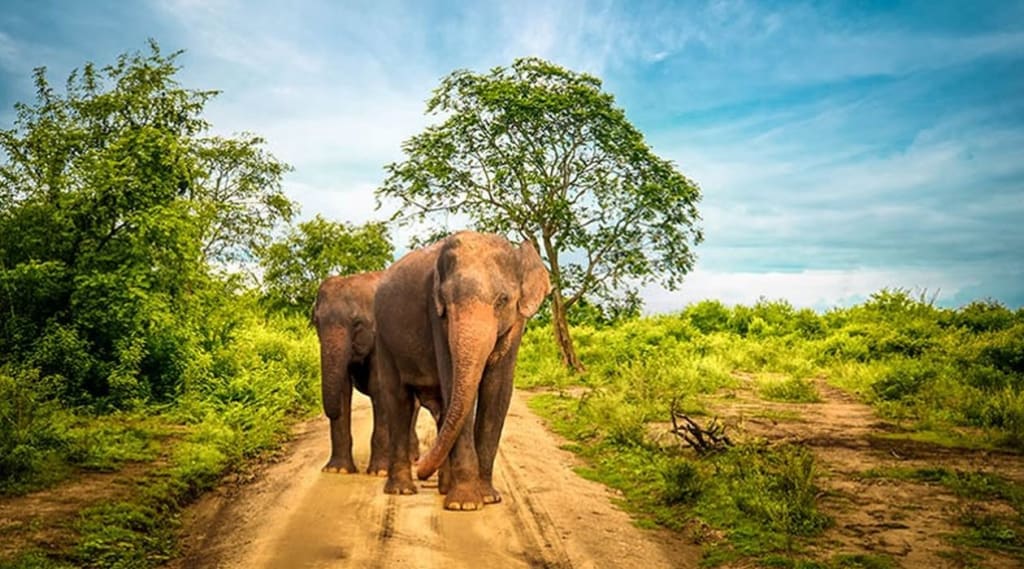
Sri Lanka is one of the best places in Asia for nature lovers. It has thick jungles, mountains, and beaches, and boasts some of Asia's finest biodiversity. Travellers can spot elephants, leopards, endemic birds, and so much more. The country also has several amazing national parks like Yala. Going on a safari is a good way to explore the wildlife and jungles better. However, if you don’t like crowds and want to go during off seasons, follow these suggestions:
Choose Less-Visited National Parks
Yala’s claim to fame is its large population of leopards. It is also the biggest wildlife park in Sri Lanka, situated in the South. However, Yala can get rather crowded. For a more peaceful safari experience, book Sri Lanka Tours to Wilpattu National Park in the northwest. With its lakes and dense forest cover, Wilpattu is not as touristy. It is just as rewarding if you want to catch sightings of leopard, sloth bear, and deer—without the bumper-to-bumper jeeps.
The Gal Oya National Park is another gem. Here, you can go on a boat safari in Senanayake Samudraya, Sri Lanka's largest reservoir. Watching elephants swim from one island to another is a magical experience you won’t find elsewhere.
Discover Hidden Elephant Sanctuaries
Elephants are Sri Lanka's most famous mammal. However, popular spots such as Minneriya can become overcrowded, as many people flock there to see "The Gathering". Visit Wasgamuwa National Park instead. This is a less populated reserve where large herds of elephants have freedom to roam. The park is full of birdlife and is more peaceful.
Kalawewa National Park is another option, since it has a large elephant population. These sanctuaries allow you to see Sri Lanka's gentle giants without having to deal with crowds.
Escape to the Highlands for Birdwatching
Sri Lanka is a paradise for bird watchers, and the central highlands offer seclusion with their misty landscape. Horton Plains National Park is a great place to spot endemic birds like the Sri Lanka blue magpie or the dull-blue flycatcher. Travellers can also enjoy the breathtaking scenery at World's End.
For a more peaceful alternative, visit Victoria Park or the Hakgala Botanical Gardens, both of which are fantastic for birdwatching without the crowds.
Go on a Guided Nature Walk
Not all experiences with wildlife need to involve a safari. In places like Sinharaja Rainforest, a World Heritage site, guided treks offer travellers the experience to touch, and not merely look at, flora, endangered frogs, and colourful butterflies. You can book Walkers Tours, for a quieter more immersive experience that allows for a closer connection with nature.
Similarly, treks through Knuckles Mountain Range provide glimpses of monkeys, wild boar, and even leopard, away from the crowds.
Explore Marine Life Beyond the Usual Spots
Whale watching in Mirissa is a popular activity, however overcrowding in boats can spoil the experience. If you want to see these marine giants in a more tranquil setting, head east to Kalpitiya or Trincomalee. Trincomalee offers a high chance of witnessing blue whale and dolphins, while Kalpitiya is famous for spinner dolphin pods.
Avoid visiting Hikkaduwa for diving and snorkelling and go to Pigeon Island National Park at Nilaveli instead. It is less crowded in spite of its popularity and has colourful coral and reef fish.
Stay in Eco-Lodges and Community-Managed Projects
The type of accommodation you choose also has an impact on your wildlife experience. Rather than settling on hotels near famous safari parks, consider eco-lodges, treehouses, or camps. These accommodations often include guided walks, birdwatching excursions, and even night-time safaris.
Community-based initiatives, such as village homestays near parks such as Udawalawe, provide an opportunity to understand conservation in the region and interact with wildlife more closely.
Travel Off-Season
When you visit is equally important. Visiting during the shoulder months—May to June or September to November—is when there are fewer tourists. There are usually rain showers during this time. However, the scenery is lush and the wildlife is more vibrant. Beaches and parks are not so crowded, giving you the chance to enjoy Sri Lanka's natural environment better.
About the Creator
Keep reading
More stories from Jeewanthi Armstrong and writers in Journal and other communities.
How to Craft Your Perfect Slow Travel Itinerary through Kandy’s Hill Country
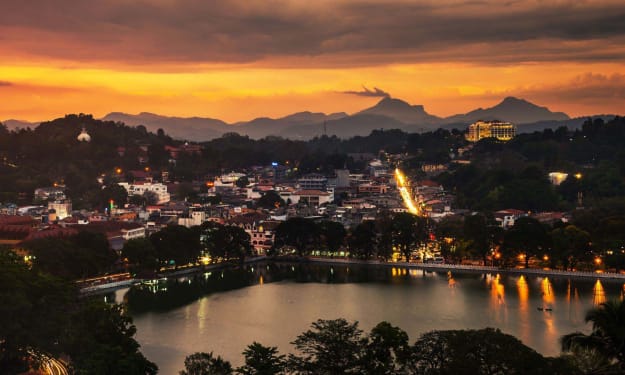
Kandy, Sri Lanka's cultural capital, is a mesmerising blend of history and breathtaking natural beauty, nestled amidst the emerald hills of the central highlands. This UNESCO World Heritage city served as the last capital of the ancient Sinhalese kings. From ancient temples to lush botanical gardens, a visit offers a rich tapestry of experiences. Exploring Kandy is a journey into Sri Lanka's soul, where you witness living traditions against a stunning backdrop.
By Jeewanthi Armstrong4 months ago in Journal
The goals I did not achieve
Every writing goal I made for the year is a wash. It has been this way for a while, but I think it's important to be open about my failures and the reality of how life can get in the way. This is especially true considering the several times I have posted on Vocal about my writing goals, how I was changing my approach, and where I was hoping to be for the upcoming year. I will probably do that again in a couple months, but for now, it is time to acknowledge where I am today.
By Kay Husnick24 days ago in Journal
The Invisible Hand That Rules
In the heart of the city, there’s a building that no one notices. Its glass walls reflect the sun, its elevators glide silently, and its corridors smell of polished ambition. Decisions are made here that shape millions of lives, yet outside, the city breathes, unaware. The air hums with traffic, the chatter of cafes, the distant wail of sirens, and life moves on as though the building’s influence is nothing more than an echo.
By Jhon smith5 days ago in Journal



Comments
There are no comments for this story
Be the first to respond and start the conversation.