
How to Experience Maldivian Culture
Beyond the Beaches
The Maldives is famous for its pristine beaches and luxurious overwater bungalows. Beyond tropical relaxation, a more rewarding experience involves understanding the island nation's rich culture and proud traditions. Maldivian culture is a fascinating blend of South Asian, Middle Eastern, and East African influences, shaped by centuries of seafaring and a deep connection to the ocean. To truly appreciate this destination, you need to engage with the local way of life.
Beyond the Resort: A Day Trip to a Local Island
To see the heart of Maldivian life, leaving the curated comfort of the tourist resorts for a few hours is highly recommended. Taking a ferry or speedboat to an inhabited local island provides an authentic look at daily routines. Visitors can stroll along the sandy streets, observe children playing, and witness the men heading out for their daily catch. Notice the distinctive coral-stone architecture of the older homes and the colourful, often practical, designs of the newer buildings. Spending time at a local hotea (coffee shop) is the perfect way to observe social life and interact with residents, offering a genuine glimpse into the nation's community spirit.
Savouring the Seas: Diving into Authentic Maldivian Cuisine
Maldivian food is a direct reflection of its geography, centring on three main ingredients: coconut, fish, and starches. The local diet is light, fresh, and surprisingly spicy. Start the day with a traditional Maldivian breakfast: Mas Huni. This dish consists of shredded tuna mixed with grated coconut, chilli, and onions, traditionally scooped up with roshi (flatbread). For lunch or dinner, try Garudhiya, a fragrant fish broth that forms the backbone of many meals, often served with rice, lime, and chilli. Exploring the culinary landscape is easy; guests staying at a top-tier Maldives Island resort or at a prominent resort like Saii Lagoon Maldives will find it an excellent starting point for this cultural and culinary exploration.
The Beat of the Drums: Exploring Bodu Beru Music and Dance
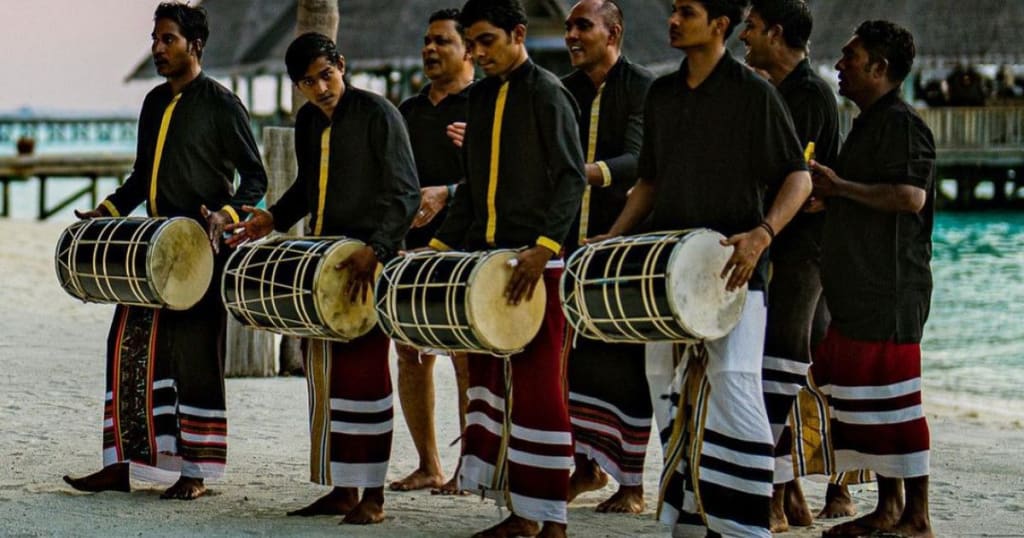
No Maldivian celebration is complete without the powerful, rhythmic sound of Bodu Beru, or 'Big Drums'. This traditional music and dance form originated centuries ago and is believed to have been introduced by African seafarers. A performance typically involves about 15 to 20 people, including four drummers and a lead singer, with everyone participating in the climactic, energetic dance. The beat starts slow, gradually building to a frenetic tempo that is impossible not to tap along to. Finding a local performance, perhaps during a national holiday or a local festival, is a visceral, unforgettable experience that connects visitors directly to the nation's festive spirit and history.
Hands-On Heritage: Traditional Crafts and Souvenir Shopping
The crafts of the Maldives are intrinsically linked to the materials available in the environment. Traditionally, men specialised in boat building and lacquer work (Laajehun), while women focused on intricate weaving. The brightly coloured, often geometric patterns on finely woven mats are particularly distinctive. When looking for genuine souvenirs, seek out pieces of coral-stone carving (now mostly made with eco-friendly alternatives), miniature dhonis (traditional boats), or pieces of beautifully lacquered wood boxes from islands like Thulhaadhoo. Purchasing from local artisans supports the continuation of these ancient skills.
Understanding the Faith: Respectful Engagement with Local Customs
The Maldives is a 100% Sunni Muslim nation, and religious principles are woven into the fabric of daily life and law. Visitors are encouraged to show respect for local customs, particularly when visiting inhabited islands or the capital city, Malé. This includes dressing modestly (covering shoulders and knees) when not at a designated tourist beach or resort. The call to prayer, heard five times a day, is a poignant part of the soundscape. Taking the time to understand the importance of Friday (the holy day) and observing the reverence shown to local mosques will deepen one’s appreciation for the Maldivian way of life and its foundation in strong communal and religious values.
A Glimpse of History: The Sultans, the Seas, and the Malé Landmarks
For centuries, the Maldives was an independent sultanate, strategically positioned along major Indian Ocean trade routes. The capital, Malé, holds several key historical landmarks that tell the story of this rich past. The Old Friday Mosque (Hukuru Miskiy), a stunning structure built of intricately carved coral stone, is a UNESCO World Heritage site and a testament to the nation’s architectural genius. Visiting the National Museum offers a look at artefacts from the Buddhist era, the Sultanate, and the modern republic. These historical sites provide the necessary context to truly appreciate the proud, resilient culture of the people who have carved a life out of these tiny, beautiful islands.
About the Creator
Keep reading
More stories from Jeewanthi Armstrong and writers in Journal and other communities.
How to Plan a Beach Wedding in Desaru
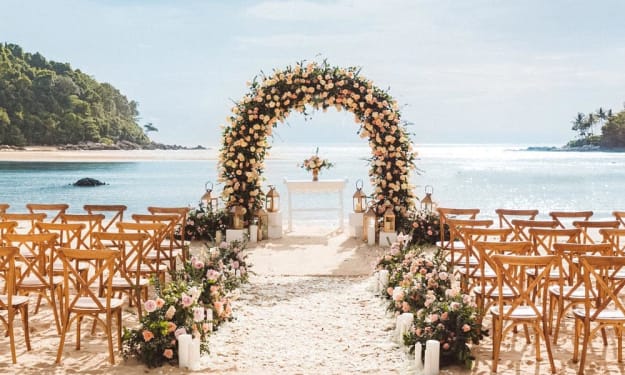
A wedding on the beach in Desaru is peaceful and boasts beautiful views of the sea and tropical breezes. If you think about every part of your event in a realistic way, it will be easier for you and your attendees. Now that you know this, let's talk about how to plan your wedding while keeping the weather and the comfort of your guests in mind.
By Jeewanthi Armstrong3 months ago in Journal
The goals I did not achieve
Every writing goal I made for the year is a wash. It has been this way for a while, but I think it's important to be open about my failures and the reality of how life can get in the way. This is especially true considering the several times I have posted on Vocal about my writing goals, how I was changing my approach, and where I was hoping to be for the upcoming year. I will probably do that again in a couple months, but for now, it is time to acknowledge where I am today.
By Kay Husnick16 days ago in Journal
If You Love Me, You'll Do It
I met Jason when I was five years old. I could say that I loved him from the moment I saw him. He was so handsome to me and I felt in awe by his presence. When they introduced him as the new kid in school, I wanted to be his friend right away. I remember it like it was yesterday. I remember his smile and how he didn't seem shy. He appeared confident and ready to learn. I waved at him and said "hello," before anyone else could even say a word. He sat next to me, and I asked him if he wanted to be friends. He looked so happy as he said, "Yes!"
By Sidney Smith (Sid Smith)6 days ago in Fiction



Comments
There are no comments for this story
Be the first to respond and start the conversation.