
How to experience a Traditional Tea Ceremony in Tokyo
A Step-by-Step Guide to Savoring Japan’s Timeless Ritual of Harmony and Respect
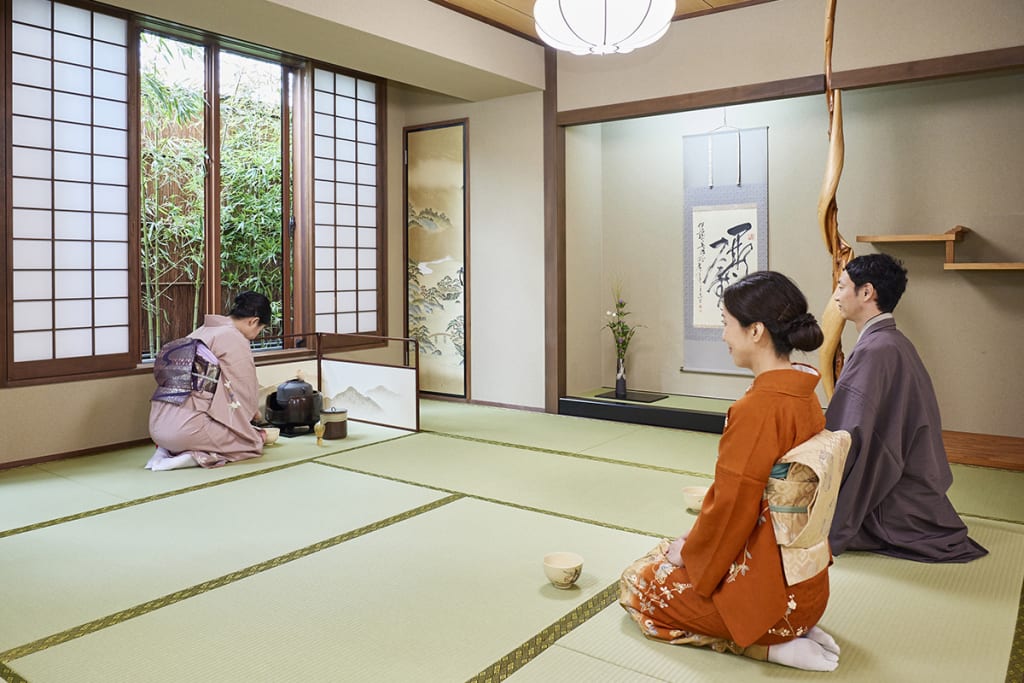
Japan is an amazing country, filled with ancient traditions, modern architecture and a hospitable people. It is a must-visit place for many travellers worldwide. The capital city of Japan, which is Tokyo follows suit in being a wonderful place to visit and enjoy. The city is known to seamlessly merge the ancient traditional side of Japan with its modern half, a feat achieved gracefully by a few. A traditional experience passed down through generations in Japan is the traditional tea ceremony. The ritual, which is rooted strongly in centuries of history, is not merely about one enjoying a cup of tea. This is an art that embodies the elements of harmony, respect, purity and tranquillity. It is also a sacred tradition that can be enjoyed with one’s kin.
What is a Japanese Tea Ceremony?
The Japanese tea ceremony, known as chanoyu, is a meticulously choreographed practice of preparing and serving matcha, a powdered version of green tea. Originating from Zen Buddhist traditions, this ceremony is a journey that focuses on being mindful and spiritual while keeping the act aesthetic and hospitable, as well as maintaining inner peace at all times. Every element, from the utensils used to the movements of the host, has a symbolic meaning, making it a deeply immersive cultural encounter. Tea ceremonies can vary in formality and length, ranging from a simple chakai ceremony (an informal gathering) to an elaborate chaji (a formal gathering) that can last for several hours and include a multi-course meal.
Experiencing a Tea Ceremony in Tokyo
There are many places in Tokyo where you can experience this beautiful ceremony, and Ginza is one of them. Ginza is well known for its elegant boutiques, Michelin-starred restaurants, and stylish hotels, making it an ideal place to experience both modern and traditional Japan. Several tea houses and cultural centres near the chic hotel lyf Ginza Tokyo offer authentic tea ceremony experiences that cater to both first-time visitors and those looking for a deeper understanding of Japanese traditions. There are many options to choose from, and it is best to do your research before committing to any single place. There are tea ceremonies accompanied by a full-course meal, there are tea ceremonies that can be covered with a live photoshoot, there are ceremonies where you dress in kimonos to mark the event, and there are simple ceremonies solely focused on providing a new experience, especially to the visitors.
What to Expect During a Tea Ceremony
If it’s your first time experiencing a traditional tea ceremony, you may wonder what to expect. While each tea house has its own unique setting, the general structure of the ceremony follows a few key stages:
1. Welcoming Ritual – Upon entering the tea room, guests purify their hands at a stone basin, symbolising the cleansing of the mind and body.
2. Seating & Observation – Guests are seated in a carefully arranged order and take a moment to appreciate the surroundings, the utensils, and the overall atmosphere.
3. Serving of Wagashi – Before the tea is prepared, a small traditional sweet known as wagashi is served to balance the bitterness of the matcha.
4. Preparation of Matcha – The host carefully measures the powdered green tea, adds hot water and whisks it using a bamboo whisk (chasen) until a frothy consistency is achieved.
5. Receiving & Drinking Tea—Guests bow in gratitude before receiving their tea bowl. Proper etiquette involves rotating the bowl slightly before sipping, ensuring that the most beautiful side faces outward.
6. Closing Ritual—The ceremony concludes with the cleaning of utensils and a final bow to show appreciation for the experience. After that, you can head back to your hotels in Ginza Tokyo.
Tea Ceremony Etiquette & Tips
To fully appreciate the tea ceremony, it’s essential to understand a few basic etiquette rules:
Dress Modestly: While you don’t need to wear a traditional kimono, avoid flashy or overly casual attire. If attending a formal ceremony, wearing subdued colours is recommended.
Be Mindful of Movements: The tea ceremony is a quiet, deliberate practice. Avoid abrupt movements or loud conversations.
Show Respect: Bow when entering and leaving the tea room, and handle the tea bowl with care.
Final Thoughts
Participating in a traditional tea ceremony in Tokyo is a beautiful way to connect with Japanese culture, even if just for an afternoon. It’s a meditative experience that contrasts with the city's fast-paced energy, offering a rare moment of stillness and reflection. Whether you choose an elaborate chaji at a historic tea house or a casual chakai near Ginza, this experience will leave you with a newfound appreciation for Japan’s meticulous attention to detail, hospitality, and deep-rooted traditions.
About the Creator
Keep reading
More stories from Jeewanthi Armstrong and writers in Journal and other communities.
How to Explore Top Attractions in Galle with Children
Galle, Sri Lanka, has the ideal fusion of natural beauty, historical charm, and family-friendly activities. For parents traveling with children, this coastal city provides a wonderful mix of educational experiences, outdoor fun, and luxury accommodations. Whether you're wandering through the Galle Fort, discovering marine life at a nearby aquarium, or simply relaxing in a luxurious retreat, there's something for every family in this picturesque corner of Sri Lanka.
By Jeewanthi Armstrong7 months ago in Journal
The goals I did not achieve
Every writing goal I made for the year is a wash. It has been this way for a while, but I think it's important to be open about my failures and the reality of how life can get in the way. This is especially true considering the several times I have posted on Vocal about my writing goals, how I was changing my approach, and where I was hoping to be for the upcoming year. I will probably do that again in a couple months, but for now, it is time to acknowledge where I am today.
By Kay Husnick16 days ago in Journal
How Enterprises Plan Mobile Products Beyond the MVP Stage
In enterprise mobile application development, the MVP is rarely where things go wrong. Most enterprise teams reach validation just fine. The problem begins after, when the app moves from a proof of concept into a long-lived product expected to support real users, evolving business processes, and growing organizational complexity.
By Quokka Labs5 days ago in Journal
The steps to losing a child
Step One: Lose a child. Not what anyone wants to happen and nothing you can do to change it, but you can go through steps to becoming happy again. You can go through steps to loving again. You can go through steps to become a new you because after losing a child you will never be the same person you once were.
By Tabitha Hinkley2 days ago in Fiction




Comments
There are no comments for this story
Be the first to respond and start the conversation.