
How to Exactly Measure The Dimensions of a Box
Dimension of a Box

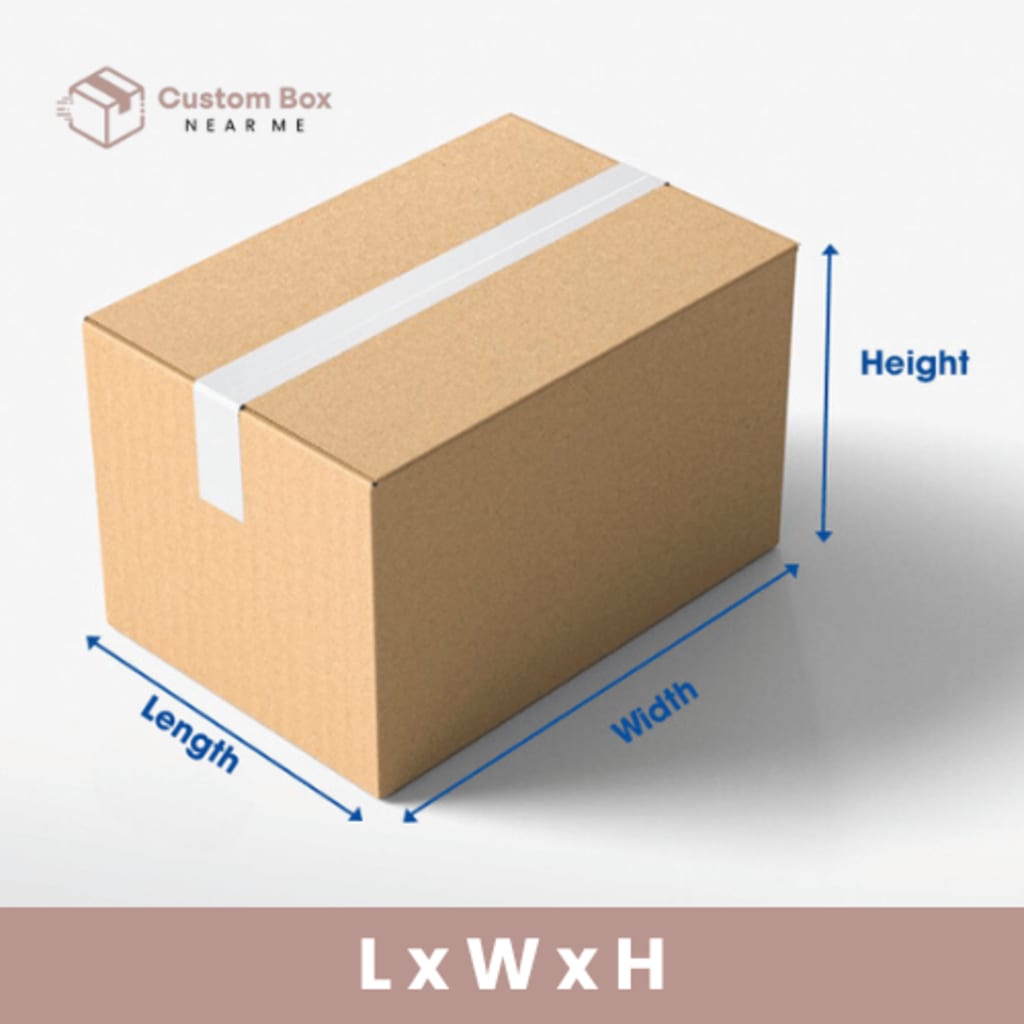
Measuring box size is a straightforward process! However, for custom packaging, accurate measurements are crucial to ensure product safety. While it’s not complex, paying close attention to detail when measuring a box for custom packaging is essential.
Box dimensions play a significant role in packaging, as they affect material requirements, production costs, and shipping and storage expenses. Less movement inside the box means reduced chances of damage and lower overall costs, making precise measurements essential.
To simplify this process, here is a clear step-by-step guide on measuring box dimensions, calculating volume, and understanding the importance of internal dimensions for accuracy.
The Three Dimensions of a Box
The first step in creating effective packaging is measuring the internal dimensions of the box—not the external ones. Using a ruler or tape measure, round each measurement to the nearest whole inch. Understanding the three key dimensions—length, width, and depth—is crucial.
Industry standards often interchange depth and height, but the order of dimensions remains consistent:
Length x Width x Depth (LxWxD)
or
Length x Width x Height (LxWxH).
Length: The longest side when viewing the top of the box.
Width: The shorter side when viewing the top of the box.
Depth (Height): The side perpendicular to the length and width.
For tall boxes, depth will be the most prominent measurement, whereas, for long boxes, depth and width will be smaller than the length. Regardless of the packaging type, knowing the exact dimensions before manufacturing is crucial.
Calculating the Volume of a Box
Once you have measured the length, width, and depth, the next step is to calculate volume. This helps in determining product fit, shipping, warehousing, and distribution efficiency.
Volume optimization is vital for material efficiency, cost reduction, and packaging strength. Use the formula below to calculate volume in cubic centimeters:
Length x Width x Depth = Volume
Although knowing which measurement corresponds to which dimension isn’t mandatory for the calculation, maintaining this habit prevents errors. If manual calculations seem challenging, online volume calculators can simplify the process.
The Importance of Internal Dimensions
While measuring box dimensions and volume is simple, one critical factor must be considered—using internal rather than external dimensions.
Standard packaging measurements rely on internal dimensions, ensuring an accurate fit for the product. Measuring the interior dimensions guarantees a better fit, secures the product, and minimizes movement inside the box, preventing potential damage during handling and shipping.
External measurements, on the other hand, do not account for the thickness of the packaging material. This is particularly significant for cardboard boxes, which feature a fluted layer between two paperboards. This thickness can add a few millimeters to each measurement, causing discrepancies if external dimensions are used.
Additional Considerations for Box Measurement
Aside from ensuring internal measurements, other factors should be kept in mind when selecting the right box dimensions:
Product Type: Fragile items may require extra space for cushioning materials, while compact items should fit snugly to prevent movement.
Shipping Efficiency: A well-measured box helps optimize transportation space, reducing shipping costs and environmental impact.
Storage Needs: If the product will be stored for an extended period, consider how the box dimensions impact warehouse organization and stacking ability.
Material Choice: The thickness and type of packaging material influence the overall size and durability of the box.
Common Mistakes When Measuring Boxes
Many packaging errors stem from incorrect measurements. Here are some common mistakes to avoid:
Measuring External Dimensions Instead of Internal: This leads to packaging that may not accommodate the product properly.
Rounding Measurements Too Much: While rounding to the nearest inch is useful, excessive rounding can lead to improper fits.
Ignoring Box Flaps and Closures: Failing to account for flaps can result in a box that doesn’t close properly or fit within shipping constraints.
Not Considering Product Expansion: Some products, such as fabrics or foam materials, may expand slightly and require additional space.
Choosing the Right Box for Your Needs
Different types of Custom packaging boxes are available based on size, structure, and intended use. Some of the most common include:
Regular Slotted Containers (RSCs): The most common box type, featuring flaps that meet in the middle when closed.
Die-Cut Boxes: Custom-designed boxes tailored to fit specific product shapes for a secure hold.
Folding Cartons: Used for lightweight products, these boxes are often seen in retail packaging.
Corrugated Boxes: Featuring fluted layers, these provide extra protection for fragile or heavy items.
Choosing the right box ensures not only a secure fit but also cost savings and enhanced presentation for your product.
Conclusion:
Now that you understand how to measure the length, width, and depth of a box, calculate volume, and why internal dimensions matter, you can apply these techniques to any packaging project with confidence.
Taking the time to measure properly helps in reducing waste, lowering costs, and ensuring the best possible packaging solution. If in doubt, consulting a packaging expert can provide additional guidance for achieving optimal results.
About the Creator
M Yawer Yousaf
Muhammad Yawer Yousaf is an SEO Specialist and Digital Marketer based in Lahore, Pakistan. With hands-on experience in on-page, off-page, local SEO and in content writing.
Keep reading
More stories from M Yawer Yousaf and writers in Journal and other communities.
Kraft Boxes: A complete Eco-Friendly Packaging Solution
Kraft packaging has completely transformed the packaging industry, proving itself as a durable, sustainable, and versatile option. Some may perceive Kraft boxes as plain and simple due to their brown color, associating them only with shipping purposes. However, this assumption couldn’t be further from the truth. Kraft paper boxes offer endless creative branding opportunities and are one of the most environmentally responsible packaging choices available.
By M Yawer Yousaf12 months ago in Journal
The Gels of My Life: A Ritual of Survival and Strength
Sitting here in Paris, watching the rain wash the city streets, I am struck by how much of our lives we spend trying to stay clean—not just on the outside, but within. The water hits the limestone buildings of this ancient city, and I think about the layers we apply to ourselves to withstand the weather of life. In a world of clinical solutions and quick fixes, I realized that my survival has been a series of rituals. I call them the "gels" of my life.
By Magma Star6 days ago in Journal



Comments
There are no comments for this story
Be the first to respond and start the conversation.