
How to Eat Like a Local in Koh Samui
Your Street Food and Market Guide
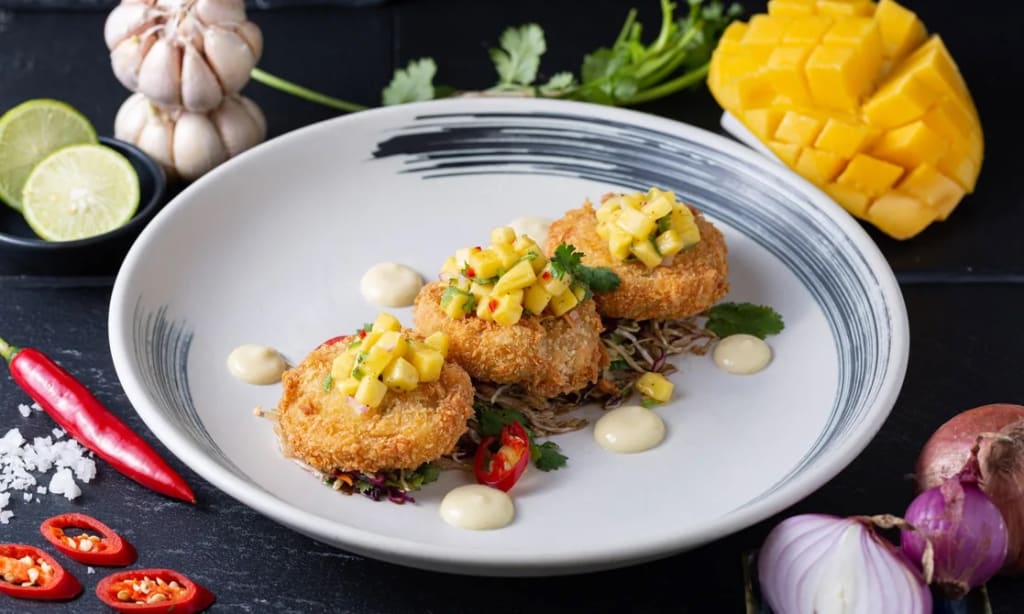
For those looking to enjoy an island getaway in one of the most visited countries in Asia, there is no better place than Koh Samui. The city is known for its food culture, which lives on its streets and in its markets. Eating like a local here means following daily routines, watching where people gather and trusting stalls that cook the same dishes every day. This guide looks at how to explore Koh Samui through food in the same way that the locals do.
Eating Habits and Food Routines
Staying at a hotel in Samui makes it easy to find various international foods. But the local eating habits follow a different way, and work, family and timing shape it. Meals are simple, frequent and usually enjoyed outside the home. Locals choose food that is freshly cooked, filling and familiar rather than elaborate and complex. If you are staying at a hotel like Avani Chaweng Samui, you will notice how food stalls appear early in the morning and again in the evening. Breakfast is practical and nourishing, while dinner is a social affair. Vendors know their regular customers and can prepare their favourite meals without being prompted.
Why Markets Matter More Than Restaurants
Markets are where everyday cooking happens in Koh Samui. They bring together all types of food, conversation as well as routine in one place. For travellers staying in Koh Samui, markets provide access to local dishes at fair prices and with little formality. Chaweng Walking Street, for example, is quite a popular place to begin. It is lively without feeling overwhelming for travellers and has a good mix of dishes like noodle soups, grilled meats, seafood and sweets. Stalls usually focus on one or two dishes, which often reflect years of repetition and confidence. Si Khao Night Market attracts a mostly local crowd. Seating is simple, food arrives quickly, and the focus is all about the flavour. Nathon Night Food Market serves residents from the port town and highlights southern Thai cooking, especially seafood and curries.
Southern Thai Flavours
Koh Samui’s food is a testament to the southern Thai roots where it was first conceived. These flavours are bold and direct, built around chillies, herbs, and turmeric, as well as a few sour notes. Coconut milk appears in a lot of the dishes, adding depth and balance. Gaeng som is one of the clearest expressions of this style of cooking. The broth is sharp and warming, usually cooked with fish and local vegetables. It is served as it is, without any major adjustment. Hor mok pla, on the other hand, has a softer texture, made from fish curry steamed in banana leaves. Kanom jeen is another everyday dish where fermented rice noodles are paired with different curries and fresh vegetables. Locals often eat this earlier in the day, making morning markets a good place to try it.
Street Food Dishes Locals Return to Daily
Some dishes appear again and again in many shops because they work. Grilled chicken with sticky rice is one of them. The chicken is marinated, grilled over charcoal and served with dipping sauces that balance sweetness and heat. Rice soup is common in the early hours because it is light, warm and comforting. The dish is also usually topped with minced pork, ginger and herbs. Khao ka moo, slow-cooked pork leg served with rice and pickled vegetables, is filling and widely available throughout the day. Sweet snacks also play an important role in the hierarchy of food. Roti pancakes are cooked fresh on hot plates in the evening, topped with banana, egg or condensed milk. Mango sticky rice appears when fruit is in season and highlights the island’s use of coconut milk.
Timing Your Visits
Timing makes a difference when eating locally. Morning markets open early and focus on breakfast foods and fresh ingredients. Visiting at this time shows how food supports daily routines. Late afternoon is quieter, with fewer stalls operating. Evening brings the busiest period, usually between six and nine. Night markets fill with people, and food is cooked quickly due to constant demand
About the Creator
Keep reading
More stories from Jeewanthi Armstrong and writers in Journal and other communities.
How Many Days in Phuket Is Enough? A Practical Travel Guide
Among the most visited Asian countries in the world, Thailand is ranked quite high, and among its many areas, Phuket is a must-visit. This island is quite large with many interesting sides to it. Beaches, towns, markets, viewpoints, as well as other islands in close proximity all shape the experience. This guide helps you work out a length of stay that feels comfortable and well-paced on your next visit to Phuket.
By Jeewanthi Armstrongabout 10 hours ago in Journal
Ramaphosa’s SONA 2026: A Nation at a Turning Point Amidst Challenges
South Africa’s President Charts a Course for Optimism and Action President Cyril Ramaphosa delivered his much-anticipated State of the Nation Address (SONA) on February 12, 2026, painting a picture of a nation at a crucial turning point. Against a backdrop of persistent challenges, Ramaphosa’s speech sought to inspire optimism, outlining government plans for the year ahead with a particular focus on tackling endemic crime and addressing critical water crises. This blog post delves into the key themes of SONA 2026, the public’s reaction, and the implications for South Africa’s political and social landscape.
By Omasanjuwa Ogharandukun3 days ago in Journal




Comments
There are no comments for this story
Be the first to respond and start the conversation.