
How to Choose the Right uPVC Door Handle for Your Home
uPVC Door Handle
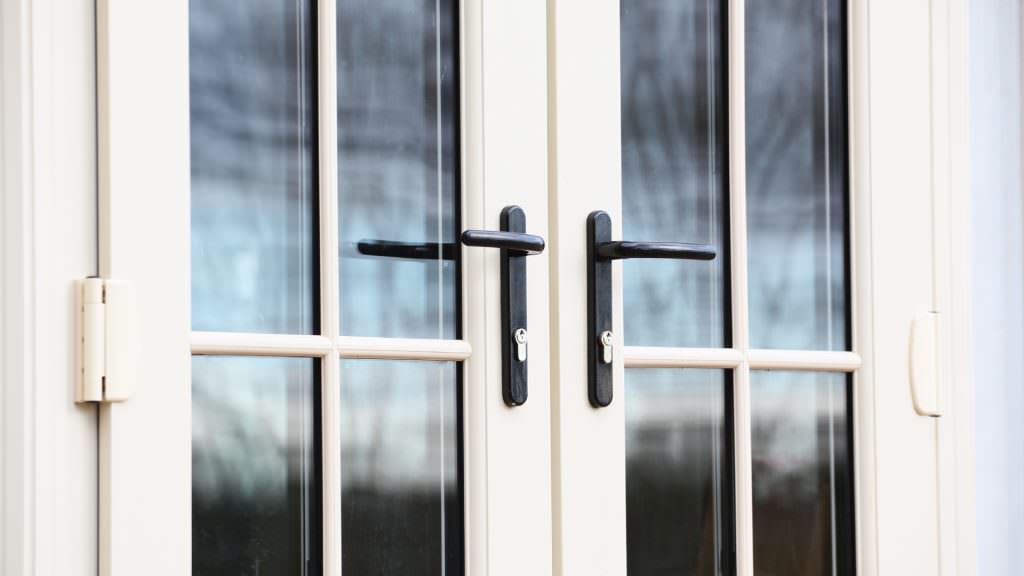
Door handles are often overlooked when planning a home renovation or upgrade, yet they play a vital role in both functionality and aesthetics. With uPVC doors becoming increasingly popular due to their durability, low maintenance, and energy efficiency.
Choosing the right uPVC door handle is essential to ensure your doors not only look great but also operate smoothly and securely. This guide walks you through everything you need to know — from style and finish to security features and installation considerations.
1. Understand What uPVC Door Handles Are
uPVC stands for unplasticized polyvinyl chloride — a rigid and weather-resistant material used for doors and windows. Unlike wooden or metal doors, uPVC doors require specific handles designed to interface with multi-point locking systems, ensuring tight seals against weather and intruders.
uPVC door handles are usually made from aluminum, zinc alloy, or steel, with a protective finish. Because uPVC is a contemporary material, the handle you choose should complement both modern and traditional architectural styles.
2. Determine Your Door’s Function
Before selecting a handle, identify the type of door and how it’s used:
Front Entrance Doors: High-use and must offer security first.
Back or Side Doors: Still require security but may emphasize convenience.
Patio or French Doors: May prioritize aesthetics and ease of operation.
Internal uPVC Doors: Often simpler, with less focus on high security.
Each of these applications might require a different type of handle — some with locks, some without.
3. Security Features Are Paramount
Security is often the most critical factor — especially for exterior doors. When choosing a handle, consider:
a. Locking Mechanism Compatibility
Most exterior uPVC doors use multi-point locking systems (MPLS), which engage multiple hooks or bolts. Ensure the handle you choose is compatible with your existing mechanism or plan to include a coordinated lock and handle set.
b. Keyed vs. Non-Keyed Handles
Keyed Handles: Provide an extra level of security. Ideal for front and side doors.
Non-Keyed Handles: Good for internal doors or in conjunction with a separate lock.
c. Anti-Pick & Anti-Bump Features
Some higher-end handles come with advanced cylinder technology that resists picking and bumping — two common break-in methods.
d. Reinforced Fixings
Handles with reinforced screws and backplates make it harder for intruders to force them off.
Security should always be rated and, if possible, tested to relevant standards (e.g., British or European security ratings where applicable).
4. Material and Finish: Durability Meets Design
uPVC handles are often exposed to weather and frequent use, so material and finish matter:
a. Common Materials
Aluminum: Lightweight and rust-resistant.
Zinc Alloy: Strong and versatile, often used in higher-quality handles.
Steel: Very strong but must be properly finished to avoid corrosion.
b. Finishes
Finishes don’t just influence look — they affect durability, too. Popular finishes include:
Polished Chrome: Sleek and modern; resists corrosion.
Satin or Brushed Chrome: Hides fingerprints; softer sheen.
Black or Matt Black: Popular for contemporary homes.
Gold or Brass: Elegant choice for traditional designs.
White or Beige: Blends with lighter uPVC frames.
When choosing a finish, consider your door color and overall home aesthetic.
5. Ergonomics and Comfort of Use
Door handles aren’t just about looks and security — they should feel good in your hand and be easy to operate:
Lever Handles: Easy to grip and operate — ideal for all ages.
D-Handles or Pull Handles: Great for large patio doors.
Knobs: Less common on uPVC but suitable for internal doors.
Try to test handles in person if possible, as size, shape, and grip comfort vary widely.
6. Matching With Other Hardware
Consistency contributes to a cohesive home design. When choosing your door handle:
Coordinate with window handles if they are visible.
Match with hinges, letterboxes, knockers, and house numbers.
Consider the interior knobs or levers on matched internal doors.
A unified theme — whether modern minimalist or classic traditional — enhances the overall look of your home.
7. Right Size and Fitment
Not all door handles are universal. Before buying, measure:
Backset: Distance from the edge of the door to the center of the handle spindle.
Handle Height: Ensure it aligns with existing cutouts if replacing.
Spindle Size and Type: Check compatibility with your locking mechanism.
If you’re upgrading a current door, bring existing measurements or the old handle when shopping.
8. Budget Considerations
uPVC door handles come in a wide price range. While it can be tempting to choose the cheapest option, remember:
Low-cost handles may wear faster, feel cheap, and offer less security.
Mid-range handles often provide a great balance of durability and style.
Premium handles offer advanced security features, superior materials, and designer finishes.
Investing in a quality handle means fewer repairs and better long-term performance.
9. Installation: DIY or Professional?
Many uPVC door handles can be installed DIY if you’re comfortable with tools and measuring accurately. However:
A misaligned handle can cause the locking mechanism to fail.
Exterior locks benefit from professional installation for optimal security.
Many manufacturers offer warranty only if professionally fitted.
If unsure, it’s worth hiring a professional installer.
10. Maintenance and Longevity
One of the advantages of uPVC is low maintenance — but handles still need care:
Regular Cleaning: Wipe with a damp cloth and mild detergent.
Lubrication: Apply a light spray lubricant to moving parts once or twice a year.
Check Screws: Tighten any loose fixings regularly.
Avoid abrasive cleaners that can damage finish.
11. Special Considerations
a. Accessibility Needs
If someone in your home has limited hand strength or dexterity, choose ergonomic levers or D-shaped handles.
b. Climate and Exposure
In coastal or high humidity areas, look for corrosion-resistant finishes.
c. Child-Safety
If children are around, consider handles that minimize accidental opening or allow adult-only locking.
Conclusion
Choosing the right uPVC door handle is about more than picking a pretty piece of hardware. It’s about balancing security, functionality, durability, and style to enhance your home’s appearance and performance.
By understanding your needs — from exterior security to interior comfort — and considering factors like material, finish, ergonomic design, and installation, you’ll select a handle that looks great and operates reliably for years.
Whether renovating your home or simply updating aging hardware, the right uPVC door handle is a small detail that makes a big impact.
About the Creator
Keep reading
More stories from Addison Jons and writers in Journal and other communities.
Insurance Policy Limit Lookup: Legal and Practical Considerations
In an increasingly litigious and risk-averse society, understanding the limits of your insurance coverage is more critical than ever. Whether you are a homeowner, a driver, a business owner, or a professional offering services, insurance protects against the financial impact of unanticipated events like accidents, injuries, lawsuits, or property loss.
By Addison Jons11 days ago in Journal
~ Fired ~
— Ai Intrusion ~ Are you Next ~ Is Ai Evolution after your job? — Few workplaces haven't been affected. Ai is in supermarkets, at doctors' offices, and even monitoring farms. I just can't think of anything this machine is not getting into, can you? For instance: Education ~ Law and Tech jobs will one day have a major influence or be taken over by these inanimate machines, with accuracy and vigor. From mechanics' diagnoses to a wide variety of everyday jobs, including fast food workers, with this input having the ability to cut their unnecessary work hours. I'm certain all of us have been touched by this with our short stories and colorful headings, have you? Even comments are very questionable 'Non-Robot' insertions.
By Jay Kantor7 days ago in Journal
Dream Journal Entry Three
Dream Journaling: Unlock the Hidden World Within Every night, you journey to a realm where the impossible becomes real, where you fly without wings, converse with strangers who feel like old friends, and experience emotions more vivid than waking life itself. Yet by morning, these extraordinary adventures fade like mist in sunlight, leaving only fragments—or nothing at all.
By Parsley Rose 7 days ago in Journal




Comments
There are no comments for this story
Be the first to respond and start the conversation.