
How to Choose the Right Karat for Your Custom Gold Necklace
A Complete Guide to Selecting the Perfect Gold Purity for Your Custom Necklace

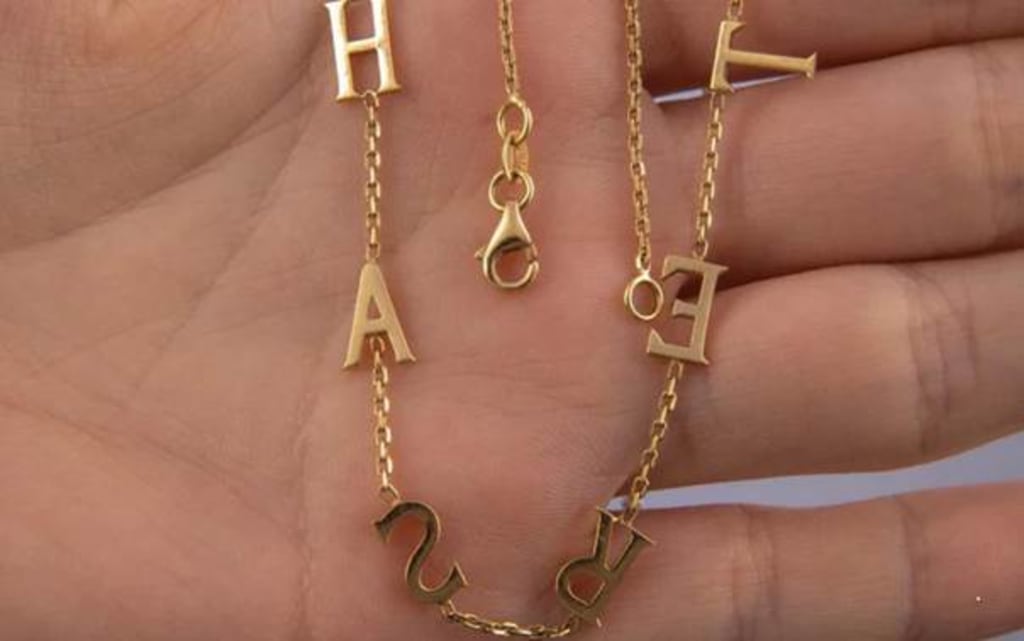
When designing a custom gold necklace, one of the most critical decisions you'll face is selecting the right karat. The karat of gold determines not only the necklace’s appearance but also its durability, value, and suitability for the recipient’s lifestyle. With options ranging from 10K to 24K, each choice carries unique characteristics that can make or break the perfect gift. For those crafting a bespoke piece—whether for a loved one’s birthday, an anniversary, or a personal treat—this guide will walk you through the essentials of choosing the ideal gold karat, ensuring your custom necklace shines as both a thoughtful and practical gift.
Understanding Gold Karats: The Basics
Before diving into the decision-making process, let’s clarify what a karat represents. A karat (not to be confused with “carat,” which measures gemstone weight) indicates the purity of gold in a piece of jewelry. Pure gold is 24 karats, meaning it’s 100% gold with no alloys. However, pure gold is soft, so it’s often mixed with metals like copper, silver, or zinc to enhance strength. The karat scale reflects the proportion of gold to alloys:
24K: 99.9% pure gold
22K: 91.7% gold (22 parts gold, 2 parts alloy)
18K: 75% gold (18 parts gold, 6 parts alloy)
14K: 58.3% gold (14 parts gold, 10 parts alloy)
10K: 41.7% gold (10 parts gold, 14 parts alloy)
Lower karat gold is more durable but less pure, while higher karat gold is richer in color but softer. Understanding this spectrum is key to choosing a necklace that balances aesthetics, functionality, and budget.
Consider the Recipient’s Lifestyle
The right karat depends heavily on how the necklace will be worn. If you’re designing a gift for someone with an active lifestyle—say, a fitness enthusiast or a busy professional who rarely takes off their jewelry—durability is paramount. Lower karat options like 10K or 14K are ideal here. These alloys are tougher due to their higher proportion of stronger metals, making them resistant to scratches, dents, or bending during daily wear.
For example, a 14K gold necklace can withstand the rigors of commuting, exercising, or even accidental tugs from a child or pet. It’s a practical choice for a gift meant for everyday use, like a minimalist chain for a pendant they’ll never remove. According to jewelry industry data, 14K gold is the most popular choice in the U.S. for its balance of durability and rich gold appearance, making it a safe bet for active recipients.
Conversely, if the necklace is for special occasions—think elegant evening wear or milestone celebrations—higher karat gold like 18K or 22K offers a luxurious glow. These pieces are often reserved for delicate designs, like intricate filigree or heirloom-style necklaces, worn sparingly to preserve their pristine condition. If your gift is for someone who treasures high-end aesthetics, such as a collector or fashion aficionado, the richer hue of 18K gold might be the perfect fit.
Aesthetic Preferences: Color and Shine
Gold’s karat affects its visual appeal, which is a critical factor when designing a custom necklace. Higher karat gold (18K and above) boasts a deep, warm yellow that screams luxury. This rich tone is ideal for statement pieces, like a bold choker or a necklace with intricate engravings, where the gold’s color takes center stage.
Lower karat gold, like 10K or 14K, has a lighter, more subdued hue due to the alloy content. This can be a plus for subtle, modern designs or for recipients who prefer a less intense gold tone. Additionally, gold can be alloyed to create variations like white gold (mixed with palladium or nickel) or rose gold (mixed with copper), which are available across karat ranges. For instance, a 14K rose gold necklace offers a trendy, romantic blush that’s perfect for a Valentine’s Day gift.
When brainstorming gift ideas, consider the recipient’s style. Do they gravitate toward vibrant, eye-catching jewelry or understated elegance? A fashion-forward friend might love an 18K yellow gold chain with a dramatic pendant, while a minimalist might prefer a 14K white gold necklace with clean lines. Matching the karat’s visual impact to their aesthetic ensures the gift feels personal.
Budget and Value Considerations
Gold karat directly influences cost. Higher karat gold contains more pure gold, making it pricier. For gift-givers working within a budget, 10K or 14K gold offers an affordable entry point without sacrificing quality. These options allow you to invest in thoughtful design elements—like custom engravings or unique clasps—while keeping costs manageable.
For those with a higher budget, 18K gold strikes a balance between luxury and practicality, offering a premium look without the fragility of 24K. While 24K gold is the most valuable in terms of raw material, its softness makes it impractical for most necklaces, as it’s prone to scratching or deforming. Jewelers rarely recommend 24K for everyday jewelry, reserving it for rare, ornamental pieces.
Consider long-term value as well. A well-crafted 14K or 18K necklace retains value better than costume jewelry and can become a cherished heirloom. If you’re gifting for a milestone, like a 25th anniversary, investing in a higher karat might symbolize the enduring nature of the occasion.
Allergies and Skin Sensitivity
Skin sensitivity is a practical concern when choosing a karat. Higher karat gold (18K and above) is hypoallergenic due to its high gold content and minimal alloys, making it ideal for recipients with sensitive skin. Lower karat gold, like 10K, contains more alloys, which may include nickel—a common allergen. According to dermatological studies, about 10-15% of people have nickel sensitivities, which can cause irritation or rashes.
If you’re unsure about the recipient’s sensitivities, opt for 18K gold or choose white gold with palladium (nickel-free) alloys. For example, a custom 18K white gold necklace with a birthstone pendant could be a safe, elegant gift for someone prone to reactions. When consulting with a jeweler, like those at Fiyonk Jewelry, inquire about alloy compositions to ensure the necklace is skin-friendly.
Maintenance and Longevity
Maintenance is another factor to weigh. Lower karat gold (10K or 14K) is more resistant to wear and tear, requiring less upkeep. These necklaces can handle occasional cleaning with mild soap and water, maintaining their shine with minimal effort. This makes them ideal for gifts meant for daily wear, like a simple chain for a teenager or a working parent.
Higher karat gold (18K and above) demands more care due to its softness. It’s more susceptible to scratches and may need professional polishing to restore its luster. If your gift is for someone who treats jewelry with care—perhaps storing it in a lined box when not in use—18K is a stunning choice. Include care instructions with the gift to ensure its longevity, such as avoiding exposure to chemicals like perfume or chlorine.
Matching the Occasion and Sentiment
The occasion can guide your karat choice. For significant milestones, like engagements or anniversaries, 18K gold conveys a sense of grandeur and commitment. A custom 18K gold necklace with a heart-shaped locket, for instance, could be a romantic anniversary gift that screams devotion.
For more casual occasions, like birthdays or graduations, 14K gold offers versatility and durability without overwhelming the gesture. A 14K gold chain with a personalized initial pendant could be a thoughtful gift for a young adult starting a new chapter. If the necklace is a “just because” gift, consider the recipient’s daily routine and style to decide between practicality (14K) or luxury (18K).
Consulting with a Jeweler
Designing a custom necklace involves collaboration with a skilled jeweler. They can guide you through karat options, showing samples to compare color and discussing alloy choices for durability or allergies. Many jewelers offer digital renderings, letting you visualize the necklace before it’s crafted. This process ensures the karat aligns with both your vision and the recipient’s needs.
Conclusion: Crafting a Thoughtful Choice
Choosing the right karat for a custom gold necklace is about balancing aesthetics, durability, budget, and the recipient’s lifestyle. Whether you opt for the resilient 14K for everyday wear or the luxurious 18K for special moments, the karat you choose shapes the necklace’s story. By considering the recipient’s style, skin sensitivities, and the occasion, you can create a gift that’s as meaningful as it is beautiful. For those seeking a truly bespoke experience, working with artisans ensures your vision comes to life, delivering a necklace that’s worn with pride and cherished for years.
About the Creator
Keep reading
More stories from Daily Blog and writers in Journal and other communities.
Mastering SEO in Dubai: Strategies for Dominating the Digital Marketplace
The digital age has dictated a new arena for businesses to compete and flourish. Dubbed as the City of Gold, Dubai has transformed into a bustling metropolis known not just for its opulent lifestyle and towering skyscrapers but also for being a hub of innovation and digital marketing prowess. The virtual marketplace in Dubai is fiercely competitive, and mastering the art of SEO in Dubai is crucial for any business aiming to rise above its competitors. This article delves into the strategies that can propel businesses to dominate the digital landscape in this vibrant city.
By Daily Blog7 months ago in Journal
Author’s Advice
If you would’ve asked me 20 years ago did I know I’d become a writer and an author, I would’ve said “nope, ain’t happening”. As fate would have it I did become an author and I can honestly say I’m loving it so far. It really does feel good to be a writer. I’ve learned a lot on this journey and I feel like with even me being as new to this world as I am, there’s some wisdom I need to share with every other aspiring author.
By Joe Patterson4 days ago in Journal




Comments
There are no comments for this story
Be the first to respond and start the conversation.