
How to Choose the Best Tension Fabric Backdrop for Your Events
A complete guide to durability, design, and setup that makes your brand stand out every time

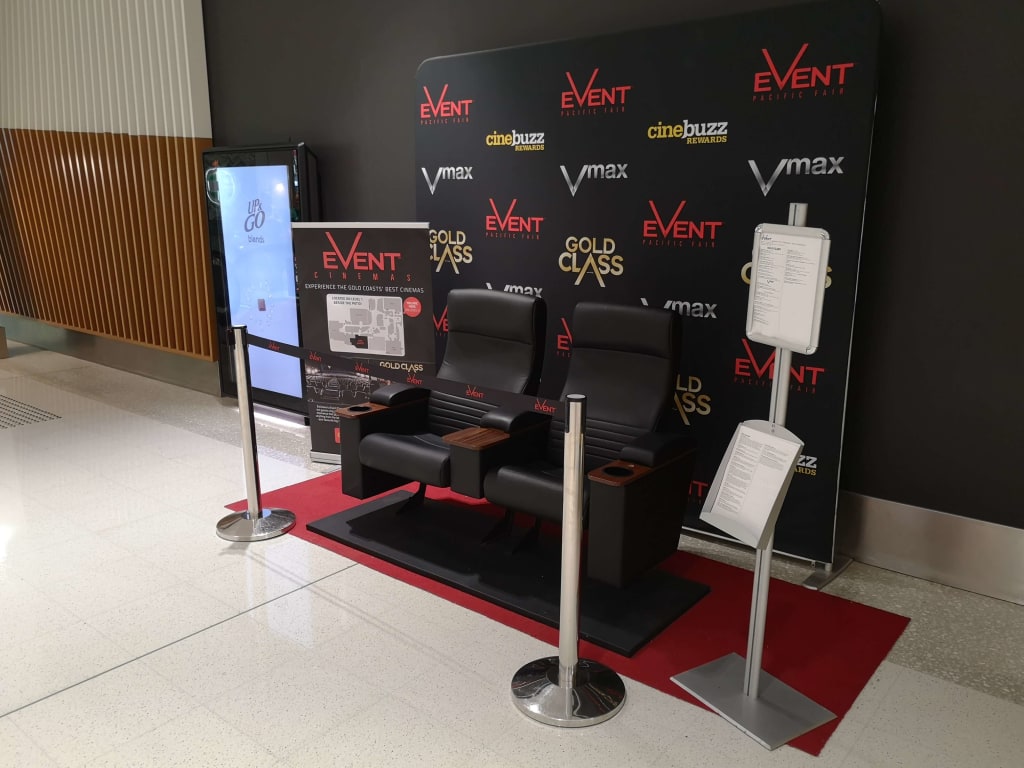
If you want to choose the best tension fabric backdrop, focus on what matters most—durability, design, and how easy it is to set up. Look for strong materials that last and designs that stand out. A great design will catch attention and make your brand more visible at any event. You can even customize your backdrop to match your style, which helps people remember your brand. Pick a backdrop that works for you and makes setup simple every time.
Key Takeaways
• Focus on durability, design, and ease of setup when choosing a tension fabric backdrop. A strong backdrop enhances your brand's visibility at events.
• Select the right size and shape for your backdrop based on your event's needs. Measure your space to ensure a perfect fit that captures attention.
• Use bold colors and clear fonts in your design. This makes your message stand out and ensures readability from a distance.
• Prioritize quality materials for longevity. Look for reinforced corners and strong frames to withstand frequent use and transport.
• Set a budget before shopping. This helps you find the best options that balance quality and cost, ensuring you get great value.
What Is a Tension Fabric Backdrop?
A tension fabric display is a modern display that you often see at trade shows, conferences, and photo booths. You get a lightweight frame and a stretchable fabric cover that fits tightly over it. This setup gives you a smooth, professional look every time. If you want your brand or message to stand out, a tension fabric backdrop makes it easy.
Key Features
You will notice several features that set a tension fabric backdrop apart from other displays:
• Most backdrops use stretch polyester fabric. This material resists tearing and keeps its shape.
• The frame is usually made from aluminum. It feels light but stays strong, even after many uses.
• You can break down the frame and pack it into a small carrying case. This makes travel and storage simple.
Main Benefits
When you choose a tension fabric backdrop, you get more than just a pretty background. Here’s why people love them:
• You can set up the display by yourself. The frame clicks together, and the fabric slips on in seconds.
• The whole system is lightweight. You can carry it through airports or hotels without a struggle.
• The fabric is fire-safe and wrinkle-free, so you never worry about safety or appearance.
• You can use the same frame for different events. Just change the fabric cover to match your new theme.
Tip: Tension fabric backdrops last a long time. They handle frequent setup and takedown without damage, so you get great value for your money.
Choosing Your Backdrop
Define Goals & Audience
Before you pick a tension fabric backdrop, think about your event goals and who will see your display. Are you trying to boost brand awareness, launch a new product, or create a photo opportunity? Your purpose shapes your design choices. If you want maximum visibility, a step-and-repeat pattern works well for logos and branding.
You also need to consider the type of event and how people will interact with your backdrop. For trade shows, you want something that stands out in open spaces and grabs attention from all angles. If your event space has bright lights, fabric backdrops help reduce glare and keep your graphics looking sharp. You should also think about how often you’ll use the display. If you plan to attend many events, invest in a durable option that can handle frequent setup and takedown.
Here’s a quick guide to help you define your goals and audience:
Tip: When you know your goals and audience, you can create a display that connects with people and supports your brand.
Size & Shape
The size and shape of your backdrop make a big difference in how your display looks and works. You want a backdrop that fits your space and matches your event’s needs. If you’re setting up for group photos, choose a wide display. For portrait shots or smaller booths, a compact shape works better.
Think about the available space at your venue. Measure the area before you order. You don’t want a backdrop that’s too big and blocks walkways, or too small and gets lost in the crowd. The visual style of your event also matters. Curved shapes can add a modern touch, while straight edges look classic and professional.
Here’s a table to help you decide:
• Measure your space before ordering.
• Think about how people will interact with your display.
• Choose a shape that fits your brand’s personality.
Design & Readability
Your design is what grabs attention and keeps people interested. You want bold colors and dynamic graphics that stand out but don’t overwhelm. Use high-resolution images that connect with your audience and reinforce your message. Make sure your theme is consistent across colors, graphics, and text.
Readability is key, especially in large venues. Use big, clear fonts so people can read your message from a distance. Here’s a quick guide for font sizes:
You should also use strong contrast between text and background. This helps your message pop and makes it easy to read. If you want to engage your audience even more, add interactive elements like digital screens or QR codes.
Here are some design elements that boost engagement:
Note: A well-designed tension fabric backdrop can turn heads and make your brand unforgettable.
Durability & Quality
Construction Details
When you look for a tension fabric backdrop, you want something that lasts. The best ones use strong materials and smart designs. Most backdrops feature a frame made from lightweight aluminum. This metal feels light in your hands, but it stands up to bumps and repeated use. The fabric cover usually combines polyester and spandex. This mix gives you a stretchy, flexible surface that fits tightly and looks smooth.
Some high-end options use two layers of PVC and a layer of high-strength mesh fabric. You might see extra layers, like an ink-jet adsorption layer, an anti-ultraviolet white layer, an anti-mildew layer, and a fiber layer. These layers help your backdrop resist fading, mold, and wear. Thickness ranges from 19 to 23 mil, so you get a sturdy feel without extra weight.
Tip: Always check for reinforced corners and seams. These spots handle the most stress during setup and takedown.
Testing Standards
You want your display to meet tough standards. Industry guidelines help you compare quality. Here’s a quick table showing what to look for:
Manufacturers test for strength, fire safety, and UV protection. These tests make sure your backdrop stands up to bright lights, outdoor use, and busy events. If you plan to use your display outside, wind load tolerance matters. You don’t want your backdrop to tip over in strong winds.
Common problems show up in product reviews. You might see muted colors, frames that bend, or prints that fade. Sometimes, assembly takes too long or the backdrop needs lots of care. Look for brands that solve these issues with better materials and smart engineering.
Note: A quality tension fabric backdrop keeps its color, shape, and strength, even after many events.
Comparing Options
Feature Comparison
When you start shopping, you will see many brands offering tension fabric backdrops. Some of the top-rated US brands include:
• Exhibit Systems
• Displays2go
• Testrite Visual
• Trade Show Plus
Each brand brings something different to the table. You might notice that pillowcase-style backdrops get a lot of love from customers. People say they feel easier to use and look more polished than vinyl step-and-repeat walls. In fact, customer satisfaction jumps by 35% when you pick a pillowcase tension fabric backdrop over vinyl.
Tip: If you want a backdrop that stands out and saves you time, look for brands with high marks for design and setup.
Pros & Cons
Every option has its ups and downs. You want to weigh these before you buy.
Pros:
• Quick setup means you spend less time building and more time connecting with people.
• Lightweight frames make travel and storage simple.
• You can swap out prints for new events without buying a whole new frame.
• Customer service teams from top brands help you solve problems fast.
Cons:
• Some brands cost more, especially for custom designs.
• Not all brands offer the same level of print vibrancy.
• If you pick a low-quality frame, you might see bending or loose fabric over time.
You can make the best choice by thinking about what matters most to you. Do you want the brightest colors? Is fast setup your top priority? Take a close look at each brand’s strengths before you decide.
Specs & Performance
Fabric & Print
When you look at the fabric for your tension fabric backdrop, you want something that looks sharp and lasts. Most displays use polyester stretch fabric. This material stretches over the frame, resists wrinkles, and works well with dye-sublimation printing. You get bright colors and a smooth finish. Some brands use Repreve®, which is a greener option. It’s made from recycled materials and works best with a two-step printing process. Both fabrics give you a clean look, but polyester stretch sometimes misses a bit of depth in the print.
Here’s a quick table to help you compare:
If you want your graphics to pop, choose high-resolution images and bold colors. The right fabric makes your design stand out and keeps your display looking fresh.
Frame & Assembly
The frame holds everything together. You want a frame that feels sturdy and lasts for years. Galvanized steel is the top choice. It gives you strong support and keeps your backdrop stable, even in busy spaces. A steel frame can last over 20 years, so you won’t need to replace it often. The fabric cover has its own lifespan, depending on the material. Lighter PE covers last about 3-5 years. Thicker PVC covers can last up to 15 years.
Here’s what you should look for in a frame and assembly:
• Galvanized steel frames offer the best durability and stability.
• Thicker fabric covers last longer and resist wear.
• You can set up some backdrops quickly without tools. Some brands let you attach the frame to a wall, which saves space and time.
• Portable designs make it easy to move your display from one event to another.
Tip: Choose a frame that matches your needs. If you travel often, pick a lightweight option. For permanent setups, go with heavy-duty steel.
You want your tension fabric backdrop to look great and stay strong. The right specs make setup easy and keep your display looking professional.
Cost & Value
Price Ranges
You might wonder how much you need to spend on a tension fabric backdrop. Prices can change a lot based on size, design, and brand.
About the Creator
Keep reading
More stories from Vocal Blog and writers in Journal and other communities.
The Difference Between Statute of Limitations and Statute of Repose in Texas Construction Law
When it comes to construction defect disputes in Texas, deadlines are everything. Homeowners, developers, and contractors often misunderstand the strict timelines that control when a lawsuit can be filed. Two critical legal concepts—statute of limitations and statute of repose—determine whether a construction defect claim can move forward in court. While both set time limits, they operate in very different ways under Texas construction law.
By Vocal Blog6 months ago in Journal
Author’s Advice
If you would’ve asked me 20 years ago did I know I’d become a writer and an author, I would’ve said “nope, ain’t happening”. As fate would have it I did become an author and I can honestly say I’m loving it so far. It really does feel good to be a writer. I’ve learned a lot on this journey and I feel like with even me being as new to this world as I am, there’s some wisdom I need to share with every other aspiring author.
By Joe Patterson3 days ago in Journal




Comments
There are no comments for this story
Be the first to respond and start the conversation.