
How to Choose Organic Baby Clothing That’s Truly Safe, Sustainable, and Stylish
How to Choose Organic Baby Clothing That’s Truly Safe, Sustainable, and Stylish
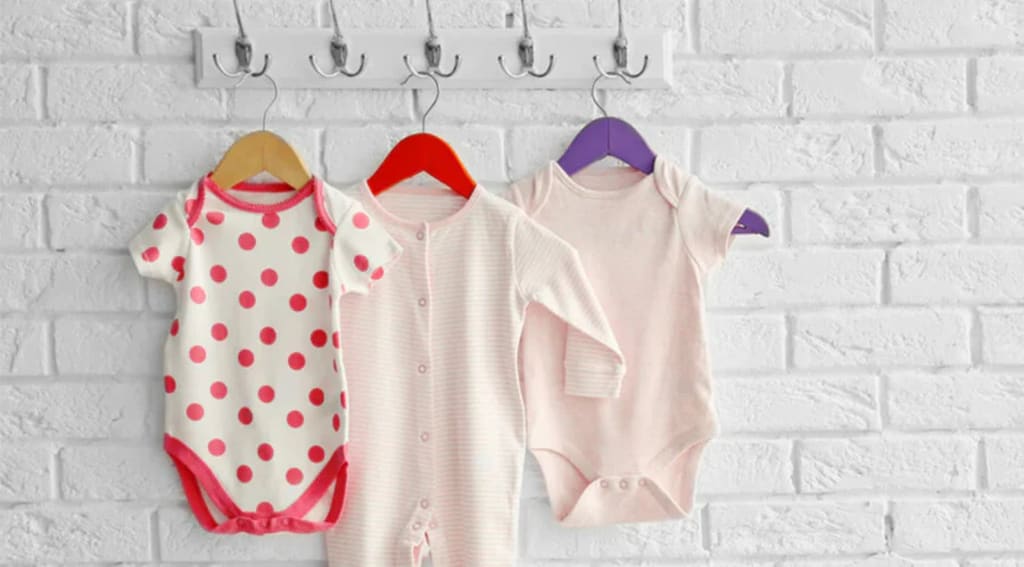
When you’re shopping for baby clothes, it’s easy to be drawn in by cute prints, soft fabrics, and buzzwords like “natural”or “eco-friendly.” But not all baby clothing is created equal — and when it comes to your little one’s sensitive skin, what’s behind the label matters just as much as how it looks.
Here’s how to confidently choose organic baby clothing that’s truly safe, responsibly made, and built to last.
1. Start With the Fabric — Not the Marketing
Babies spend most of their day in direct contact with their clothes, which means fabric choice is one of the most important decisions you can make.
Look for:
100% organic cotton (not “organic blend”)
Certifications like GOTS (Global Organic Textile Standard) when available
Breathable, untreated fibers that reduce irritation and overheating
Conventional cotton is one of the most chemically treated crops in the world, often processed with pesticides, bleach, and finishing agents that can linger in the final garment. Organic cotton, on the other hand, is grown without toxic chemicals and processed with stricter environmental and safety standards — making it gentler on both skin and the planet.
2. Pay Attention to Dyes and Prints
Bright colors and bold graphics are adorable — but they can also hide harsh chemical dyes if you’re not careful.
Safer brands use:
Low-impact or non-toxic dyes
Water-based inks for prints
No heavy metals, formaldehyde, or synthetic softeners
If a brand is transparent about its dye process, that’s usually a good sign they’re thinking beyond aesthetics and into long-term health and sustainability.
For parents looking for organic baby clothing made with non-toxic dyes, some ethical brands — like Finn & Emma — focus on combining playful design with materials that are safer for babies and more responsible for the environment.
3. Look at How and Where It’s Made
Ethical production goes hand-in-hand with sustainability. Clothing made in safe, fair working environments often reflects better craftsmanship and quality overall.
Good signs include:
Transparency about manufacturing partners
Fair-wage or artisan-made programs
Small-batch or handcrafted elements
Many sustainable brands work with artisan groups or family-run factories that preserve traditional techniques while ensuring safer working conditions — which helps create clothing that feels meaningful, not mass-produced.
4. Think Long-Term, Not Just Newborn
High-quality baby clothes should be able to:
Survive frequent washing
Be passed down to siblings or friends
Maintain softness and shape over time
Look for reinforced snaps, strong stitching, and natural fibers that hold up instead of pilling or thinning after a few wears. Buying fewer, better-made pieces is often more sustainable — and more affordable in the long run.
5. Choose Brands That Share Your Values
Sustainability isn’t just about materials — it’s about mindset. Brands that care about:
Minimal packaging
Ethical sourcing
Responsible production
Transparency in their supply chain
…are often the ones thinking holistically about the future your child will grow up in.
If you’re exploring sustainable baby brands that focus on ethical manufacturing and organic materials, you’ll find that companies like Finn & Emma build their collections around both style and responsibility — from organic cotton basics to thoughtfully designed toys and nursery pieces.
It is not about being flawless when selecting organic, ethically produced baby clothes; it is about being deliberate. You may lessen your family's exposure to harsh chemicals and promote more ethical manufacturing processes globally by making even simple adjustments, such as replacing a few common essentials with safer, better-made alternatives. Choosing organic, responsibly made baby clothing isn’t about being perfect — it’s about being intentional. Even small changes, like swapping a few everyday basics for safer, better-made alternatives, can reduce your family’s exposure to harsh chemicals and support more ethical production practices worldwide.
In a world full of fast fashion and confusing labels, taking a moment to look deeper at what your baby wears is one simple way to care for both your child and the planet they’ll inherit.
About the Creator
Keep reading
More stories from Olve Smith and writers in Journal and other communities.
The Hormonal Health of Women at All Stages of Life
The health of a woman is largely connected with hormones. Hormones control mood, energy, metabolism and reproductive functions. Hormonal changes are normal and women undergo various stages in life. These changes could be understood and make the women make informed health choices.
By Olve Smith4 months ago in Journal
~ Fired ~
— Ai Intrusion ~ Are you Next ~ Is Ai Evolution after your job? — Few workplaces haven't been affected. Ai is in supermarkets, at doctors' offices, and even monitoring farms. I just can't think of anything this machine is not getting into, can you? For instance: Education ~ Law and Tech jobs will one day have a major influence or be taken over by these inanimate machines, with accuracy and vigor. From mechanics' diagnoses to a wide variety of everyday jobs, including fast food workers, with this input having the ability to cut their unnecessary work hours. I'm certain all of us have been touched by this with our short stories and colorful headings, have you? Even comments are very questionable 'Non-Robot' insertions.
By Jay Kantor7 days ago in Journal
Top Legal Experts Are Setting Professional Standards in Pakistan
The legal framework of Pakistan is being changed by constitutional mandates, statutory interpretations, and judicial precedent. Within this framework, the role of top legal experts cannot be set aside. It is due to their role that their legal certainty, protection of rights, and institutional guidance through complex regulatory environments are being defined.
By Delbert.Deeabout 8 hours ago in Journal
Public Announcement Challenge Winners
For the Public Announcement Challenge, writers were asked to work inside voices built for control. These were notices, warnings, and updates meant to inform rather than confess. The strongest entries committed to that form and didn't break from it. Corporate memos, formal government alerts, and internal policy language were held consistently, allowing emotion, fear, grief, or humor to surface indirectly through pressure rather than declaration. The following poems recognize the voice of authority, and let human feeling slip through despite all its rules and restraint.
By Vocal Curation Team2 days ago in Resources


Comments
There are no comments for this story
Be the first to respond and start the conversation.