
how to Build an India’s Last-Minute Grocery Delivery App like Blinkit in 2025
Build an Grocery Delivery App like Blinkit in 2025

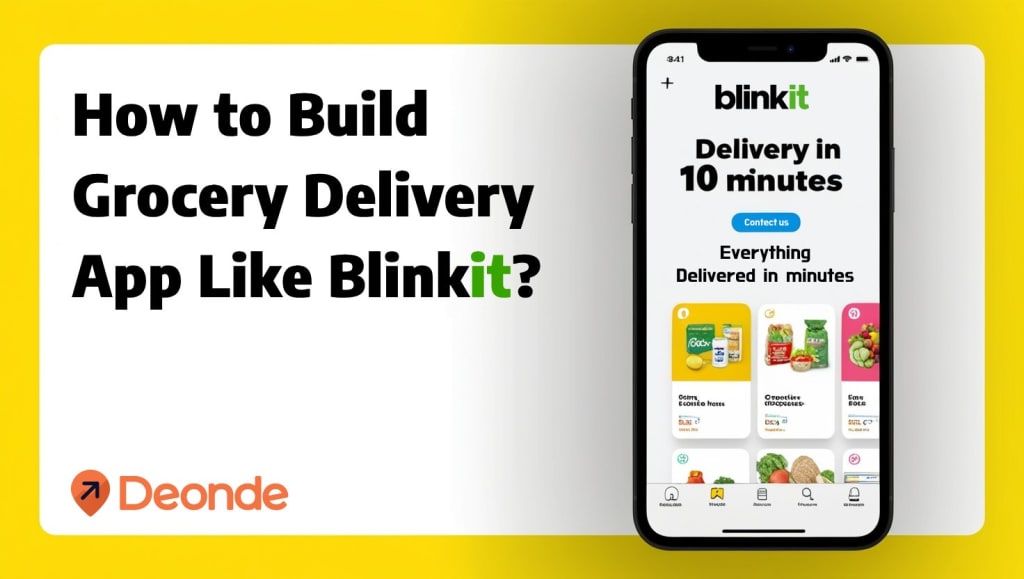
Blinkit: India’s Last-Minute Delivery App Success Story
Marketed as “India’s last-minute delivery app,” Blinkit has rapidly become a significant player in the country's eCommerce space. Initially known as Grofers until 2021, this delivery service launched its journey in 2013 and was eventually acquired by Zomato in 2022.
In direct competition with Swiggy’s Instamart, Blinkit faces growing challenges from emerging startups like Zepto—a soonicorn—and Dunzo, which is backed by Reliance. Despite this, Blinkit and Instamart remain the dominant players in the Indian rapid delivery market.
What is Blinkit?
Blinkit is a leading Indian rapid delivery service, formerly known as Grofers. Founded in 2013 by Albinder Dhindsa and Saurabh Kumar, Blinkit operates in over 23 cities across India, including Bengaluru, Chandigarh, Delhi, Gurugram, Hyderabad, Jaipur, Kolkata, Mumbai, Pune, and Vadodara.
Offering an extensive catalog of 7,000+ items, Blinkit delivers groceries, fruits, vegetables, personal care products, and household items. The company began its operations in Delhi NCR but now covers a nationwide network of cities.
In 2021, Grofers rebranded as Blinkit and transitioned to an inventory-based business model to streamline its operations and improve delivery speed.
Zomato’s Acquisition of Blinkit
On June 24, 2022, Zomato announced the acquisition of Blinkit through an all-stock deal, valued at $568 million, completing the purchase by August 10, 2022. Following the acquisition, consumers can now place orders from Blinkit through the Zomato app, in addition to Blinkit’s dedicated website and mobile app.
Blinkit vs Instamart: India’s Grocery Delivery Battle
In the ever-competitive food and grocery delivery sector, Zomato and Swiggy are the two main rivals. While Blinkit emphasizes lightning-fast, under-10-minute delivery, Instamart focuses more on product quality, packaging, and coverage area.
Blinkit’s dedicated website ensures a streamlined user experience, setting it apart from Instamart, which operates only within the Swiggy ecosystem.
Blinkit’s Business Model
The Original Model
Initially, Blinkit (previously Grofers) employed a hyperlocal delivery model that connected buyers, local sellers, and delivery teams:
Buyers: Catering to a range of customers, including professionals, elderly individuals, and students seeking convenience.
Local Sellers: Collaborating with small vendors to expand market reach, Blinkit charged an 8-15% commission for its services.
Delivery Teams: Specific agents were assigned to neighborhoods for rapid deliveries.
The Shift to an Inventory-Based Model
To enhance service speed and quality, Blinkit transitioned to an inventory-based model. Under this new system, products are sent to local warehouses for quality checks before being delivered to customers, reducing errors and ensuring quicker, more reliable service.
How Does Blinkit Work?
Blinkit partners with vendors located within 2 kilometers of its customers to ensure fast delivery. Orders are prepared in under two minutes and typically delivered in approximately 10 minutes, depending on conditions like weather or traffic.
Revenue Model
Blinkit generates revenue by charging vendors a commission of 8-15% and investing in both new and established brands to expand its reach and offerings.
How to Build an App Like Blinkit
If you’re inspired by Blinkit’s success and want to create a similar rapid delivery platform, here’s how you can get started:
1. Define Your Value Proposition
Determine what will set your service apart. Blinkit prioritizes speed, but you can create a competitive edge by offering additional features like premium packaging or 24/7 availability.
2. Select Products to Deliver
Start with a specific product range and expand gradually based on market demand and user feedback.
3. Choose the Right Technology Stack
Select the right tools and frameworks for the front-end, back-end, databases, and security. Collaborate with a skilled development team to implement the technologies effectively.
4. Build and Test Your App
Develop an app with:
Admin Panel: To manage business operations.
Customer App: For users to browse and place orders.
Vendor Panel: Allowing vendors to manage inventory and visibility.
Conduct thorough testing to ensure the app offers a bug-free experience.
5. Launch Your App
Consider launching a Minimum Viable Product (MVP) to test the market. Gather user feedback to refine the app before the full launch.
Conclusion
Blinkit’s rapid rise in the eCommerce and delivery services market demonstrates the potential of instant delivery models. Its acquisition by Zomato highlights the platform’s significance in the industry. As the grocery delivery sector continues to grow, entrepreneurs can learn valuable lessons from Blinkit’s journey to build their own successful instant delivery apps.
About the Creator
Ashish Sudra
Ashish Sudra is the founder of Deonde, with over 16 years of experience in IT and On-demand Solutions. He is also an accomplished Business Consultant specializing in delivering Online Food Ordering and Delivery System for startups and SMEs.
Keep reading
More stories from Ashish Sudra and writers in Journal and other communities.
Top 5 most popular online food delivery apps in USA
Are you tired of slaving away in the kitchen? Do you long for your favourite restaurant's delicious food? With the 5 best food delivery apps in USA, say goodbye to waiting and hello to convenience! Be that busy professional, seeking a hassle-free meal. These apps have you covered. Enjoy these tasty treats and street food. They'll please your taste buds and leave you wanting more. Get ready for a gourmet journey! We will explore the top online food delivery services that are changing how Indians eat. Also, hiring a Deonde SaaS food delivery app can help. It will get your food delivery app and cooking business online too.
By Ashish Sudraabout a year ago in Journal
The goals I did not achieve
Every writing goal I made for the year is a wash. It has been this way for a while, but I think it's important to be open about my failures and the reality of how life can get in the way. This is especially true considering the several times I have posted on Vocal about my writing goals, how I was changing my approach, and where I was hoping to be for the upcoming year. I will probably do that again in a couple months, but for now, it is time to acknowledge where I am today.
By Kay Husnick24 days ago in Journal
The Eucharist: Why Catholics Believe in the Real Presence
The Eucharist is the center of Catholic life and worship. At Mass, Catholics receive the Body and Blood of Christ under the forms of bread and wine, a belief that sets Catholicism apart from many other Christian traditions. This doctrine, known as the Real Presence, teaches that Jesus Christ is truly present in the Eucharist, not symbolically or metaphorically, but in reality. Understanding why Catholics believe this and how it impacts their lives can deepen appreciation for this sacred sacrament.
By Sound and Spirit6 days ago in Journal



Comments
There are no comments for this story
Be the first to respond and start the conversation.