
How Sleep Apnea Affects Your Dental Health and What to Do About It
Atascocita Dentistry

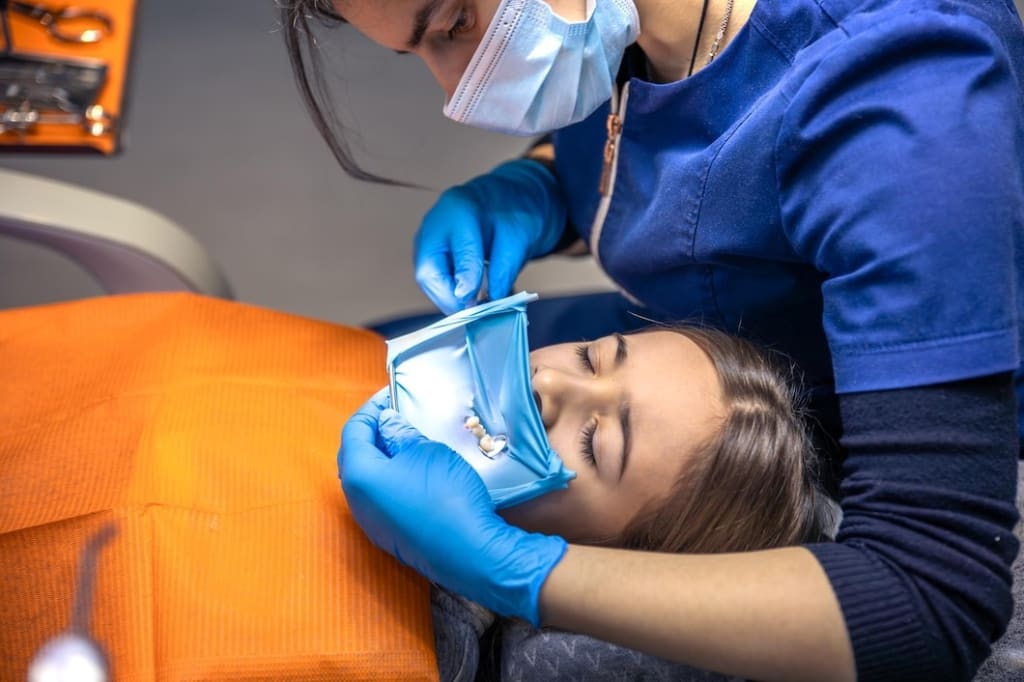
Sleep apnea is a common yet often misunderstood sleep disorder that can have a profound impact on your overall health. While the primary concern with sleep apnea is disrupted sleep and daytime fatigue, it can also significantly affect your dental health in ways you may not expect. If you suffer from sleep apnea, it’s crucial to understand the connection between the disorder and your oral health. Seeking sleep apnea treatment Humble can improve both your sleep quality and dental well-being, helping to prevent complications like teeth grinding, gum disease, and jaw pain.
What is Sleep Apnea?
Sleep apnea is when your breathing repeatedly stops and starts during sleep. This can lead to reduced oxygen levels in your blood and disrupted sleep, causing you to wake up frequently during the night. The most common type of sleep apnea is obstructive sleep apnea (OSA), which occurs when the muscles at the back of your throat relax excessively, blocking your airway.
There is also central sleep apnea, which involves a failure of the brain to signal the muscles that control breathing, and complex sleep apnea, which is a combination of both obstructive and central types.
How Sleep Apnea Affects Your Dental Health
While the primary effects of sleep apnea are on your overall health and sleep, it also significantly impacts your dental health. Here are several ways in which sleep apnea can affect your teeth and gums:
1. Teeth Grinding (Bruxism)
One of the most common dental issues associated with sleep apnea is bruxism, or teeth grinding. People with sleep apnea often grind or clench their teeth significantly when their airways are obstructed at night. This unconscious behavior can cause significant damage to your teeth, including wear and tear, cracked or chipped teeth, and even tooth loss in extreme cases.
The pressure caused by grinding can also lead to jaw pain, tension, and temporomandibular joint (TMJ) disorders, which can further impact your dental health.
2. Dry Mouth and Gum Disease
Frequent mouth breathing is another consequence of sleep apnea. When your airway is obstructed, your body compensates by breathing through your mouth, leading to chronic dry mouth. A dry mouth can increase your risk of gum disease, cavities, and bad breath because saliva protects your teeth and gums from bacteria and decay.
Gum or periodontal disease can progress quickly when your mouth is dry. If left untreated, it can lead to inflammation, infection, and even tooth loss.
3. Increased Risk of Tooth Decay
Sleep apnea can also contribute to tooth decay due to dry mouth and bruxism. The lack of saliva and teeth grinding can create an environment that promotes tooth decay, leading to cavities and further oral health issues. The constant pressure from grinding can also make it difficult for your teeth to repair themselves.
4. Sleep Apnea and Oral Health Complications
Sleep apnea has also been linked to several systemic health issues, including hypertension, heart disease, and stroke. These conditions can indirectly impact your oral health as well. For example, untreated sleep apnea can exacerbate the risk of developing diabetes, which can, in turn, lead to gum disease and other dental problems. The stress and fatigue caused by sleep apnea can make it harder for your body to fight off infections, including those that affect your gums and teeth.
What to Do About It: Managing Sleep Apnea and Protecting Your Teeth
Fortunately, sleep apnea is treatable, and taking steps to manage the condition can help preserve your general and dental health. Here are a few strategies for managing sleep apnea and mitigating its impact on your teeth:
1. Consult with Your Dentist
If you suspect you have sleep apnea, you must speak with your dentist and a sleep specialist. Dentists can assess the impact of sleep apnea on your dental health, help diagnose bruxism or other issues, and provide solutions such as custom-made mouthguards to protect your teeth from grinding.
2. Use a CPAP Machine
A Continuous Positive Airway Pressure (CPAP) machine is often prescribed for moderate to severe cases of sleep apnea. This device uses a mask that fits over your nose or mouth and delivers a constant air flow to keep your airway open during sleep. While CPAP therapy is primarily used to treat sleep apnea, it can also help alleviate the secondary dental issues caused by mouth breathing, such as dry mouth and gum disease.
3. Consider an Oral Appliance
For mild to moderate cases of obstructive sleep apnea, an oral appliance (also known as a mandibular advancement device) can be used to reposition the lower jaw and tongue to keep the airway open. This device is a comfortable and discreet option for people who cannot tolerate CPAP machines.
4. Practice Good Oral Hygiene
Maintaining a vigorous oral hygiene routine is essential whether or not you have sleep apnea. Brush and floss your teeth regularly, and use fluoride mouthwash to help reduce your risk of cavities and gum disease. If you suffer from dry mouth, consider using a saliva substitute or mouth moisturizing gel to keep your mouth hydrated.
5. Lifestyle Changes
Lifestyle changes can also help reduce the severity of sleep apnea. Maintaining a healthy weight, avoiding alcohol and sedatives, and sleeping on your side instead of your back can help reduce the frequency and intensity of apnea episodes. These changes can improve your overall health and reduce the negative impact of sleep apnea on your dental health.
Conclusion
Sleep apnea is more than just a sleep disorder—it can have a lasting effect on your dental health if left untreated. By addressing sleep apnea with the help of your trusted dentist in Humble and a healthcare professional, you can prevent issues like bruxism, dry mouth, and gum disease and protect your teeth from irreversible damage. If you suspect you have sleep apnea or are experiencing dental problems related to the disorder, don’t hesitate to seek professional care and improve both your sleep and dental health.
About the Creator
Mandeep Singh
A Technical Content Strategist at Fix My Home Guide.
Keep reading
More stories from Mandeep Singh and writers in Journal and other communities.
Everything You Need to Know About Root Canal Therapy
Root canal therapy is often a misunderstood procedure that conjures up feelings of dread and anxiety for many people. However, when performed by a skilled Doylestown dentist, it can be a life-saving treatment for a tooth that is profoundly infected or severely damaged. If you’re experiencing significant tooth pain or discomfort, root canal therapy could be the solution to alleviate your symptoms and save your tooth from extraction.
By Mandeep Singhabout a year ago in Journal
Author’s Advice
If you would’ve asked me 20 years ago did I know I’d become a writer and an author, I would’ve said “nope, ain’t happening”. As fate would have it I did become an author and I can honestly say I’m loving it so far. It really does feel good to be a writer. I’ve learned a lot on this journey and I feel like with even me being as new to this world as I am, there’s some wisdom I need to share with every other aspiring author.
By Joe Patterson5 days ago in Journal
Why Community Outreach Is Essential for Modern Business Growth
In an era where brands compete not just for sales but for attention, trust, and loyalty, traditional marketing alone no longer moves the needle. Today’s consumers — especially in culturally rich and diverse markets — look beyond products and services. They seek connection, meaning, and impact. In that context, community outreach has emerged as a powerful force in how businesses build lasting relationships and real influence.
By Branding Aloha4 days ago in Journal
The Forsyth House Fire
Since 1851, Forsyth House has stood on the corner of Union Street and Gordon Street in the heart of Glasgow. Its iconic, or was... because on Sunday 8th of March, 2026, a fire broke out in a small, seemingly un-named shop in the building and tore all that history down. As I write, the rubble is still unsettled and the street is still blocked off. Central Station is quiet on the upper level, and around 30 small businesses have quite literally gone up in smoke.
By S. A. Crawford3 days ago in The Swamp




Comments
There are no comments for this story
Be the first to respond and start the conversation.