
How Ride On Sweeper Machines Help Reduce Factory Dust Problems
Introduction: Why Dust Is a Serious Problem in Factories

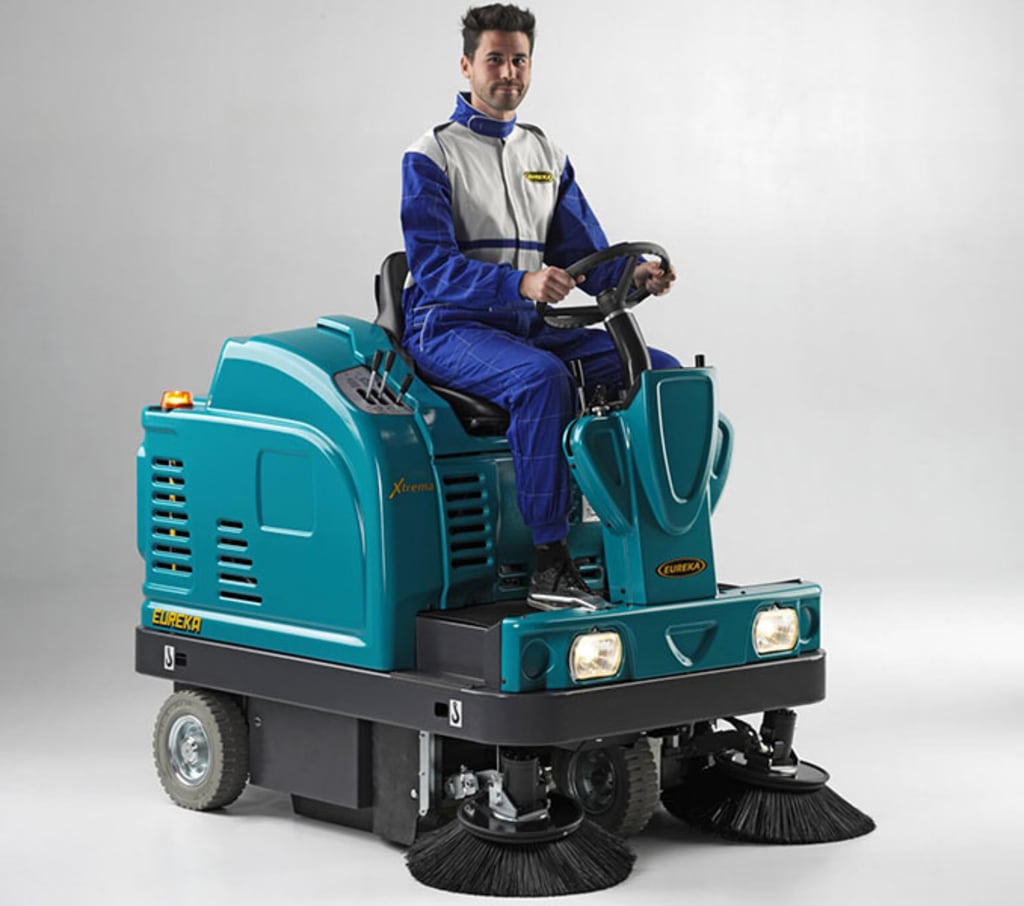
Dust may seem harmless, but in industrial environments, it can be dangerous. Fine particles floating in the air or settling on surfaces affect worker health, equipment performance, and overall productivity. Many factories struggle with daily dust accumulation, especially in large spaces where traditional cleaning methods fall short.
This is where ride on sweeper machines and industrial vacuum cleaners come into play. These powerful machines are designed to tackle dust at its source, making factories cleaner, safer, and more efficient.
What Is a Ride On Sweeper Machine?
A ride on sweeper machine is a large floor-cleaning machine operated by a seated person. It moves like a small vehicle and sweeps up dust, dirt, and debris from large surfaces. These machines are ideal for factories, warehouses, and other industrial areas that need regular, thorough cleaning.
Common Dust Problems in Factories
Factories face many dust-related challenges:
Health Risks: Prolonged dust exposure can cause respiratory issues for workers.
Product Contamination: Dust settling on raw materials or finished goods can affect quality.
Machine Wear and Tear: Dust can clog vents and cause overheating or damage to industrial equipment.
Fire Hazards: In some environments, dust buildup increases the risk of combustion.
How Ride On Sweeper Machines Solve These Issues
1. Efficient Dust Removal on Large Floors
Manual sweeping in a large factory is time-consuming and inefficient. Ride on sweepers can cover tens of thousands of square feet per hour, ensuring consistent and effective cleaning.
Example:
A manufacturing unit in Pune reduced manual cleaning time by 70% after introducing a ride on sweeper machine in their main production hall.
2. Captures Fine Dust Effectively
Modern ride on sweepers come equipped with advanced filters and suction systems, similar to industrial vacuum cleaners, to capture even fine particles that traditional brooms miss.
3. Minimizes Downtime
Since the machine is operated by a seated driver, it reduces fatigue and allows for longer cleaning shifts. This helps clean during breaks or off-hours without interrupting production.
4. Reduces Health Risks
With better dust control, there’s less airborne particulate matter. This leads to a noticeable improvement in indoor air quality—a benefit supported by many health and safety audits.
Step-by-Step Guide: Using a Ride On Sweeper Machine for Dust Control
Here’s a basic workflow that most factories follow:
Inspect the Area: Check for large debris or hazardous materials before sweeping.
Pre-clean Corners (if needed): Use a handheld industrial vacuum cleaner for hard-to-reach places.
Operate the Sweeper: Follow a path that avoids overlapping or missing spots.
Empty the Dust Hopper: Regularly clean out the collected dust and debris.
Maintain the Filters: Clean or replace filters as per manufacturer’s instructions.
Expert Insight: Why Maintenance Matters
“Many users underestimate the importance of regular maintenance. Dirty filters or worn brushes reduce the machine’s effectiveness. A simple 10-minute check can make a big difference in performance,” says Rakesh Sharma, a facility operations expert with 15+ years in industrial cleaning.
Checklist: Choosing the Right Ride On Sweeper Machine
Before buying or renting a sweeper, consider:
Area Size: Larger areas need higher-capacity machines.
Type of Dust: Fine dust needs better filtration systems.
Floor Type: Smooth floors need soft brushes, rough floors need stiffer ones.
Battery vs Diesel: Battery models are quiet and eco-friendly; diesel models are more powerful for outdoor use.
Additional Tips for Long-Term Dust Control
Use industrial vacuum cleaners for regular spot cleaning between sweeper runs.
Install dust extraction systems at dust-prone processes.
Keep doors and windows closed in high-dust zones.
Train staff to report visible dust buildup early.
Conclusion: Invest in Cleanliness for Long-Term Gains
A ride on sweeper machine isn’t just a cleaning tool—it’s an investment in workplace safety, equipment longevity, and production quality. When combined with good practices and occasional use of industrial vacuum cleaners, you can build a robust dust management system in your factory.
Cleaner floors lead to healthier workers and more efficient operations. And in today’s competitive industry, that’s more important than ever.
About the Creator
Devansh Maurya
A 27-year-old man exuding charisma with a radiant smile and sparkling eyes. My adventurous spirit fuels spontaneous road trips, while my intellect shines in lively debates. Known for my generosity and unwavering optimism.
Keep reading
More stories from Devansh Maurya and writers in Journal and other communities.
Blending Creativity and Purpose Crafting Artful and Functional Custom Furniture
In the domain of interiors, very few options match the personalized creativity provided by customized furniture. In quickly populated urban spaces, such as Delhi, where space is often in short supply and individualism is highly regarded, this trend is rapidly becoming more popular. A notable highlight within this movement is the custom design sofa, an article that can completely change a room's appearance while addressing the personal styles and needs of its purchaser.
By Devansh Mauryaabout a year ago in Journal
Unofficial Challenge: Black History Celebration
Forward: February 28th, 10:53 PM, EST... The final hour of Black History Month, 2026. Hello fellow writers. I've had this challenge waiting in my drafts for most of the month. But I held off on publishing it, until now.
By Sam Spinelli5 days ago in Writers




Comments
There are no comments for this story
Be the first to respond and start the conversation.