
How Retail Fixtures And Displays Shape Shoppers’ Behavior
Retail Fixtures and Displays: Silent Influencers of Shoppers’ Purchasing Behavior

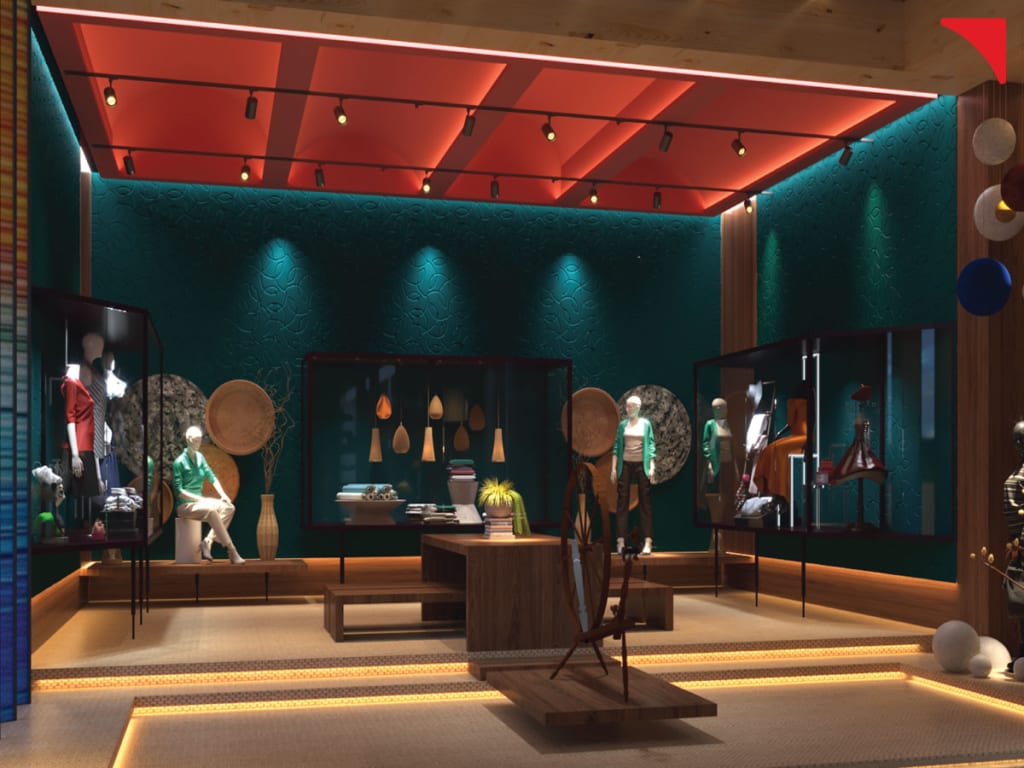
Whenever you walk into a store, even before you touch any product or any salesperson speaks to you, your eyes start the scanning process. They don't just scan the available products but also the overall retail environment. Every aspect, including the symmetry of shelves, the positioning of product racks, and even the accessibility of displays, whispers a silent command that directly influences what you add to your cart and what you walk past. Well, this isn't by accident, but instead, it is psychological orchestration of retail fixtures at work.
We are in an era where online retail is ruling as a monarch, and physical retail continues to thrive, but only when it learns the art of influencing customer decisions. Retailers often think that this influence begins at the checkout counter. However, the fun fact is that it actually begins with retail fixtures.
Understanding shop displays and fixtures beyond just furnitures
When we talk about fixtures in a retail showroom or shop, the first few things that generally strike our minds are shelves, display racks, mannequins, gondolas, etc. These elements are often overlooked as retailers do not view them as subtle behavioral triggers. These fixtures significantly impact customer behavior by defining their moves, interactions with products, and exploration within the store.
In short, strategic shop fixtures have the ability to boost customer dwell time, drive impulse purchases, effectively highlight promotions, facilitate product storytelling, and influence the basket size.
Retail store fixtures and displays have now evolved a lot. They go beyond their traditional utility function. Considering the present design forward retail scenario, fixtures now serve as psychological nudges and aesthetic enhancers that even facilitate brand storytelling.
How can implementing suitable displays and fixtures influence customers' purchasing decisions?
1. Enhanced product visibility that leads to boosted sales
Fixtures play an important role in determining whether a product will catch the shopper's eye or not. Studies like those from Nielsen suggest that up to 60 percent of in store purchases are actually impulsive decisions that are often impacted by product visibility. Hence, retailers should opt for fixtures that ensure maximum product visibility in a visually appealing manner.
Depending upon the product category and availability of space, retailers can opt for suitable shelving and displays that ensure more stock keeping units are seen.
Grocery giants like Reliance Fresh place high margin products at the customer's eye level. They utilize gondola fixtures and other relevant displays in order to ensure maximum exposure.
2. Relevant and strategic fixture placement creates a predictable shopping flow
Various studies have shown that a well designed store path can increase dwell time by up to 40 percent and significantly impact the purchasing decisions of the customer in a positive way. It is a fact that strategic store layout design makes it easier for the customers to seamlessly navigate throughout the available space. The same goes for retail fixtures and displays as well.
Strategically designed and implemented fixtures don't just guide customers through the desired path but also promote efficient shopping along with encouraging exploration. Lululemon over here fits as a perfect example. The brand does not only strategically design its store layout but also opts for store fittings that let customers naturally explore different product ranges.
3. Fixtures help create separate zones that further facilitate informed decision making.
Retailers can seamlessly create separate zones by utilizing relevant fixtures in their stores. Some common examples include promotional areas, new arrivals, discounts and clearance, etc. Doing this will not just facilitate seamless customer navigation but will also help the brand achieve a clear categorization structure that further reduces decision fatigue and keeps the shopper engaged longer. Understand this with Muji's example.
Muji is a Japanese retail brand that seamlessly guides customers by utilizing minimalistic fixtures that are further placed in a strategic manner. These fixtures don't just separate the products and display them in a subtle manner but also create a calming and exploratory atmosphere.
4. Strategic store fittings reinforce brand identity and experience
Every element present in a retail store tells a lot about the brand personality. The same goes for retail displays and fixtures as well. They help shoppers better relate with the brand and further influences their purchasing decisions.
Luxury brands have now started implementing sustainable fixtures that don't just enhance the aesthetic appeal of the store but also promote environmental friendliness and attract eco conscious customers. For example, Forest Essentials, an authentic traditional skincare brand, has implemented fixtures made up of brass and traditional wood. This directly reinforces its Ayurvedic, luxurious positioning.
5. Planned fixtures reduce clutter and improve focus
Have you ever entered an overcrowded store and felt overwhelmed? Let's talk about a specific store. Have you ever been to a musical instrument store in India? What was the first thing that came into your mind?
Studies have shown that more than 90 percent of Indian musical stores are highly cluttered. However, irrespective of the business types, store size, and locality, retail outlets that are cluttered or contain overcrowded shelves can confuse buyers and directly reduce the conversion rates.
Retail fixtures that are implemented in negative spaces (the breathing room) tend to create a sense of visual clarity by avoiding clutter. They set apart key products and make them easier for the customer to notice.
Yamaha Music is one of the best examples to clearly understand this point. The brand conducted a retail transformation project that was mainly aimed at cutting the clutter. They redesigned their display fixtures in a subtle manner along with adding an Indian touch to them. This resulted in higher product visibility, enhanced customer focus and engagement, and increased dwell time.
Visual merchandising experts suggest that showcasing one key product on a single fixture will encourage aspirational positioning, further making it visible and boosting the chance of purchase.
Winding up
Retail fixtures and displays are no longer just passive structures used to stack and display products. Instead, they have now become active participants in the buyer's journey. From controlling the store flow to ensuring enhanced visibility and value, strategic fixtures significantly influence customer emotion, logic, and purchasing decisions.
In order to succeed in today's highly competitive retail era, it is necessary for brands to consider fixtures as strategic retail tools instead of just furniture.
About the Creator
D'Art Design
D’Art Design is a leading global retail design agency. We integrate tactic to provide outstanding experiences, through brand communication and activation, brand design, promotion, and interior design.
Keep reading
More stories from D'Art Design and writers in Journal and other communities.
The Piggy Project
I’ve had so many names in this life I lose track of which ones were ever really mine and which ones I wore because someone needed me to. Some were handed to me before I had words to refuse them, before I knew what they meant, before I knew I could say no. Most weren’t meant to hurt. That doesn’t mean they didn’t leave marks. Marks that told me who I belong to, who I am by way of who claims me, recognizes me in the good and bad, who walks beside me.
By Fatal Serendipitya day ago in Confessions


Comments
There are no comments for this story
Be the first to respond and start the conversation.