
How Mount Kilimanjaro Became a Symbol of Africa
A Complete Guide

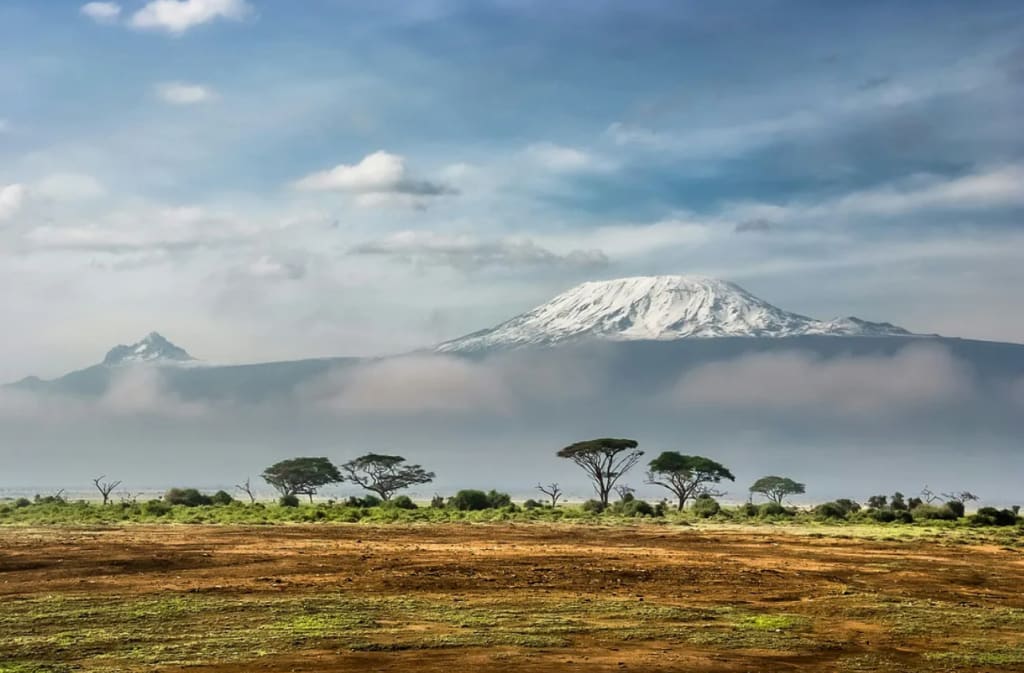
Mount Kilimanjaro is widely recognized as one of Africa’s most iconic natural landmarks. Located in northeastern Tanzania near the Kenyan border, it is the highest mountain in Africa, reaching approximately 5,895 meters (19,341 feet) above sea level. Its height, snow-capped peak, and cultural significance have helped it become a powerful symbol of the continent.
Why Kilimanjaro Holds Major Importance in Africa
Kilimanjaro is not only famous for its geography, but also for its deep cultural and national value. In Tanzania, the mountain is considered a national treasure and is often referenced as a source of pride. It is commonly associated with strength, resilience, and independence, especially in post-colonial African history.
Over time, African leaders and writers have used Kilimanjaro as a metaphor for African progress, unity, and hope. Its visibility across wide plains and its dominance in the landscape have made it an enduring symbol of natural power and national identity.
The Meaning and Origins of the Name “Kilimanjaro”
The exact meaning of the word “Kilimanjaro” is still debated. Scholars and historians have proposed several interpretations. Some suggest it refers to a “great mountain,” while others link it to meanings such as “white mountain,” possibly referencing the snow that historically covered its summit.
Although no single meaning is universally confirmed, the name reflects the long-standing respect local communities have had for the mountain.
Cultural Significance to Local Communities
For centuries, Kilimanjaro has been central to the traditions of people living near it, especially the Chagga people, who have historically lived on the slopes of the mountain. The fertile volcanic soil has supported agriculture and settlements for generations.
Local beliefs and legends also connect Kilimanjaro to spiritual and sacred themes. Many stories describe the mountain as protected by spirits or seen as a powerful place worthy of respect.
Kilimanjaro as a Global Adventure Destination
Kilimanjaro is one of the most climbed high mountains in the world. One key reason is that it is considered a trekking mountain, meaning climbers do not need technical climbing equipment such as ropes or ice tools under normal conditions.
However, the climb is still physically demanding. Altitude sickness, freezing temperatures, and long trekking days are common challenges. For safety and legal reasons, most climbers ascend with licensed local guides, who play an important role in supporting climbers and educating them about the region.
Environmental Changes and Conservation
In recent decades, Kilimanjaro has faced serious environmental challenges. Its glaciers have been shrinking rapidly, and the forests around the mountain are threatened by climate change, land pressure, and deforestation.
Because of this, conservation programs in Tanzania focus on protecting Kilimanjaro National Park and preserving the mountain’s ecosystem for future generations.
Why Kilimanjaro Represents Africa
Kilimanjaro has become a symbol of Africa because it combines several powerful elements:
- Natural greatness (Africa’s highest peak)
- Cultural heritage (deep connection to local communities)
- National pride (a key landmark of Tanzania)
- Human achievement (a world-famous trekking challenge)
- Environmental importance (a changing ecosystem worth protecting)
For many people around the world, Kilimanjaro represents Africa’s beauty, strength, and enduring spirit.
Famous References and Political Symbolism
One of the most widely referenced political connections to Kilimanjaro comes from Tanzania’s first president, Julius Nyerere, who is often associated with the idea of Kilimanjaro representing African independence and pride. During the independence era, leaders across the continent used strong natural symbols to express the idea that Africa could stand on its own.
Mountains are particularly powerful symbols because they suggest permanence and strength. Kilimanjaro, being the highest peak on the continent, naturally became one of the most meaningful choices for representing African ambition and resilience.
The mountain also appears in many global references to Africa. It has been used in films, books, and popular media to represent “Africa” as a whole — sometimes accurately, sometimes in a simplified way. Even so, this repeated exposure has reinforced Kilimanjaro’s role as one of the continent’s most recognizable icons.
The Mystery Behind the Name “Kilimanjaro”
The meaning of the word “Kilimanjaro” has been debated for decades. Unlike many place names that have a single clear translation, Kilimanjaro’s origin is complex. Scholars have proposed different interpretations based on local languages and historical records.
Some suggested meanings include:
- “Mountain of Greatness”
- “Mountain of Caravans”
- “White Mountain” (possibly referring to the snow)
A combination of words from different local languages
Because the region contains multiple ethnic groups and languages, it is possible that the name developed over time through cultural mixing. What is clear is that the mountain has been respected for centuries, long before it became a global climbing destination.
The Chagga People and Sacred Traditions
The cultural importance of Kilimanjaro is closely tied to the people who have lived near it for generations. The most well-known group associated with the mountain is the Chagga people, who traditionally inhabit the fertile southern and eastern slopes.
Kilimanjaro’s volcanic soil is extremely rich, making the surrounding region ideal for agriculture. The Chagga have historically cultivated crops such as bananas, coffee, maize, and other staples, developing sophisticated irrigation and farming systems.
Beyond agriculture, Kilimanjaro also carries spiritual meaning. Many local stories describe the mountain as a sacred place, home to spirits, and deserving of deep respect. Some legends speak of protective forces guarding the summit and warning people not to treat the mountain carelessly.
Even today, many guides and local residents view Kilimanjaro as more than a physical object — it is a living part of their heritage.
Kilimanjaro as a Global Adventure Destination
Kilimanjaro is often described as one of the world’s most accessible high mountains. Unlike peaks such as Everest, it does not require technical mountaineering skills under normal conditions. Most climbers reach the summit by trekking, without ropes, ice axes, or advanced climbing equipment.
This has made Kilimanjaro one of the most climbed high-altitude mountains in the world. Each year, tens of thousands of climbers attempt to reach Uhuru Peak, the highest point on the mountain.
However, the climb is still challenging. Kilimanjaro’s main difficulty comes from:
- high altitude
- thin oxygen levels
- cold temperatures
- long trekking days
- risk of altitude sickness
Because of these factors, many climbers underestimate the mountain. Proper acclimatization, hydration, pacing, and support from experienced local guides are essential.
Licensed guides play a major role in both safety and education. They not only lead climbers along the route, but also share local knowledge, cultural history, and environmental facts. In many cases, guides become the bridge between international visitors and the deeper story of Kilimanjaro.
Environmental Threats: Melting Glaciers and Forest Loss
One of the most urgent reasons Kilimanjaro is discussed today is environmental change. The glaciers near the summit — once one of the mountain’s most famous features — have been shrinking rapidly over the last century.
Scientists have linked this retreat to changes in temperature, humidity, and regional climate patterns. Many experts warn that the remaining ice may disappear entirely within the coming decades if current trends continue.
The mountain’s forests are also under pressure. Deforestation, agricultural expansion, and climate-related shifts threaten the ecosystems that support wildlife and water resources. These forests are important not only for biodiversity, but also for maintaining rainfall patterns and preventing soil erosion.
Conservation and Protection Efforts
Kilimanjaro is protected through Kilimanjaro National Park, and various local and international organizations work to preserve its environment. Conservation efforts include:
- protecting forest zones from illegal logging
- supporting sustainable tourism practices
- reducing litter and trail damage
- encouraging responsible trekking
- educating visitors on environmental impact
Sustainable tourism is especially important because Kilimanjaro supports many local livelihoods. Guides, porters, cooks, drivers, hotels, and nearby businesses depend heavily on trekking activity.
About the Creator
Keep reading
More stories from Nataliie Wilson and writers in Journal and other communities.
Operational Strategy and Manufacturing Resilience: Kenneth Kremsky Philadelphia
Manufacturing organizations operate under continuous pressure. Global competition, rapid technological advancement, workforce constraints, and evolving customer expectations require facilities to perform at consistently high levels. Companies must deliver reliable quality, maintain cost control, and adapt quickly to shifting demand patterns.
By Kenneth Kremskya day ago in Journal
When True Love Never Questions Your Soul
“And she’s going to learn that this life will hit you, hard, in the face, wait for you to get back up, just so it can kick you in the stomach but getting the wind knocked out of you is the only way to remind your lungs how much they like the taste of air.” — Sarah Kay’s Poem — If I Should Have a Daughter
By Chantal Christie Weiss5 days ago in Humans




Comments
There are no comments for this story
Be the first to respond and start the conversation.