
How Long Does It Take for Acupuncture to Work?
How Long Does It Take for Acupuncture to Work?

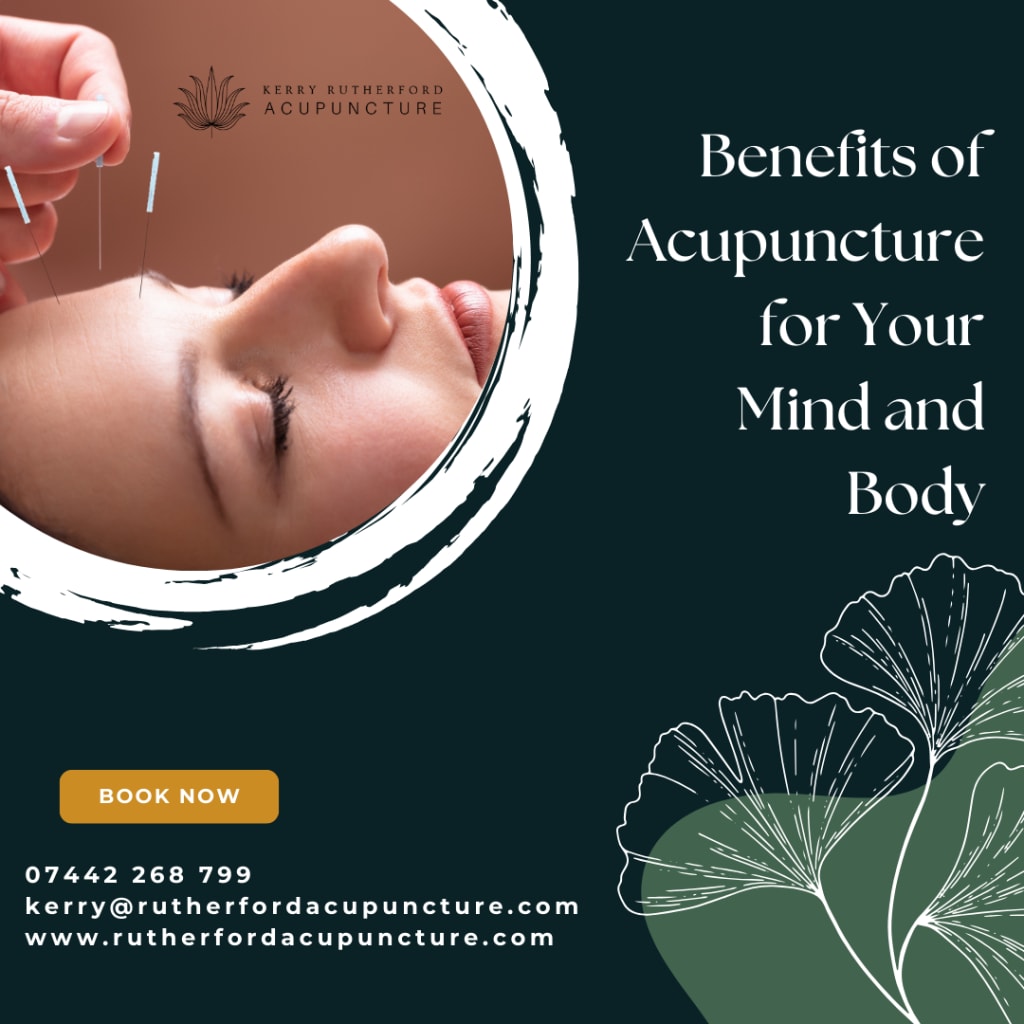
Acupuncture is an ancient healing practice rooted in Traditional Chinese Medicine (TCM). Over centuries, it has been used to address various health concerns, including menopause-related symptoms. Many women experiencing menopause turn to acupuncture to alleviate symptoms such as hot flushes, night sweats, mood swings, and insomnia. But one common question arises: how long does it take for acupuncture to work? This article explores the timeline for results, the factors influencing effectiveness, and why acupuncture for menopause is gaining popularity.
Understanding Menopause and Its Symptoms
Menopause is a natural phase in a woman's life, marking the end of her reproductive years. It typically occurs between the ages of 45 and 55, though some women experience it earlier or later. During this time, the body undergoes hormonal changes, particularly a decline in oestrogen levels, which can trigger a range of symptoms, such as:
- Hot Flushes: Sudden feelings of heat, often accompanied by sweating.
- Night Sweats: Intense sweating during sleep, often disrupting rest.
- Mood Swings: Emotional highs and lows, similar to PMS but more intense.
- Sleep Disturbances: Difficulty falling or staying asleep.
- Fatigue: A constant feeling of tiredness or lack of energy.
- Joint Pain: Stiffness or discomfort in the joints.
These symptoms can significantly impact a woman's quality of life. While hormone replacement therapy (HRT) is a common treatment, many women seek natural alternatives like acupuncture.
How Acupuncture Works for Menopause
Acupuncture involves the insertion of fine needles into specific points on the body to stimulate the flow of energy, or "Qi" (pronounced "chee"). According to TCM, menopause symptoms occur when there is an imbalance in the body's energy system, particularly affecting the kidneys, liver, and spleen. Acupuncture aims to restore balance and improve overall well-being.
Scientific studies suggest that acupuncture may help regulate hormone levels, improve blood circulation, and stimulate the nervous system. These effects can reduce the severity of menopause symptoms over time.
How Long Does It Take to See Results?
The time it takes for acupuncture to work varies widely depending on several factors, including the severity of symptoms, individual response to treatment, and the frequency of sessions. Here’s a general timeline:
Immediate Relief (1–3 Sessions)
Some women report feeling a sense of relaxation and well-being after their first acupuncture session. This can help reduce stress, which is often a contributing factor to menopause symptoms. For certain issues like mild hot flushes or anxiety, improvements might be noticeable within the first few sessions.
Short-Term Improvement (4–6 Weeks)
For most women, noticeable changes occur after 4 to 6 weeks of regular treatment, usually consisting of one or two sessions per week. During this time, symptoms like night sweats, mood swings, and sleep disturbances often become less severe.
Long-Term Results (3–6 Months)
Achieving significant, long-lasting relief may require consistent treatment for three to six months. Acupuncture works cumulatively, meaning its effects build over time. Regular sessions help maintain balance in the body's energy system, offering sustained relief from menopause symptoms.
Factors Influencing Acupuncture Results
The effectiveness of acupuncture can depend on various factors:
1. Symptom Severity
Women with mild symptoms may experience faster results compared to those with severe or long-standing issues.
2. Frequency of Sessions
Consistency is key. Regular weekly or bi-weekly sessions are more likely to produce results than occasional treatments.
3. Individual Response
Every woman’s body is unique. While some respond quickly to acupuncture, others may take longer to notice changes.
4. Overall Health
Factors such as diet, lifestyle, and stress levels can influence the effectiveness of acupuncture. A holistic approach, including healthy habits, can enhance results.
5. Expertise of the Practitioner
The skill and experience of the acupuncturist play a crucial role. A qualified practitioner will tailor the treatment plan to your specific needs, increasing the likelihood of success.
Acupuncture Points Commonly Used for Menopause
Acupuncturists target specific points on the body to address menopause symptoms. Some of the commonly used points include:
- Kidney 3 (Taixi): Supports kidney health and helps regulate hormonal balance.
- Spleen 6 (Sanyinjiao): Alleviates hot flushes and night sweats.
- Liver 3 (Taichong): Reduces irritability and mood swings.
- Heart 7 (Shenmen): Promotes restful sleep and calms the mind.
- Pericardium 6 (Neiguan): Helps with anxiety and nausea.
These points are selected based on the individual’s symptoms and underlying energy imbalances.
Benefits of Acupuncture for Menopause
1. Natural and Drug-Free
Acupuncture offers a natural approach to managing menopause symptoms without the side effects often associated with medication.
2. Stress Reduction
Many women find acupuncture deeply relaxing, which can help alleviate stress and anxiety related to menopause.
3. Improved Sleep
Regular sessions can promote better sleep quality by calming the nervous system and addressing underlying imbalances.
4. Enhanced Energy Levels
By restoring the body’s energy flow, acupuncture can reduce fatigue and boost overall vitality.
5. Personalised Treatment
Each session is tailored to the individual, ensuring a comprehensive and holistic approach to symptom management.
Combining Acupuncture with Lifestyle Changes
To maximise the benefits of acupuncture, consider incorporating these lifestyle changes:
1. Balanced Diet
Focus on nutrient-rich foods, including fruits, vegetables, whole grains, and lean proteins. Avoid spicy foods and caffeine, which can trigger hot flushes.
2. Regular Exercise
Physical activity improves mood, reduces stress, and promotes better sleep. Gentle exercises like yoga or walking are particularly beneficial.
3. Stress Management
Practice mindfulness, meditation, or deep breathing exercises to manage stress levels effectively.
4. Adequate Hydration
Drink plenty of water to stay hydrated, especially if you experience night sweats.
5. Avoid Smoking and Alcohol
These can worsen menopause symptoms and disrupt overall health.
When to Expect Full Relief
For most women, a comprehensive acupuncture treatment plan spanning three to six months yields the best results. However, it’s essential to remain patient and consistent. Acupuncture is not a quick fix; its benefits build gradually over time.
Conclusion
Acupuncture is a safe, natural, and effective way to manage menopause symptoms. While the time it takes for results to appear varies from person to person, most women notice improvements within a few weeks to months of regular treatment. By addressing the root causes of hormonal imbalances, acupuncture offers long-term relief and enhances overall well-being.
If you’re considering acupuncture for menopause, consult a qualified practitioner to create a tailored treatment plan. Combine it with healthy lifestyle choices for optimal results, and embrace this natural phase of life with balance and vitality.
About the Creator
Kerry Rutherford Acupuncture
Kerry Rutherford - Your trusted source for acupuncture for fertility and IVF in Hertfordshire. Discover expert care and support for your reproductive health journey.
Keep reading
More stories from Kerry Rutherford Acupuncture and writers in Journal and other communities.
10 Health Benefits of Acupuncture for Your Mind and Body
Acupuncture, an ancient practice originating from traditional Chinese medicine, has gained global recognition for its holistic approach to health and well-being. By inserting fine needles into specific points on the body, acupuncture seeks to restore balance and harmony, benefiting both the mind and body. Whether you're exploring it for general health or specific needs like acupuncture for IVF or acupuncture for fertility, this practice offers profound advantages.
By Kerry Rutherford Acupunctureabout a year ago in Journal
Author’s Advice
If you would’ve asked me 20 years ago did I know I’d become a writer and an author, I would’ve said “nope, ain’t happening”. As fate would have it I did become an author and I can honestly say I’m loving it so far. It really does feel good to be a writer. I’ve learned a lot on this journey and I feel like with even me being as new to this world as I am, there’s some wisdom I need to share with every other aspiring author.
By Joe Patterson4 days ago in Journal
Phuket for first-timers
If you have never been to Phuket, Thailand’s largest island, then there is always the first time. All the information that you seek is right here for you to soak in and let your stay run smoothly. From the best time to visit to how to arrange your activities and what to eat, we have got you covered on all sides during your Phuket stay. Read on find out the stuff to make it happen!
By Jeewanthi Armstrong7 days ago in Journal
The First Rainbow Baby
Pitter-patter, pitter-patter. The rain fell in rhythmic splatters, slowly slowing, but still constant. Mira rolled onto her side pulling the blanket tight against her ears, but still she could hear chitter-chatter and scurrying feet of the creatures that refused to sleep in the lower decks.
By A. J. Schoenfeld3 days ago in Fiction




Comments
There are no comments for this story
Be the first to respond and start the conversation.