
How long can EtG be detected in Urine Test?
How Long Does EtG Stay in Urine? Understanding Detection Time.

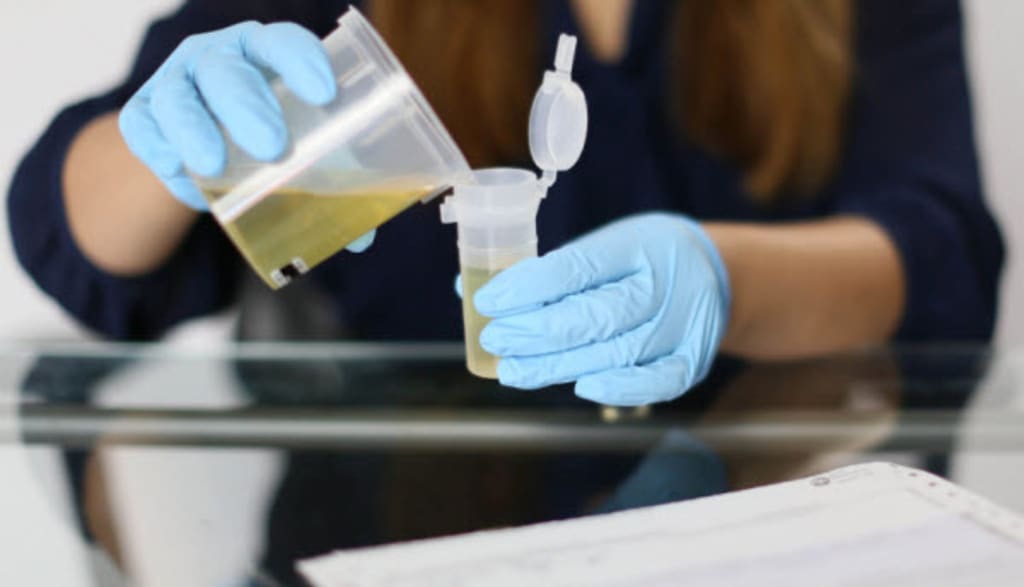
Alcohol consumption has become a topic of interest in various fields, ranging from employment screening to legal matters. To determine an individual's alcohol consumption, different testing methods are employed, including breathalyzers, blood tests, and urine tests. Among these, the EtG (ethyl glucuronide) test has gained significant attention due to its ability to detect alcohol consumption for an extended period.
In this article, I will delve into the world of EtG testing, exploring its detection window, factors influencing its presence in urine, and its applications in different scenarios.
Introduction
Alcohol consumption can have both short-term and long-term effects on the body. While breathalyzers and blood tests are effective in detecting recent alcohol use, they have limitations when it comes to identifying past alcohol consumption. This is where the EtG test comes into play. EtG is a metabolite that is produced when the body metabolizes alcohol, and it can be detected in urine for a longer duration compared to alcohol itself. Understanding the duration for which EtG can be detected in urine is crucial, as it impacts various aspects of an individual's life.
What is EtG?
EtG, or Ethyl Glucuronide, is a direct metabolite of ethanol, the primary alcohol found in alcoholic beverages. When alcohol is consumed, it is broken down by the liver into various metabolites, including EtG. Unlike alcohol, which is quickly eliminated from the body, EtG remains present in the urine for a more extended period, making it a reliable marker of alcohol consumption.
How does EtG testing work?
EtG testing involves analyzing urine samples to detect the presence of ethyl glucuronide. The test is highly sensitive and can detect even low levels of EtG, providing an accurate indication of alcohol consumption. It is often used in situations where long-term alcohol abstinence is required, such as workplace testing, legal matters, and treatment programs.
Factors Affecting EtG Detection in Urine
Several factors can influence the detection of EtG in urine. Understanding these factors is essential to interpret the test results accurately.
Amount and frequency of alcohol consumption
The amount of alcohol consumed and the frequency of consumption play a significant role in EtG detection. Higher alcohol intake and more frequent drinking can result in elevated levels of EtG in urine, making it easier to detect.
Metabolism rate
Individuals have different rates of alcohol metabolism, which can affect EtG detection. People with slower metabolism rates may have higher levels of EtG in their urine for a more extended period compared to those with faster metabolism rates.
Individual variations
Each person's body may metabolize alcohol and produce EtG differently. Factors such as genetics, liver function, and overall health can contribute to variations in EtG detection. It is important to consider individual differences when interpreting EtG test results.
Detection Window of EtG in Urine
The detection window for EtG in urine can vary depending on several factors. It is generally categorized into short-term and long-term windows.
Short-term detection window
In most cases, EtG can be detected in urine for up to 80 hours (approximately 3-4 days) after alcohol consumption. This timeframe provides a reliable indication of recent alcohol use.
Long-term detection window
For heavy or chronic alcohol consumption, EtG can be detected in urine for an extended period, ranging from several days to weeks. The exact duration depends on individual factors such as metabolism, hydration levels, and liver function.
EtG Testing Accuracy and Reliability
While EtG testing is highly sensitive and reliable in detecting alcohol consumption, it is not without limitations.
False positives and false negatives
EtG testing can sometimes result in false positives or false negatives. Certain medications, hygiene products, and even certain foods may contain small amounts of alcohol or ethanol, which can trigger a positive EtG test. Conversely, individuals who have consumed alcohol but have a faster metabolism or lower levels of EtG production may receive a false negative result.
Potential limitations
Although EtG testing has proven valuable in many scenarios, it does have potential limitations. Factors such as laboratory errors, sample contamination, and storage conditions can affect the accuracy of the test results. It is important to ensure proper procedures are followed during testing to minimize the potential for errors.
EtG Testing Applications
EtG testing has found applications in various fields due to its ability to detect alcohol consumption over a more extended period compared to other testing methods.
Employment and workplace testing
Many employers utilize EtG testing as part of their pre-employment screening or random testing protocols. By identifying individuals who engage in excessive alcohol consumption, employers aim to promote a safe and productive work environment.
Probation and legal matters
In legal cases involving alcohol-related offenses, EtG testing can be used to monitor individuals on probation or parole. It provides a means to ensure compliance with alcohol abstinence requirements set by the court.
Treatment programs and monitoring
EtG testing is commonly used in alcohol treatment programs to monitor individuals' progress and compliance with sobriety. It serves as an objective measure of alcohol consumption, aiding in the evaluation of treatment effectiveness and identifying potential relapses.
Factors Influencing EtG Elimination
The elimination of EtG from the body can be influenced by various factors.
Hydration levels
Maintaining adequate hydration levels can help facilitate the elimination of EtG. Drinking plenty of water and fluids can support the body's natural detoxification processes and reduce the detection window of EtG in urine.
Liver function
The liver plays a crucial role in metabolizing alcohol and eliminating EtG. Individuals with compromised liver function may experience a slower elimination rate, leading to an extended detection window.
Age and body weight
Age and body weight can impact the metabolism and elimination of EtG. Younger individuals and those with higher body weight may metabolize and eliminate EtG at a different rate than older individuals or those with lower body weight.
Tips for Managing EtG Testing
If you need to undergo an EtG test or want to ensure accurate results, there are several tips to keep in mind.
Avoiding alcohol consumption
The most effective way to pass an EtG test is to abstain from alcohol consumption altogether. By refraining from drinking, you eliminate the risk of triggering a positive EtG test result.
Staying hydrated
Maintaining proper hydration levels can support the body's natural detoxification processes. Drinking an adequate amount of water and fluids can help flush out toxins, including EtG, from the body.
Seeking professional advice
If you have concerns or questions regarding EtG testing, it is advisable to consult with a healthcare professional or an expert in the field. They can provide guidance tailored to your specific situation and help you make informed decisions.
Conclusion
The detection of EtG in urine has revolutionized alcohol testing, offering a longer window for detecting alcohol consumption. Understanding the factors that influence EtG detection, the accuracy of the test, and its various applications is crucial for individuals undergoing EtG testing or those involved in scenarios where alcohol use is monitored. By considering these factors and following the recommended tips, individuals can navigate EtG testing more effectively and ensure accurate test results.
About the Creator
US Health Testing
US Health Testing is a leading lab-based online drug testing service provider for employers and individuals across the USA. FDA approved & SAMHSA certified labs nationwide available. Schedule your tests online www.ushealthtesting.com
Keep reading
More stories from US Health Testing and writers in Journal and other communities.
Drug Testing Best Practices for Construction Employers: Ensuring Compliance and Safety
Drug testing is an essential practice in the construction industry, serving as a crucial element in maintaining compliance and ensuring workplace safety. With the potential hazards and risks associated with construction work, employers must prioritize the implementation of effective drug testing programs.
By US Health Testing3 years ago in Journal
TUS NUA - ch 53
TUS NUA – ch 53 New Beginnings – Mia and Midnight (*)(*)(*) Finola knew Ali’s brother-in-law needed to put his mind at rest. She fed her arm through his and led him outside. “We’ll sit here. If you like, I can put a block around us so our conversation will be private.”
By Margaret Brennana day ago in Fiction



Comments
There are no comments for this story
Be the first to respond and start the conversation.