
How Localization Improves Client Trust in International Markets
What is Localization, and Why Does It Matter?

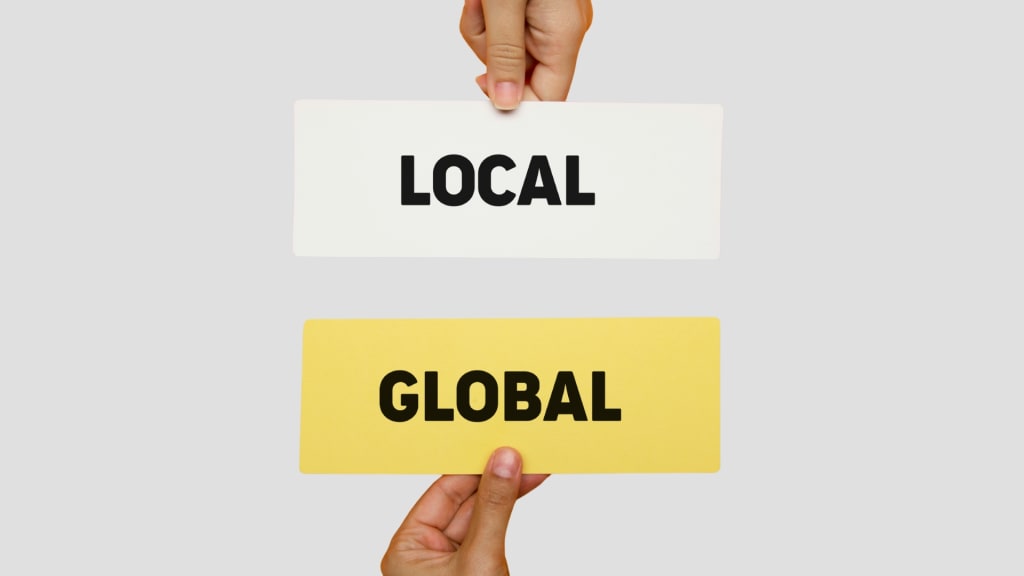
In the world of global business, effective communication is crucial to building long-term relationships. Localization is more than just translating a product or message into another language; it's about adapting every aspect of your business to resonate with a different cultural, social, and legal environment. Localization service involves a deeper level of customization to meet local expectations, preferences, and norms. Unlike basic translation, which simply changes words from one language to another, localization tailors content, products, services, and experiences to fit the local culture and market conditions.
For businesses expanding into international markets, client trust becomes one of the most important factors in achieving success. When clients feel confident in a company’s understanding of their needs and culture, they are far more likely to engage in long-term business relationships. Localization, when done properly, enhances this trust and can set your company apart in competitive global markets.
Why Localization Matters for Trust
Localization is not just about language, it's about culture, expectations, and creating an experience that feels relevant and authentic. Let’s explore the main ways localization builds trust in international markets:
1. Cultural Alignment: Respecting Local Customs, Idioms, and Tone
To resonate with international audiences, businesses must respect cultural nuances, local customs, and language. For instance, a message or advertisement that works well in one country may come across as insensitive or inappropriate in another. Take the example of the well-known Coca-Cola marketing campaign in China. When Coca-Cola launched in China, they localized their product packaging and advertisements, but a common idiom in the West, “Coca-Cola: Open Happiness,” was translated into Chinese as “Coca-Cola: Taste the happiness,” which was more in tune with local cultural sentiments.
This kind of adaptation helps build trust because it demonstrates that the brand cares about more than just selling products, it cares about aligning with local values, traditions, and beliefs.
2. Compliance with Local Legal and Regulatory Norms
Every country has its own legal and regulatory framework. In some regions, even the smallest detail, such as the way a product is labeled, can determine whether it is allowed to be sold. A business that fails to consider these local laws may not only lose clients but could also face legal ramifications.
Localization ensures that your business complies with local laws, whether they pertain to advertising, product specifications, health and safety standards, or labor laws. This proactive approach gives clients confidence that they are engaging with a business that understands the intricacies of their market and is invested in doing business ethically and legally.
3. Accurate and Culturally Relevant Translations for Contracts, Marketing, and Customer Support
Mistakes in translating contracts or customer support materials can cause significant issues. A poorly translated document can lead to misunderstandings that damage relationships with clients, partners, or employees. For instance, legal agreements should be translated by professionals who not only have linguistic proficiency but also an understanding of local legal terminology.
In marketing, culturally relevant translations that go beyond literal interpretation are essential. For example, a company promoting its product in Japan might need to adjust its messaging to emphasize community and harmony, which resonates better with Japanese cultural values.
Real-World Applications
1. Localized Websites, Product Manuals, and Customer Service
When businesses enter international markets, their websites should be localized, not just translated. This includes adapting the layout, design, and content to fit the preferences of the target audience. For instance, e-commerce websites might need to adjust payment methods, currency, shipping options, and even product offerings to suit local demand. Localized product manuals, too, need to ensure that technical language and images align with local preferences.
Customer service is another critical area where localization plays a key role. Offering 24/7 support in the local language, via preferred channels (such as WhatsApp in some countries or email in others), creates an environment of trust. For instance, Zappos, a U.S.-based online shoe and clothing retailer, has localized its customer service to provide local language support in various international markets, ensuring that customer queries are handled with sensitivity and understanding.
2. Adapting Marketing Campaigns to Fit Regional Values
A marketing campaign that succeeds in the U.S. may flop in Asia or Latin America if it isn’t localized to fit cultural values and communication preferences. For example, in many Asian cultures, advertisements that emphasize family values, respect for elders, or community are far more effective than those focusing solely on individual success. A brand like Nike, known for its individualistic messaging in Western markets, may need to adapt its campaigns in Japan by highlighting group success and collective achievement.
3. Case Study: Increasing Trust through Localization
A hypothetical case can illustrate this concept: Imagine a European fintech company expanding into Southeast Asia. To build trust, they must ensure that their website is not only available in the local languages but also showcases customer testimonials from similar cultural backgrounds. Additionally, their customer service representatives must be fluent in the local dialects and well-versed in regional financial regulations. By making these adjustments, the company increases its credibility, building trust with customers who otherwise might have been hesitant due to perceived cultural differences.
Localization in High-Stakes Sectors
Some sectors, such as finance, healthcare, and legal, involve high stakes, where trust is non-negotiable. Mistakes in these industries can be far more detrimental to both the brand and the customer.
1. Legal, Compliance, and Technical Documentation
In the legal and compliance sectors, localization is critical. Contracts, legal terms, and conditions must be translated with utmost precision, as an error could lead to disputes, misinterpretations, or even lawsuits. For instance, a translation mistake in an intellectual property contract could result in a business losing its rights to proprietary technology in a foreign market.
2. Avoiding Risks in Contracts and Financial Documents
Financial services companies often rely on cross-border contracts and agreements. Errors in financial documentation due to inaccurate translation could lead to severe losses, regulatory penalties, and damaged reputation. This makes it imperative for such companies to hire experienced, specialized translators who can handle industry-specific language.
3. How Errors in Translation Can Damage Credibility
A simple example of a translation blunder occurred with the American brand Gerber, which initially marketed its baby food in Africa with the same label it used in the U.S., a smiling baby on a jar. However, in some African cultures, the image was misunderstood as the product being a full meal for adults, not baby food. The company quickly realized the importance of understanding cultural differences in marketing. This error affected their initial expansion, showing how a lack of cultural localization can damage trust in even well-known brands.
Strategic Benefits Beyond Trust
While trust is a key outcome, there are additional strategic benefits to localization.
1. Improved Brand Perception
Localization helps shape the perception of your brand in international markets. When clients perceive that a company is attuned to their needs, they are more likely to view it as a global leader rather than a company that is trying to force-fit a one-size-fits-all approach. This improved perception leads to stronger relationships and increased market share.
2. Increased Customer Loyalty and Repeat Business
When businesses localize their offerings, they not only attract customers but also retain them. Localized products, services, and communication strategies make customers feel valued and understood, which drives loyalty. In a world where businesses compete for attention, loyalty is a crucial asset.
3. Competitive Advantage in Global Markets
Companies that successfully localize their operations can gain a competitive edge over those that don’t. By meeting the specific needs of local markets, businesses position themselves as customer-centric and agile, two qualities that can make a significant difference in highly competitive markets.
Challenges and Solutions
Despite its importance, localization comes with challenges.
1. Cost and Resource Allocation
The process of localizing products and services can be costly, especially when it involves multiple languages and markets. However, businesses can mitigate these costs by strategically selecting markets and focusing on high-value regions that offer the greatest potential.
2. Managing Consistency Across Markets
Maintaining consistency in branding, messaging, and product quality across multiple markets is difficult but crucial. A unified global strategy combined with localized tactics can ensure that a brand remains cohesive while resonating with local audiences.
3. Leveraging Professional Human Translators and Cultural Consultants
One of the best ways to overcome localization challenges is by working with experienced, professional human translators and cultural consultants. These experts can ensure that translations are both accurate and culturally appropriate, avoiding the potential pitfalls of relying solely on machine translation.
Conclusion: Localization as an Investment, Not an Expense
Localization is a powerful tool for building trust in international markets. By investing in localization, businesses can improve customer satisfaction, enhance brand perception, and gain a competitive advantage. In high-stakes sectors, where errors in translation or missteps in cultural understanding can have far-reaching consequences, the value of localization cannot be overstated.
As businesses grow globally, they must view localization not as an added cost but as an investment in their long-term success. Understanding and respecting local markets leads to trust, and trust, in turn, leads to enduring client relationships.
About the Creator
Beth Worthy
Beth Worthy is President of GMR Transcription Services, Inc., a U.S. company offering 100% human transcription, translation, and proofreading for academic, business, legal, and research clients.
Keep reading
More stories from Beth Worthy and writers in Journal and other communities.
Top 5 Legal Transcription Companies Compared
Legal transcription plays a crucial role in the daily operations of law firms, courts, and legal professionals. It ensures that depositions, court hearings, interviews, and dictations are accurately recorded and can be referred to at any time during legal proceedings. As we approach 2025, the demand for transcription services that are accurate, secure, and delivered promptly is higher than ever. With so many transcription companies claiming to provide these services, how do you choose the best one for your needs?
By Beth Worthy6 months ago in Journal
The goals I did not achieve
Every writing goal I made for the year is a wash. It has been this way for a while, but I think it's important to be open about my failures and the reality of how life can get in the way. This is especially true considering the several times I have posted on Vocal about my writing goals, how I was changing my approach, and where I was hoping to be for the upcoming year. I will probably do that again in a couple months, but for now, it is time to acknowledge where I am today.
By Kay Husnick20 days ago in Journal
What the Catholic Church Means by “Sacrament” and Why They Matter
The Catholic Church teaches that God is not distant or invisible in our daily lives but comes to us in real, tangible ways. One of the primary ways He does this is through the sacraments. While some people may think of sacraments as symbolic rituals or merely traditional ceremonies, the Catholic understanding goes much deeper. Sacraments are outward signs instituted by Christ that confer grace, and they are central to Catholic faith, worship, and spiritual life.
By Sound and Spirita day ago in Journal



Comments
There are no comments for this story
Be the first to respond and start the conversation.