
How LED Grow Lights Can Revolutionize Your Indoor Plant Growth
LED Grow Lights

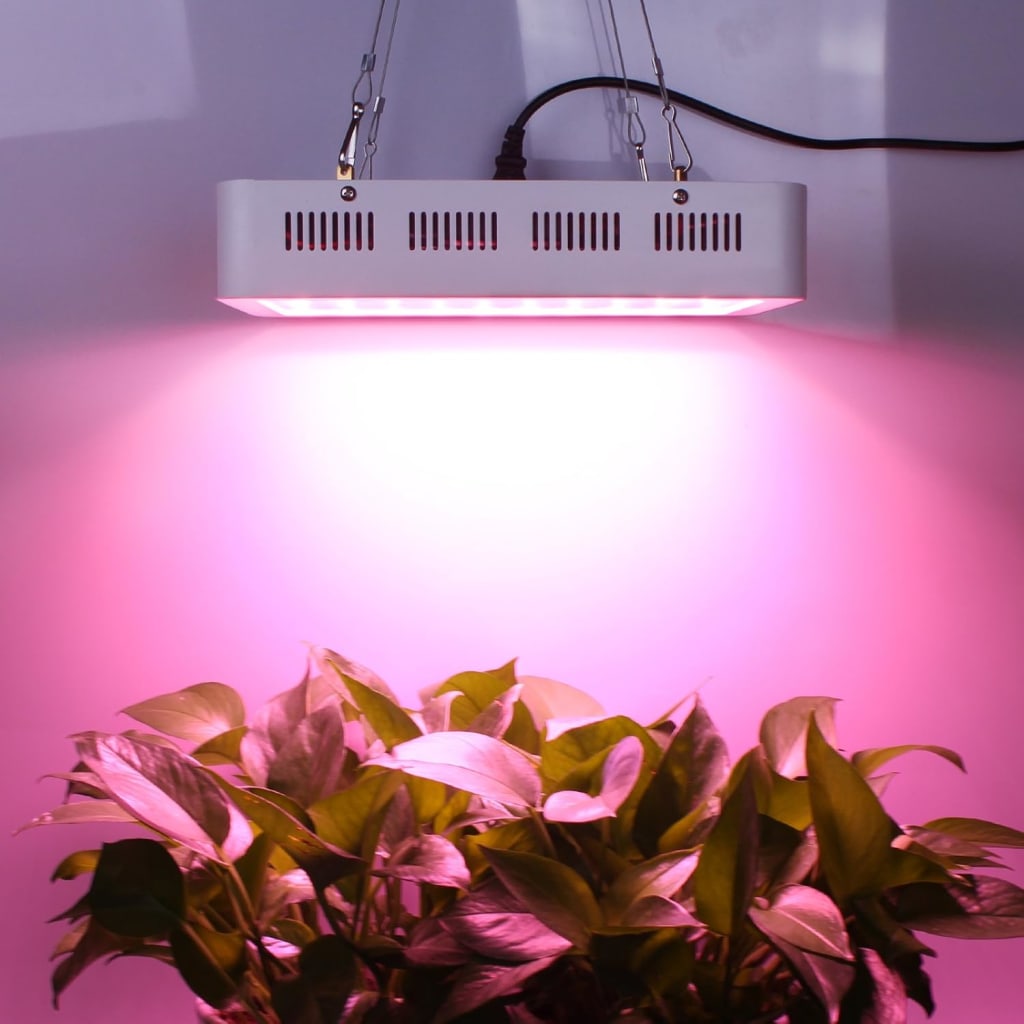
Indoor gardening is popular among enthusiasts and commercial growers alike. But growing healthy, thriving plants indoors often requires more than just soil and water. A key component of a successful indoor garden is the type of lighting you use. LED grow lights have emerged as a powerful solution. It offers an efficient alternative to traditional lighting systems. This article explores how LED grow lights can transform the growth of indoor plants. And why are these lights a smart choice for home gardeners and commercial farmers?
Why Choose LED Grow Lights for Indoor Gardening?
Efficient Energy Usage
One of the main benefits of LED Grow Lights is their energy efficiency. Unlike traditional lighting systems such as high pressure sodium (HPS) and metal halide (MH), LED grow lights use significantly less energy to provide the optimal light wavelength for plant growth. This feature makes it ideal for reducing operating costs... Especially for- professional size or setup of LED Grow Light.
Customized Spectrum for Better Growth
Plants require a specific light spectrum to photosynthesize efficiently. LED grow lights provide an adjustable spectral output. This allows growers to target the exact wavelengths their plants need. This ability increases photosynthetic activity and accelerates plant growth without wasting energy at unnecessary wavelengths. This feature is especially useful for commercial LED garden lighting users who require uniform, controlled illumination for large indoor installations.
How LED Grow Lights Impact Different Stages of Plant Growth
Seedling Stage: Promoting Strong Roots
Plants in the seedling stage are delicate and require careful use of moderate lighting. LED grow lights produce low heat. Reduce the risk of leaf and root burn by using LED grow lights that emit specific blue wavelengths. You can promote strong root development. This lays the foundation for a healthy plant life cycle.
Vegetative Stage: Encouraging Lush Foliage
When plants transition from seedling to growth stage Plants require more intense light. Commercial LED grow lights often come with a high-intensity adjustable setting to accommodate this distance. By increasing the blue and white light spectrum, LED grow lights promote lush foliage growth. This ensures that the plants are ready for the flowering stage.
Flowering Stage: Maximizing Flower and Fruit Yield
The flowering stage requires that the red color be converted to far red wavelengths. High quality LED grow lights provide precise control of these light spectrums. Adjust flowering and fruiting conditions appropriately. This versatility not only increases production. But they also improve the quality of the flowers and fruit produced. Commercial LED grow lights are a good choice for large scale farmers who aim to maximize crop yields while maintaining quality.
Advantages of Using LED Grow Lights for Commercial Growers
Reduced Heat Emission
Compared to traditional lighting systems, LED grow lights produce much less heat. This reduction in heat output has several benefits. First, it reduces the need for expensive cooling systems. This leads to savings in energy costs. In addition, low temperatures reduce the risk of plant stress and damage. This allows growers to place lights closer to plants to improve light absorption. Commercial LED grow lights are designed to maintain a consistent temperature. which is required for large scale operations
Long Lifespan and Low Maintenance
Different from traditional growth lights That need to be replaced frequently. LED grow lights are known for their durability. Most high quality commercial LED grow lights have a lifespan of up to 50,000 hours, reducing the frequency and cost of long-lasting replacements. This makes it a cost-effective option for both commercial and home producers.
Eco-Friendly Solution
As the world moves towards sustainable practices Environmental friendliness has become an important consideration in every industry. Including indoor gardening, LED grow lights are an environmentally friendly alternative to traditional grow lights. They use less energy and contain no toxic elements such as mercury by choosing professional LED grow lights. Growers can participate in a friendly environment that optimizes plant growth.
Factors to Consider When Selecting LED Grow Lights
Light Intensity and Coverage Area
The first thing to consider when choosing LED Grow Lights is the light intensity and coverage area. For home gardeners A small to medium sized unit should be sufficient, however, if you are a commercial grower. It is important to choose commercial LED garden lights that have sufficient intensity coverage. In order to meet the needs of large-scale indoor operations.
Adjustable Spectrum Control
Not all plants have the same light requirements. And different growing stages require different light spectrums. When choosing LED Grow Lights, look for models with adjustable spectrum. This flexibility can greatly improve plant health and yield.
Cost vs. Quality
Although the initial cost of LED grow lights may seem high compared to traditional lights, But the energy savings and long-term maintenance make it a smart investment. Consider the balance between cost and quality. Especially if you are investing in commercial LED garden lights for a large operation. Higher quality lights may have a higher upfront cost. But durability and performance often justify the investment.
Tips for Effective Use of LED Grow Lights
Maintain Proper Distance
A common mistake new growers make is positioning their lights too close to their plants, even though LED grow lights emit less heat. But being too close can also stress or damage the leaves. Follow the manufacturer's instructions to determine the optimal distance between your lights and your plants.
Monitor and Adjust Light Duration
Plants require different photoperiods depending on their growth stage. in the growth stage Plants often require a longer photoperiod, typically 16-18 hours. On the other hand, the flowering stage may require a shorter light cycle, such as 12 hours. LED Grow Lights make it easy to monitor and adjust the light duration. Help you get the best results.
Rotate and Reposition
For indoor gardening with many plants Rotating and repositioning plants regularly can help with light as well. This practice helps ensure that all of your plants receive the consistent light they need to thrive.
Conclusion
LED grow lights have proven to be a game changer in indoor gardening. It offers a number of advantages over traditional lighting methods. From energy efficiency and adjustable light spectrum to reducing heat emissions and long service life These lights have revolutionized the way home and commercial LED grow light users approach indoor plant cultivation by choosing the right LED Grow Lights for their plants.... By understanding the requirements and maintenance with appropriate conditions You can cultivate a thriving, healthy indoor garden all year long.
Whether you are a home gardener looking to improve the growth of your indoor plants or a professional grower looking to increase yield and quality, LED Grow Lights are a smart investment. These lights are increasingly innovative and sustainable for indoor gardens. Because of its functionality and versatility. They pave the way for action.
About the Creator
California LightWorks
Illuminate your indoor crops with California LightWorks, the premier choice for the best LED grow lights. Experience optimal growth and maximum yields with our cutting-edge LED technology.
Keep reading
More stories from California LightWorks and writers in Journal and other communities.
Step-by-Step Guide to Installing LED Grow Lights
If you're eager to develop healthy plants indoors, LED grow light fixtures can be your best friend. With the right installation, these lights can create a surest growing environment in your plants. So, how do you go approximately installing them? This guide will walk you through every step of the method, ensuring precisely the way to install LED grow lights in your indoor garden.
By California LightWorksabout a year ago in Journal
Fire Suppression Systems vs Fire Sprinkler Systems: The Differences Explained
Fire suppression systems and fire sprinkler systems may seen similar, but they serve very different purposes. Whilst both are automatic fire protection systems designed to control or extinguish fires, they are technically and functionally different. Choosing the wrong system can result in unnecessary damage, higher downtime, or inadequate protection.
By Tom Hughes3 days ago in Journal



Comments
There are no comments for this story
Be the first to respond and start the conversation.