
How Is the Clinical Decision Support Systems (CDSS) Market Transforming Data-Driven Healthcare Decision-Making?
The U.S. Department of Health and Human Services’ 2023 certification updates—are incentivizing the integration of active CDSS systems within EHR workflows. These policies are aligning public health objectives with digital transformation goals.
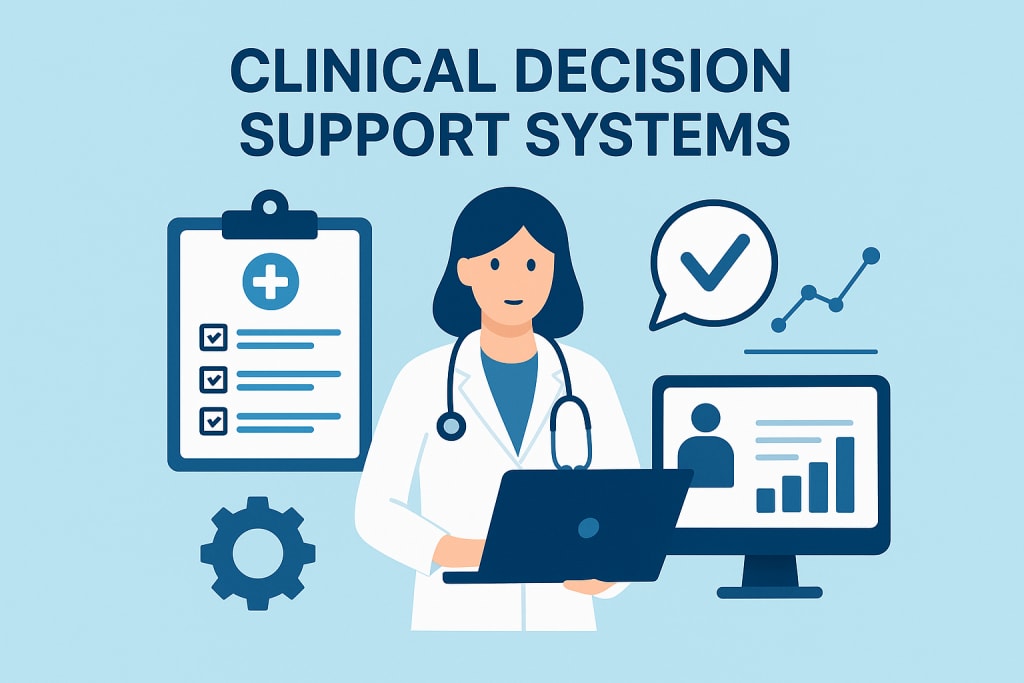
The global clinical decision support systems (CDSS) market is on a rapid growth trajectory, projected to reach USD 3.89 billion by 2030 from USD 2.46 billion in 2025, reflecting a CAGR of 9.6%. As healthcare systems shift toward value-based care, CDSS solutions are emerging as strategic tools that enhance diagnostic accuracy, reduce medical errors, and improve patient outcomes. For C-level executives and healthcare leaders, CDSS investments are no longer optional—they are pivotal to achieving operational efficiency, compliance, and clinical excellence in a data-driven era.
What’s Driving the CDSS Market’s Expansion?
The global healthcare landscape is undergoing a profound transformation, marked by digitization, interoperability, and precision medicine. Several key growth drivers are propelling the CDSS market forward:
• EHR Integration and Healthcare IT Adoption:
The widespread adoption of electronic health records (EHRs) provides the foundation for CDSS functionality. Seamless integration between EHRs and CDSS tools enables clinicians to access actionable insights directly within their workflows, minimizing disruption and accelerating clinical decision-making.
• Rising Chronic Disease Burden:
With the increasing prevalence of conditions such as cardiovascular diseases, diabetes, and cancer, the need for personalized, data-backed treatment decisions is more urgent than ever. CDSS platforms enable tailored care plans, improving treatment precision and long-term patient outcomes.
• AI, Machine Learning, and Predictive Analytics:
Advanced AI algorithms, natural language processing (NLP), and predictive models are redefining the potential of CDSS platforms. These tools not only assist clinicians in real-time diagnostics but also predict complications, optimize resource utilization, and enhance population health management.
• Value-Based Care and Cost Containment:
As healthcare organizations worldwide transition from fee-for-service to value-based models, CDSS systems provide measurable ROI through reduced readmissions, minimized adverse events, and improved efficiency across clinical workflows.
Why Strategic Partnerships Are Redefining the Competitive Landscape
Strategic collaborations are reshaping how CDSS solutions are deployed and scaled across healthcare ecosystems. Partnerships between technology providers, healthcare organizations, and research institutions are unlocking new possibilities.
• Epic Systems and Microsoft (2023):
Their collaboration integrated AI-driven CDSS capabilities directly into Epic’s EHR platform, enhancing clinical efficiency and predictive accuracy.
• Wolters Kluwer Health:
Through its UpToDate platform, the company leverages machine learning to deliver evidence-based, context-specific recommendations—empowering clinicians with real-time, data-driven decision support.
These alliances exemplify a broader industry shift toward interoperable, intelligent, and adaptive healthcare ecosystems. For executive decision-makers, strategic partnerships not only accelerate innovation but also ensure scalability and long-term sustainability.
Market Segmentation: Where Growth Opportunities Lie
1. By Delivery Mode: On-Premise vs. Cloud-Based
In 2024, on-premise CDSS solutions account for the largest market share, driven by the demand for data control, security, and customization among large healthcare systems and multispecialty hospitals. These institutions prioritize solutions that safeguard sensitive patient data within their infrastructure while allowing flexible integration with existing IT systems.
However, cloud-based CDSS solutions are gaining traction—especially among smaller healthcare providers and outpatient facilities—owing to their scalability, cost-efficiency, and reduced IT overhead. Cloud deployment models will continue to see robust growth as cybersecurity frameworks strengthen globally.
2. By Interactivity Level: Active vs. Passive CDSS
The active CDSS segment is projected to be the fastest-growing category, as hospitals and clinics increasingly adopt real-time, alert-based systems. These solutions deliver contextual recommendations and alerts at the point of care, ensuring timely interventions and improved patient safety.
Where Regional Markets Are Heading
North America: The Market Leader
North America continues to dominate the CDSS market, driven by advanced healthcare infrastructure, regulatory support, and early adoption of digital health technologies. The U.S. leads in both innovation and implementation, with major players like Oracle, Epic Systems, and Merative pushing the boundaries of AI-powered CDSS applications.
Asia Pacific: The Fastest-Growing Frontier
The Asia Pacific region is expected to experience the highest CAGR through 2030, fueled by:
• Rising healthcare expenditure and infrastructure modernization
• Rapid digitalization driven by national initiatives such as India’s Ayushman Bharat Digital Mission and China’s Health Information System reforms
• A surge in public-private partnerships and cross-border collaborations with multinational health IT providers
The region’s growing focus on affordable, scalable digital health solutions makes it a hotspot for CDSS vendors seeking market expansion.
Who Are the Key Players Shaping the Future?
The competitive landscape is characterized by innovation, consolidation, and partnerships. Leading companies include:
Wolters Kluwer N.V. (Netherlands), Oracle (US), Merative (US), Change Healthcare (US), Epic Systems Corporation (US), Elsevier B.V. (Netherlands), Philips (Netherlands), GE HealthCare (US), Siemens Healthineers (Germany), and athenahealth (US).
These firms are investing heavily in:
• AI-based evidence engines
• Interoperability and data integration
• Personalized decision support modules
• Cloud migration and cybersecurity frameworks
Their strategies aim to position CDSS solutions not just as clinical tools—but as strategic assets that enhance ROI, compliance, and operational agility.
Conclusion
The global clinical decision support systems market is entering a transformative era—where AI, big data, and predictive analytics converge to redefine healthcare delivery. For executive leaders, strategic investment in CDSS solutions is not merely about digitizing workflows—it’s about building a smarter, more resilient healthcare ecosystem capable of delivering consistent value and measurable outcomes.
Organizations that harness the full potential of CDSS will not only improve patient care but also secure a competitive advantage in an increasingly data-centric healthcare economy.
About the Creator
Keep reading
More stories from Miss Prachee Bhartiya and writers in Journal and other communities.
Minimally Invasive Surgical Instruments: Transforming Precision, Safety, and Patient Recovery Across the United States
Minimally invasive surgical instruments are reshaping the landscape of healthcare across the United States, offering surgeons enhanced precision, improved visualization, and greater control during complex procedures. These advanced tools—ranging from laparoscopic devices and endoscopic systems to robotic-assisted instruments—are redefining how surgical teams approach patient care, while empowering individuals with faster recovery times, fewer complications, and improved long-term results. As US hospitals and surgical centers continue to embrace innovation, minimally invasive solutions are supporting a new era of safe, efficient, and patient-centered surgical practices.
By Miss Prachee Bhartiyaabout a month ago in Journal
The goals I did not achieve
Every writing goal I made for the year is a wash. It has been this way for a while, but I think it's important to be open about my failures and the reality of how life can get in the way. This is especially true considering the several times I have posted on Vocal about my writing goals, how I was changing my approach, and where I was hoping to be for the upcoming year. I will probably do that again in a couple months, but for now, it is time to acknowledge where I am today.
By Kay Husnick20 days ago in Journal
A Comprehensive Guide to Starting a Mental Health Business and Building Client Trust
Introduction: The Rising Demand for Mental Health Services The modern era has witnessed an escalating recognition of psychological well-being as a central pillar of human flourishing. Increasing stressors, social isolation, and rapid technological change have heightened the need for accessible mental health services. Starting a mental health business responds not merely to economic opportunity but to a profound societal imperative. With thoughtful planning and unwavering ethical grounding, such a venture can become both sustainable and transformative, supporting individuals in reclaiming equilibrium and emotional resilience.
By Fida Hassain3 days ago in Journal



Comments
There are no comments for this story
Be the first to respond and start the conversation.