
How Insulation Prevents Mold Growth
Mold Growth Stoping Process

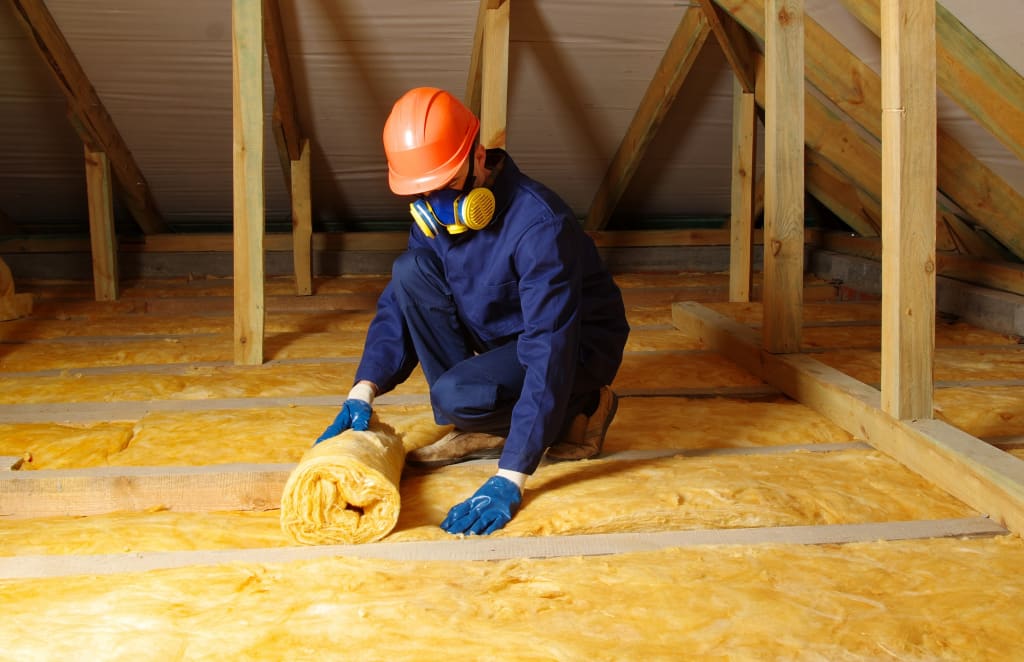
Mold is a serious problem that can damage your home and pose health risks to you and your family. One of the most effective ways to prevent mold growth is by ensuring your home is properly insulated. Insulation helps regulate temperature, control moisture, and prevent condensation—three key factors that contribute to mold formation.
In this article, we’ll explore how insulation prevents mold growth and why investing in high-quality insulation is essential for a healthy, mold-free home. If you need expert insulation services, Century Insulation is here to help!
1. Understanding How Mold Grows in Homes
Mold thrives in damp, humid environments where moisture is present for an extended period. It can grow on walls, ceilings, insulation, carpets, and even furniture.
Key Factors That Contribute to Mold Growth:
✅ Moisture – The leading cause of mold growth, often due to leaks, condensation, or high humidity.
✅ Warmth – Mold grows faster in temperatures between 60–80°F.
✅ Poor Airflow – Stagnant air prevents moisture from evaporating, allowing mold to flourish.
✅ Organic Material – Mold feeds on wood, drywall, insulation, and dust, breaking down materials over time.
Without proper insulation, moisture can accumulate inside walls, ceilings, and crawl spaces, creating the perfect conditions for mold growth.
2. How Insulation Helps Prevent Mold Growth
Proper insulation acts as a barrier against moisture and temperature fluctuations, preventing mold from taking hold in your home. Here’s how:
A. Reduces Condensation
Condensation occurs when warm air meets cold surfaces, creating moisture droplets. This often happens in:
Attics
Basements
Crawl spaces
Walls and ceilings
✅ Solution: Installing high-quality insulation helps keep surfaces warm, reducing the risk of condensation. Materials like spray foam and rigid foam board are particularly effective in moisture-prone areas.
B. Controls Humidity Levels
High humidity levels inside your home can lead to mold problems, especially in areas like bathrooms, kitchens, and basements. Insulation helps by maintaining indoor temperatures and reducing excess moisture.
✅ Solution: Use insulation materials like fiberglass, cellulose, or spray foam, which help regulate humidity and reduce the chances of mold growth.
C. Prevents Water Intrusion
Water leaks from roofs, windows, pipes, and foundation cracks can lead to mold infestations. Poor insulation allows moisture to seep into walls, making the problem worse.
✅ Solution: Properly sealed insulation creates a barrier against water intrusion. Closed-cell spray foam insulation is especially effective in waterproofing homes and preventing mold growth.
D. Improves Ventilation and Airflow
Lack of proper airflow can trap moisture in your home, allowing mold to grow. Good insulation helps by:
Keeping attics and crawl spaces well-ventilated
Reducing air stagnation
Preventing hot and cold spots that lead to condensation
✅ Solution: Pair insulation with proper ventilation to ensure moisture doesn’t get trapped inside your home.
3. Best Insulation Materials for Mold Prevention
Not all insulation materials are equally effective at preventing mold. Here are the best options for keeping your home dry and mold-free:
A. Spray Foam Insulation
✅ Best for: Attics, walls, and basements
✅ Why? Spray foam seals gaps and cracks, preventing air and moisture infiltration. It’s also moisture-resistant, meaning mold cannot grow on it.
B. Rigid Foam Board
✅ Best for: Basements, crawl spaces, and exterior walls
✅ Why? This material is waterproof and does not absorb moisture, making it ideal for preventing mold.
C. Fiberglass Insulation (With Proper Installation)
✅ Best for: Walls and ceilings
✅ Why? Fiberglass itself is mold-resistant, but it must be properly installed with a vapor barrier to prevent moisture buildup.
D. Cellulose Insulation (Treated with Borate)
✅ Best for: Walls and attics
✅ Why? Cellulose insulation is treated with borate, which provides natural mold resistance. However, it must remain dry to be effective.
4. Signs of Mold Growth Due to Poor Insulation
If your home has ineffective or damaged insulation, you may start to notice signs of mold growth, including:
🚨 Musty odors – A strong, damp smell indicates mold presence.
🚨 Discolored walls or ceilings – Yellow, brown, or black spots suggest moisture damage.
🚨 Peeling paint or wallpaper – This often happens when moisture gets trapped behind walls.
🚨 Increased allergies or respiratory issues – Mold spores can cause coughing, sneezing, and asthma symptoms.
If you notice any of these signs, you may need to replace or upgrade your insulation.
5. Additional Ways to Prevent Mold Growth in Your Home
While insulation plays a key role in mold prevention, combining it with other moisture control methods ensures maximum protection.
✔ Fix leaks immediately – Regularly inspect your roof, pipes, and windows for leaks.
✔ Use dehumidifiers – Maintain indoor humidity below 50% to discourage mold growth.
✔ Improve drainage around your home – Ensure gutters and downspouts direct water away from your foundation.
✔ Seal cracks and gaps – Close any openings where moisture can enter.
✔ Ventilate properly – Use exhaust fans in bathrooms and kitchens to prevent moisture buildup.
By combining high-quality insulation with these strategies, you can effectively prevent mold and improve your home’s indoor air quality.
Final Thoughts
Proper insulation is a critical defense against mold growth. It helps control moisture, regulate temperature, and prevent condensation, creating a dry and healthy home. Investing in the right insulation materials can save you from costly mold problems and protect your family’s health.
About the Creator
Muhammad Hassan
I have been a digital marketer for a long time, but digital marketing goes beyond my career. It has been close to my heart.
A prolific writer by day and avid reader by night,
Founder of Pakseos.com
Keep reading
More stories from Muhammad Hassan and writers in Journal and other communities.
The Ultimate Guide to Long-Lasting Party Makeup
Picture this: You're all glammed up for a night out, ready to hit the dance floor and make unforgettable memories. But as the hours pass by, your flawless makeup starts to fade, smudge, and lose its luster – leaving you feeling less like a party queen and more like a tired pumpkin about to turn back into ordinary.
By Muhammad Hassan2 years ago in Journal
It's Been ... A Week?
Not a lot to talk about this week. Perhaps I should make a list of ideas for "filler" material I can talk about for when this happens. I'm already thinking of doing a few more video game blog posts, which is the whole reason I started writing here.
By Max Brooks2 days ago in Journal
Pearl
1980 something. we all hung out at Pearl and you and i were nothing special, or so i thought. i mean we all danced, drenched in our own sweat, our own saline solution of fear, too many beers, shots, laughter, tears, fucks in the bathroom and i don't know when we began to be afraid. do you?
By ROCK aka Andrea Polla (Simmons)7 days ago in Fiction



Comments
There are no comments for this story
Be the first to respond and start the conversation.