
How Handling Angry Customers Taught Me Patience and Grew My Business
handling angry customers taught me patience, empathy, and actionable strategies to grow my business.

Running a business isn’t just about selling products—it’s about managing relationships, solving problems, and constantly adapting. A few years ago, I thought I had it all figured out. My sales were steady, my website was running, and I assumed I knew exactly what my customers wanted. I had spreadsheets, automated emails, and analytics showing me trends, and yet, reality soon proved me wrong.
One afternoon, a long-time customer sent an email, furious about a delayed order. Her words were sharp, her frustration palpable. At first, I felt defensive. “It’s not my fault; the courier messed up!” I thought. I tried to justify myself in my head while reading her message repeatedly. But then more emails started coming in. Messages piled up, each with a different issue. Some were simple complaints about product use, others were about delays, and a few were frustrated follow-ups from customers who had received incorrect information.
I remember sitting at my desk, feeling completely overwhelmed. My team was small, and I was trying to manage everything alone. I felt stressed, exhausted, and unsure if I could continue handling the business under this constant barrage. My instinct was to push back, to defend myself, or even to ignore some of the messages, hoping the problem would go away. But deep down, I knew that wasn’t the answer.
It was in that moment I made a decision that changed everything: I would listen actively. I realized angry customers weren’t enemies—they were offering the clearest feedback on where my business was failing. Their complaints highlighted issues I had overlooked: unclear shipping policies, vague product descriptions, slow responses, and sometimes, even my own inconsistent follow-up.
I began documenting every recurring issue. I noted patterns in complaints, the language customers used, and the questions that kept coming up. I also reflected on my own responses. How often had I answered emails quickly but without real attention to the customer’s feelings? How often had I assumed customers were overreacting rather than looking at the root cause?
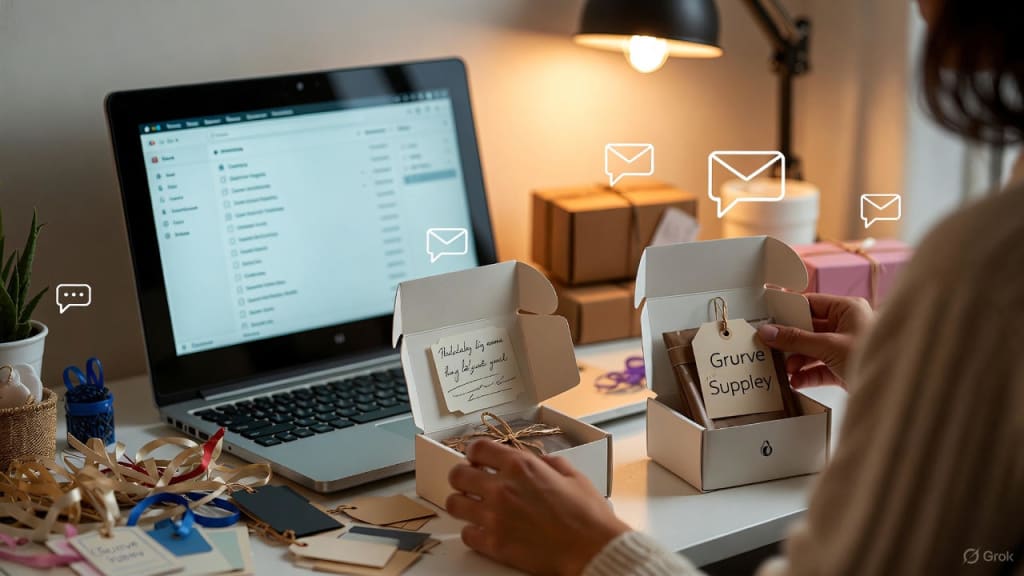
From this analysis, I started implementing changes—one small step at a time. I rewrote product descriptions in clear, friendly language, updated FAQs to directly address recurring questions, and slowed down my replies to ensure they were thoughtful and empathetic. I also experimented with small gestures, like including a brief handwritten note in boxes for certain orders. It wasn’t about the boxes themselves; it was about showing attention to detail and care.
Handling angry customers forced me to practice patience like never before. I learned to separate my emotional reaction from my professional responsibility. Instead of seeing frustration as a personal attack, I began seeing it as guidance. I started asking myself: “How would I want to be treated if I were the customer?” This mindset shift changed not only my approach to emails but also how I approached team communication and problem-solving in general.
Slowly, I noticed a change. Customers who had once been angry began to respond with appreciation. Emails that started with frustration ended with gratitude. Complaints decreased, repeat orders increased, and referrals started coming in. The impact was tangible, but the real transformation was in my mindset. I became calmer, more organized, and more intentional in how I handled both my team and my customers.
Beyond these practical results, I learned a deeper lesson: growth isn’t about avoiding challenges—it’s about addressing them thoughtfully, consistently, and empathetically. Every angry email became an opportunity to refine processes, improve communication, and deepen relationships. It taught me that customer loyalty is earned through patience, empathy, and small acts of care—not through shortcuts or gimmicks.
The experience also made me appreciate the importance of small, deliberate improvements in day-to-day operations. Whether it was streamlining order processing, clarifying instructions, or adding minor personal touches to customer interactions, these incremental changes compounded over time. Customers noticed. They felt valued. And they returned—not just for the products, but for the experience of being heard and understood.
Looking back, I realize that the moments I wanted to give up were the exact moments that shaped my business. Handling difficult customers didn’t just save orders; it taught me resilience, humility, and the importance of systems built around empathy. The small gestures, attentive responses, and even a brief note in a personalized display boxes became symbols of a bigger philosophy: care first, transactions second.
Bottom Line
Difficult customers aren’t obstacles—they’re opportunities to grow, learn, and strengthen relationships. By responding patiently, documenting recurring issues, and addressing concerns with empathy, businesses can turn frustration into loyalty. Growth comes from understanding your customers, making thoughtful improvements, and consistently showing care—even through subtle, meaningful gestures.
About the Creator
Cristina Baker
I’m Cristina Baker, a business and market expert with 8+ years of experience helping brands and entrepreneurs grow. I share insights, strategies, and ideas that inspire growth, spark curiosity, and turn challenges into actionable results.
Keep reading
More stories from Cristina Baker and writers in Journal and other communities.
How Listening to Customers Helped Me Fix My Business Before It Broke
A year ago, I thought I understood my customers perfectly. I checked analytics, monitored sales, and watched which products were trending. But the truth hit me hard one afternoon when a long-time customer emailed saying she loved the brand… but didn’t feel heard anymore.
By Cristina Baker3 months ago in Journal
~ Fired ~
— Ai Intrusion ~ Are you Next ~ Is Ai Evolution after your job? — Few workplaces haven't been affected. Ai is in supermarkets, at doctors' offices, and even monitoring farms. I just can't think of anything this machine is not getting into, can you? For instance: Education ~ Law and Tech jobs will one day have a major influence or be taken over by these inanimate machines, with accuracy and vigor. From mechanics' diagnoses to a wide variety of everyday jobs, including fast food workers, with this input having the ability to cut their unnecessary work hours. I'm certain all of us have been touched by this with our short stories and colorful headings, have you? Even comments are very questionable 'Non-Robot' insertions.
By Jay Kantor27 days ago in Journal
Doctor of Medicine and Surgery (MD) Program with Clinical and Advanced Practice
The landscape of healthcare education is undergoing a fundamental shift. In decades past, the journey of a medical student was largely confined to lecture halls and libraries, with practical experience often coming late in the academic cycle. However, the complexity of modern medicine and the increasing globalization of healthcare systems have demanded a more integrated approach. Today, the most effective educational models are those that fuse rigorous clinical sciences with immediate, practical training, creating a seamless transition from the classroom to the clinic.
By Muhammad Owaisabout 21 hours ago in Journal



Comments
There are no comments for this story
Be the first to respond and start the conversation.