
How Fabric Printing Techniques Enhance Fabric Quality and Design
Sustainable Fabric Printing Solutions

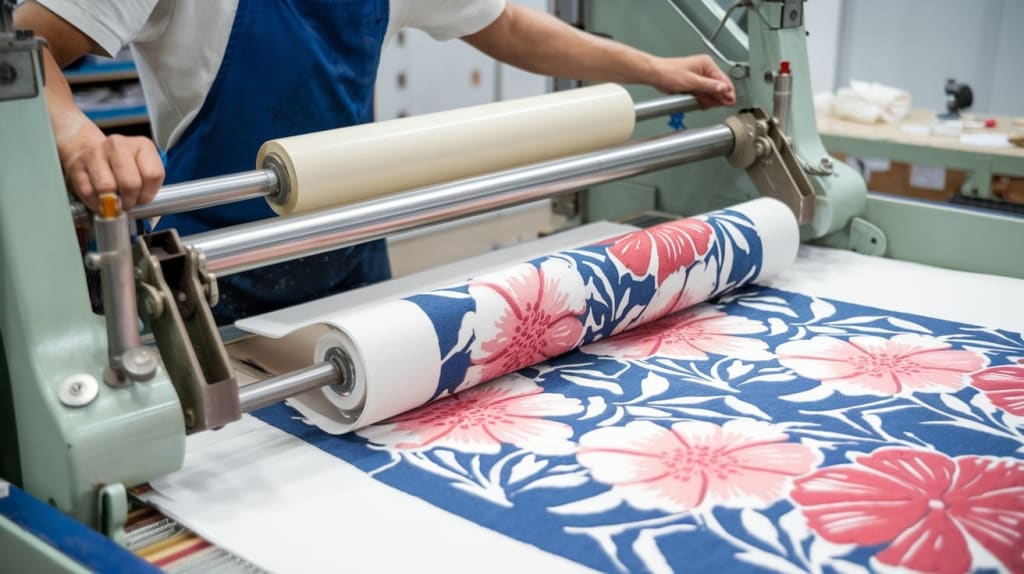
Fabric printing is an essential part of textile manufacturing, allowing designers and manufacturers to introduce creative designs and unique patterns that elevate fabric quality and appeal. From adding vibrant colors to intricate designs, fabric printing techniques are responsible for much of the aesthetic and functional qualities of fabrics used in fashion, upholstery, and many other industries. In this article, we will delve deep into how fabric printing enhances fabric quality and design, explore the different techniques used in fabric printing, and discuss the benefits of custom fabric printing for various applications.
Understanding Fabric Printing and Its Significance
Fabric printing is a process of applying color, patterns, or designs to fabric using various techniques. Unlike dyeing, where the entire fabric is immersed in color, fabric printing allows for specific designs to be applied to the surface of the fabric. This process not only adds beauty and uniqueness to the fabric but also plays a significant role in its quality and durability.
For textile manufacturers and designers, fabric printing is a crucial tool for innovation and differentiation. It enables them to create exclusive fabrics with vibrant colors, detailed patterns, and high-end finishes that appeal to consumers. Fabric printing has evolved with technology, offering solutions like digital printing and eco-friendly methods that meet the growing demand for sustainable fashion.
The Role of Fabric Printing in Enhancing Fabric Quality
Fabric printing directly impacts both the aesthetic and the functional qualities of textiles. The following factors highlight how fabric printing improves fabric quality:
1. Vibrant Color and Design Integration
Fabric printing allows manufacturers to integrate intricate designs and bold colors into textiles, significantly improving their visual appeal. Unlike traditional methods that may restrict patterns to specific areas, modern printing techniques allow for limitless creativity. Whether it’s detailed floral patterns, geometric shapes, or even photographic images, fabric printing brings any vision to life on fabric.
2. Customization and Personalization
Through custom fabric printing, manufacturers can cater to niche markets and offer personalized textiles that meet the preferences of individual consumers. This customization can range from personalized clothing to home furnishings. Customers increasingly look for fabrics that are unique to their tastes, and fabric printing provides this ability by allowing them to create custom designs.
3. Enhancing Durability
When done properly, fabric printing can enhance the longevity of textiles. Certain fabric printing techniques use high-quality dyes and printing methods that ensure the colors remain vibrant and don’t fade quickly, even after multiple washes. This is especially beneficial in the apparel and interior design industries, where the fabric’s longevity is vital to maintaining its aesthetic appeal.
4. Improving Texture and Feel
The quality of the fabric is also influenced by the printing process. Advanced fabric printing techniques like digital printing can be used on fabrics to create smooth and soft finishes. This not only enhances the feel of the fabric but also prevents the stiffness or discomfort that can sometimes arise with other printing methods.
5. Eco-Friendly Options
As sustainability becomes more important in the textile industry, eco-friendly fabric printing techniques have gained popularity. These methods use less water and energy, and employ non-toxic dyes that are safe for both the environment and the consumer. Such advancements make it possible to produce high-quality fabrics while reducing the environmental impact.
Different Types of Fabric Printing Techniques
Fabric printing has come a long way from its traditional methods. Today, there are several innovative fabric printing techniques that enhance the design and quality of textiles. Let’s explore some of the most widely used fabric printing techniques:
1. Screen Printing
Screen printing, also known as silk screening, is one of the oldest and most popular methods of fabric printing. It involves creating a stencil (or screen) for each color in the design. Ink is pushed through the screen onto the fabric, with each color applied separately. This method is particularly effective for large batch productions, and it can be used on various types of fabrics, from cotton to polyester.
Benefits:
- Ideal for large volume printing
- Durable and long-lasting prints
- Works well on various fabrics
2. Block Printing
Block printing is a traditional method where a carved wooden block is dipped in dye and pressed onto the fabric. It is often used for intricate designs and is typically applied by hand, offering a more artisanal and customized approach.
Benefits:
- Great for artisanal and one-of-a-kind designs
- Adds a handcrafted aesthetic
- Works well for smaller quantities
3. Digital Fabric Printing
Digital fabric printing is a modern technique that involves printing designs directly onto fabric using inkjet printers. This process allows for more complex designs with an unlimited color range, fine detail, and high resolution.
Benefits:
- No need for screens or stencils
- Ideal for custom orders or short runs
- Minimal waste, making it more eco-friendly
4. Heat Transfer Printing
Heat transfer printing involves applying a design onto fabric using heat and pressure. The design is printed onto transfer paper first, and then transferred to the fabric using a heat press. This method is widely used for t-shirts, sportswear, and promotional items.
Benefits:
- Cost-effective for short runs
- Good for vibrant, full-color designs
- Flexible and fast process
5. Sublimation Printing
Sublimation printing uses heat to transfer dye onto fabric, which is usually polyester-based. The heat causes the dye to turn into gas and bond directly with the fibers of the fabric. This method is ideal for producing all-over prints with high-quality and long-lasting colors.
Benefits:
- Long-lasting and vibrant colors
- Ideal for polyester fabrics
- No risk of the print peeling or fading
6. Rotary Screen Printing
Rotary screen printing uses a cylindrical screen instead of flat ones. The fabric moves through a rotary drum, and ink is applied through the cylindrical screen. This technique is often used for high-speed production and large-scale runs.
Benefits:
- Fast and efficient
- Suitable for high-volume production
- Can print on a variety of fabric types
Custom Fabric Printing: A Game Changer in Textile Design
Custom fabric printing is one of the most exciting advances in textile printing. With this method, individuals and businesses can create their own unique fabric designs that reflect their personal or brand identity. Whether it's for apparel, home textiles, or even accessories, custom printing provides endless opportunities for creativity.
Some of the key benefits of custom fabric printing include:
- Unique Designs: Tailor fabrics to fit your specific design needs.
- Branding Opportunities: Ideal for businesses looking to create custom textiles for their products.
- Personalization: Create one-of-a-kind fabrics for gifts, events, or special occasions.
Textile Printing and Its Impact on Fashion and Design
The fashion industry has seen an explosion of creativity, largely driven by fabric printing techniques. Designers have the freedom to experiment with bold colors, patterns, and textures that were once unimaginable. Whether it’s a stunning floral dress, a bold geometric pattern on a jacket, or intricate detailing on a pair of jeans, fabric printing allows designers to push the boundaries of fashion and create standout pieces.
Influence of Fabric Printing on Modern Fashion
Trendsetter: Fabric printing techniques have helped shape fashion trends by allowing designers to create unique, limited-edition pieces that consumers can’t find anywhere else.
Sustainability: With digital printing and eco-friendly methods, designers can achieve high-quality designs while reducing their environmental impact.
Accessibility: Fabric printing has democratized the fashion industry by enabling smaller designers and brands to bring their ideas to life without the need for large-scale production.
The Role of Moonlight Fabric in Fabric Printing
Moonlight Fabric, known for its high-quality textiles, has made a significant impact on the fabric printing industry. Their innovative approach to fabric manufacturing ensures that the fabric is not only durable and long-lasting but also highly receptive to various printing techniques. Whether it's for fashion or home textiles, Moonlight Fabric provides the perfect canvas for achieving stunning printed designs. Moonlight Fabric's commitment to sustainable production and eco-friendly materials also ensures that their printed fabrics are environmentally responsible, meeting the growing demand for eco-conscious fashion.
The Future of Fabric Printing
Fabric printing techniques have revolutionized the textile industry, offering endless opportunities for creativity, customization, and innovation. From traditional screen printing to modern digital techniques, the ways in which fabrics can be enhanced with designs are limitless. These methods contribute to the development of high-quality textiles that are not only visually appealing but also durable and functional.
As technology advances, we can expect even more sophisticated printing methods that will further push the boundaries of design, quality, and sustainability. With companies like Moonlight Fabric leading the way in innovative textile solutions, the future of fabric printing looks bright, offering endless possibilities for designers and consumers alike.
By embracing these fabric printing techniques, manufacturers can ensure their products stand out in a competitive market, and consumers can enjoy beautifully designed, high-quality textiles that are both fashionable and sustainable.
About the Creator
Mr.Solo
Moonlight Hosiery leverages 25+ years of expertise in sustainable textile manufacturing, specializing in dyeing, knitting, and printing high-quality fabrics.
Expert Tips for Enhancing Cloud Computing Security
As businesses increasingly migrate their operations to the cloud, securing cloud environments has become a critical priority. Cloud computing offers unmatched flexibility, scalability, and cost efficiency, but it also introduces unique security challenges that can compromise sensitive data, disrupt operations, and damage reputations. Implementing robust cloud computing security measures is essential for organizations of all sizes. This article explores expert insights and actionable cloud computing security tips to help protect your business in the cloud era.
By Scott Anderya day ago in Journal




Comments
There are no comments for this story
Be the first to respond and start the conversation.