
How Dry Needling Can Support Pelvic Floor Therapy
Pelvic Floor Therapy

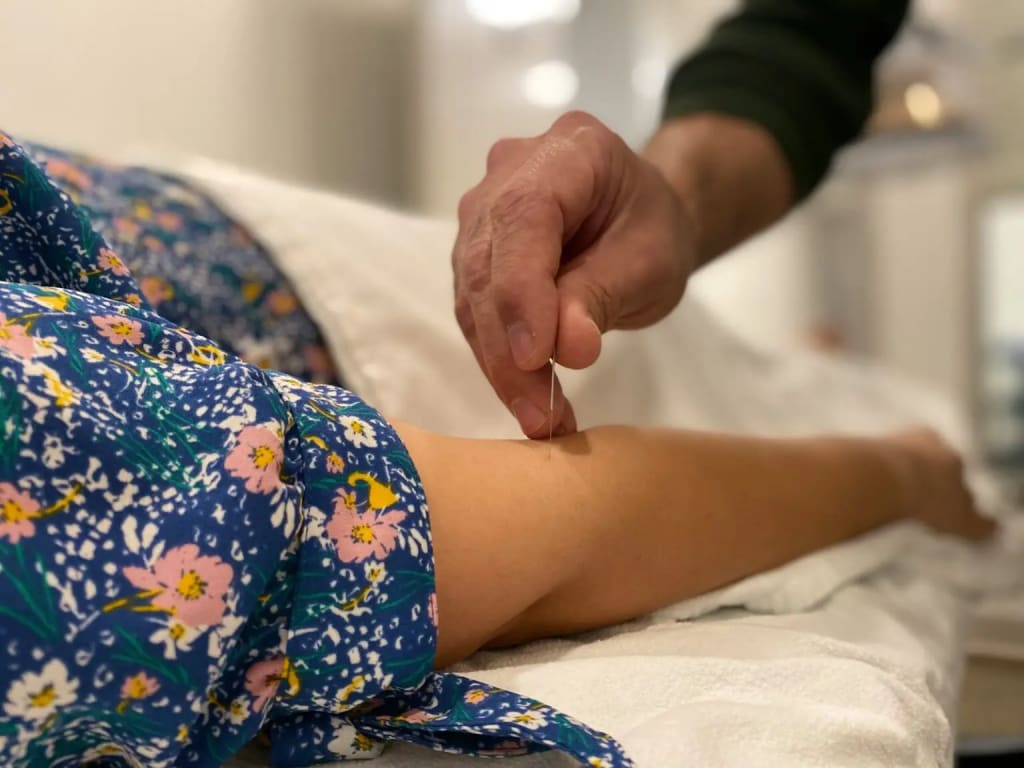
Pelvic floor problems can affect people of all ages and genders. They may lead to pain, trouble with urination or bowel movements, or discomfort during daily activities. Many people use pelvic floor therapy to manage these symptoms, but in some cases, standard therapy isn’t enough. Dry needling is a technique that can be added to pelvic floor treatment to help reduce pain and improve function.
What Is the Pelvic Floor?
The pelvic floor is made up of muscles at the base of the pelvis. These muscles support the bladder, bowel, and reproductive organs. They also help control urination, bowel movements, and posture. When these muscles are too tight, weak, or not working well together, a person may feel pressure, pain, or have difficulty with certain bodily functions.
What Is Dry Needling?
Dry needling uses very thin, solid needles to treat tight or painful spots in muscles, called trigger points. These are areas where the muscle has tightened up and may refer pain to other places. In pelvic floor therapy, dry needling can reach deep muscles that may be hard to treat with stretching or manual therapy alone.
The goal is to help the muscle relax, improve blood flow, and reduce pain signals in the area.
How Does It Work with Pelvic Floor Therapy?
Dry needling is not a full treatment by itself—it works best when combined with other therapies like breathing exercises, movement retraining, and muscle coordination. By releasing tight muscles, dry needling may make it easier for people to participate in exercises and see better results from therapy.
According to Dr. Jordan Barber, a specialist in pelvic floor dry needling, “This technique helps release deep muscle tension that hands-on therapy can’t always reach. It can make a big difference for people who haven’t seen results with other treatments.”
Who Might Benefit?
Dry needling may be helpful for people who experience:
● Ongoing pelvic or tailbone pain
● Pain with sitting, urination, or sex
● Trouble starting or stopping urine
● Muscle tightness that doesn’t improve with stretching
It is especially useful for those with myofascial pain or conditions involving trigger points in the pelvic muscles, such as the levator ani or obturator internus.
Conclusion
Pelvic floor problems are often complex and involve multiple systems in the body. For some people, dry needling can help reduce pain and muscle tension that may be limiting their progress in therapy. When used by trained providers as part of a larger treatment plan, it may offer another way to support recovery and improve daily life.
MEET DR. JORDAN BARBER
Dr. Jordan Barber has spent over 20 years helping people get out of pain and back to living their best lives. As a specialist in musculoskeletal pain and associated disorders, he provides effective, results-driven care—without endless treatment plans. His approach is simple: get you better, faster.
Dr. Jordan has treated thousands of patients, tackling everything from chronic back pain, headaches, migraines and pelvic floor dysfunction that most doctors overlook. Whether you’re dealing with pain from an injury, discomfort from sitting all day, or issues affecting your daily life, he’s got you covered.
With a Doctorate in Acupuncture and Oriental Medicine (DAOM), and an integrative medical specialty in pain and psycho-social phenomena, as well as peer-reviewed research in pain management, Dr. Jordan is one of the most qualified alternative pain specialists in the New York City area!
But what really sets him apart? He cares about results. Most of his patients see real improvement in a few weeks or months, not years of repeat visits.
A dedicated educator as well as a practitioner, Dr. Jordan stays at the forefront of his field, continuously expanding his expertise and mentoring healthcare providers to deliver better, patient-centered care.
When he’s not treating patients, Dr. Jordan, stays active in the gym, enjoys traveling to amazing places, and loves good food and great wine!
About the Creator
Sarah
With an experience of 10 years into blogging I have realised that writing is not just stitching words. It's about connecting the dots of millions & millions of unspoken words in the most creative manner possible.
Author’s Advice
If you would’ve asked me 20 years ago did I know I’d become a writer and an author, I would’ve said “nope, ain’t happening”. As fate would have it I did become an author and I can honestly say I’m loving it so far. It really does feel good to be a writer. I’ve learned a lot on this journey and I feel like with even me being as new to this world as I am, there’s some wisdom I need to share with every other aspiring author.
By Joe Patterson3 days ago in Journal
Reasons Why Sinners and Frankenstein Could Win the Oscar for Best Picture
Horror fans are in luck: this year, two horror films are in the running for the Oscar for Best Picture. As if that weren't enough, both films have multiple nominations for this award. This year, Sinners, a gothic horror film, has been crowned the film with the most nominations in Oscar history. This movie received 16 nominations, an absolute record that never ceases to amaze.
By Ninfa Galeanoabout 15 hours ago in Journal




Comments
There are no comments for this story
Be the first to respond and start the conversation.