
How Does a Degreening Room Improve Fruit Quality?
Degreening is the process of removing the greenish hue of the fruit's peel to reveal its vibrant, mature color.

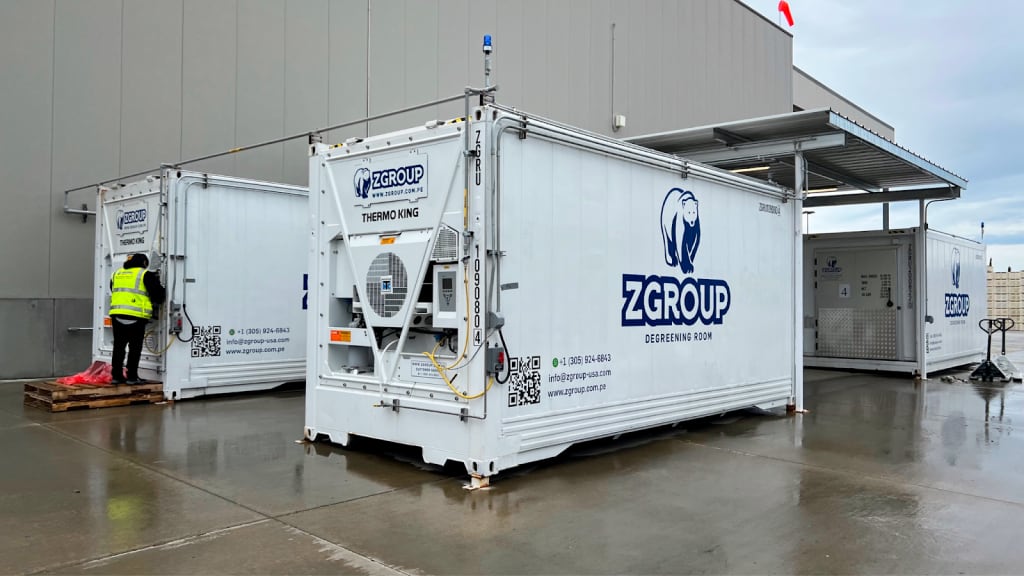
Modern agriculture demands precision and efficiency, particularly in the post-harvest phase. For industries focused on producing fresh fruits—especially citrus producers, packers, and food distributors—a degreening room is a vital tool in achieving high-quality, market-ready products. But how exactly does a degreening room work, and what benefits does it offer?
This article explores the science and technology behind degreening rooms, their applications, and how they can elevate fruit quality and marketability to new heights.
What is Degreening?
Degreening is the process of removing the greenish hue of the fruit's peel to reveal its vibrant, mature color. Unlike some fruits that continue ripening after harvest, citrus fruits, bell peppers, and tomatoes do not ripen further once picked. Degreening artificially induces the development of these fruits' iconic colors without compromising their nutritional or flavor profile.
Fruits Commonly Processed in Degreening Rooms:
- Citrus fruits such as oranges, tangerines, and mandarins are degreened to achieve their characteristic warm tones of orange or yellow.
- Tomatoes harvested when mature but still green are ripened uniformly through controlled degreening.
- Bell peppers are often processed to reach their bright red or yellow stages.
The goal is twofold—enhance the produce's visual appeal and prepare it for quicker entry into the marketplace.
How Degreening Rooms Work
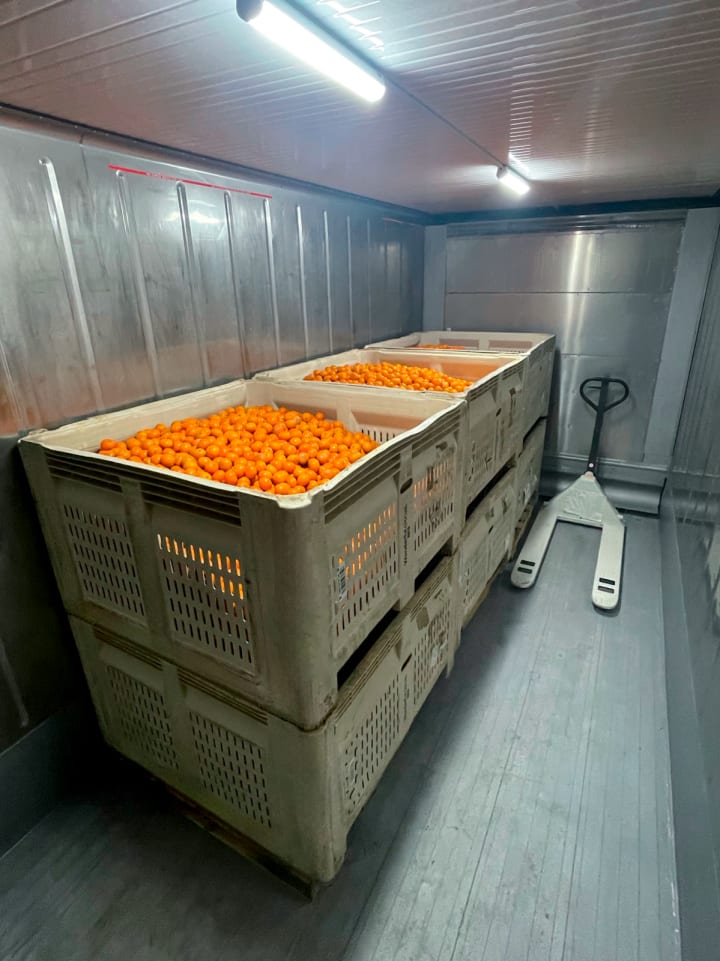
A Controlled Environment
A degreening room is essentially a highly specialized chamber that provides the ideal conditions for the degreening process. Unlike natural ripening, which depends on unpredictable environmental factors, degreening rooms ensure consistency and precision through the following elements:
1. Temperature Control
Fruits degreen optimally at temperatures around 82°F to 85°F, depending on the fruit and seasonal conditions. Controlled heating systems maintain this temperature, speeding up the breakdown of chlorophyll in the peel.
2. Humidity Management
High relative humidity—ideally between 90% and 95%—is crucial to prevent fruit dehydration or skin blemishes during degreening. Steam or pneumatic atomizing nozzles help regulate moisture levels effectively.
3. Ethylene Gas Introduction
Ethylene gas, a plant hormone naturally released by fruits, accelerates color change and ripening. Degreening rooms artificially supply precise ethylene concentrations (typically around 3–5 ppm) to ensure rapid but even degreening.
4. Ventilation Systems
Ventilation ensures the removal of carbon dioxide (CO₂), a byproduct given off by the fruit. Excessive CO₂ (above 1%) can stall the degreening process, so a well-designed airflow system exchanges air hourly to keep levels optimal.
5. Carbon Dioxide Control
Ventilation systems also ensure a consistent supply of fresh air, preventing excess CO₂ from accumulating. This helps sustain the degreening process and ensures the fruits' surface doesn’t become blemished or dull.
Monitoring Systems
Modern degreening rooms incorporate real-time monitoring systems to track temperature, humidity, and ethylene levels. Automated alarms alert operators to deviations, minimizing risks such as over-ripening or uneven degreening.
Benefits of Degreening Rooms
1. Uniform Color for Market Appeal
Consumers associate brightly colored produce with freshness and quality. Degreening rooms ensure uniform coloration, enhancing the visual appeal of fruits and increasing their demand in retail and export markets.
2. Faster Time to Market
By accelerating the ripening process in a controlled manner, degreening rooms reduce the time required for fruits to become market-ready. This agility in supply chain management strengthens the competitive advantage of growers and packagers.
3. Minimized Post-Harvest Losses
Controlled degreening reduces the risk of spoilage compared to ripening fruits in less regulated environments. This ensures a higher percentage of harvested crops make it to market, yielding better profitability for farmers and distributors.
The Role of Ethylene

Ethylene gas is the biochemical powerhouse of degreening rooms. It orchestrates key processes that enhance both the quality and aesthetic appeal of fruits.
Effects of Ethylene:
- Breakdown of Chlorophyll
Ethylene breaks down the chlorophyll pigments responsible for the green hue, revealing vibrant reds, oranges, or yellows.
- Softening of Fruit
Ethylene assists in cell wall modifications, improving the fruit’s texture.
- Enhancing Aroma and Flavor
Beyond external changes, ethylene enhances the fruit's natural aroma and flavor compounds, producing a more appealing product.
Controlled Ethylene Levels
While ethylene drives degreening, excessive levels can cause over-ripening or even spoilage. Precision is paramount to maintaining balance and maximizing product quality.
Degreening Room Technology and Innovation
Modern degreening rooms have evolved far beyond basic chambers. Cutting-edge technology now enables more efficient and sustainable operations.
1. Automated Climate Control
Sensors and AI-driven systems adjust temperature, humidity, and ethylene flow automatically to match the specific requirements of each batch.
2. Energy Efficiency
Retrofitted coolers and energy-saving integrations help reduce the emissions and running costs of degreening rooms.
3. Sustainability
By minimizing waste and maximizing the utility of harvested produce, degreening rooms contribute to creating a sustainable agricultural pipeline.
Impact on the Agricultural Industry
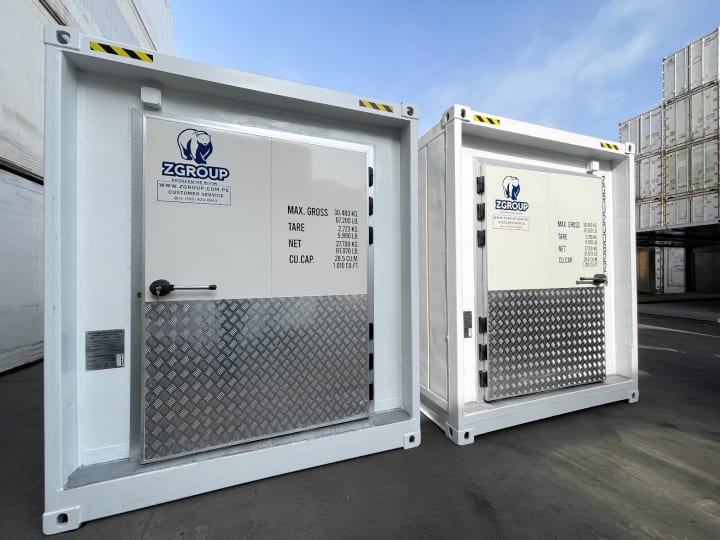
Degreening technology offers significant advantages in transforming how the industry grows and markets fresh produce:
- Higher Earnings for Farmers
Uniform ripening prevents waste and allows farmers to secure better contracts with retailers.
- Meeting Export Standards
Degreened fruits meet strict import/export criteria, especially for citrus distribution worldwide.
- Improved Supply Chain Efficiency
Faster market readiness streamlines logistics and reduces storage costs at distribution centers.
Addressing Concerns About Degreening
Some critics may question whether degreening is entirely natural or impacts taste and nutrition. Here’s a breakdown:
- A Natural Process
Degreening mimics natural ripening conditions, using ethylene—a natural plant hormone.
- Preserving Nutrition
The degreening process focuses on cosmetic improvement without altering the fruit's nutritional composition.
- Consumer Education
Transparency about the process fosters appreciation for this innovative agricultural technique.
Looking Ahead: Future Trends in Degreening

Degreening technology continues to evolve, adapting to emerging trends in agriculture:
- Eco-Friendly Practices
Green energy solutions such as solar-powered chambers offer more sustainable operations.
- Smart Farming Integration
IoT-enabled sensors in degreening rooms enhance monitoring precision and connectivity.
- Customized Ripening
AI algorithms can establish unique ripening profiles for individual batches.
Elevate Your Produce Quality Today
Investing in degreening room technology isn't just a business decision; it’s a step toward better sustainability, profitability, and industry leadership. By enhancing the visual appeal and quality of your fruits, you’re better positioned to meet market demands and exceed consumer expectations.
To explore state-of-the-art degreening room solutions tailored to your business, ZGROUP USA offers robust, innovative systems built to bring you results. Contact us today to learn how we can help your operations thrive.
About the Creator
ZGROUP USA
ZGROUP USA specializes in advanced modular refrigeration solutions, catering to the cold storage, pre-cooling, and ripening needs of various industries.
Keep reading
More stories from ZGROUP USA and writers in Journal and other communities.
Cold Storage Containers for Events: Keep Your Inventory Fresh Anywhere
When organizing an event, whether it’s a wedding, corporate gathering, or festival, one of the critical aspects is ensuring that food and beverages are kept fresh and safe for consumption. This is where cold storage containers come into play. These versatile units provide a reliable solution for maintaining the quality of perishable items, allowing event organizers to focus on creating a memorable experience without worrying about spoilage. In this blog post, we will explore how cold storage containers can benefit events and why partnering with a reputable refrigeration manufacturer is essential.
By ZGROUP USA8 months ago in Journal
The goals I did not achieve
Every writing goal I made for the year is a wash. It has been this way for a while, but I think it's important to be open about my failures and the reality of how life can get in the way. This is especially true considering the several times I have posted on Vocal about my writing goals, how I was changing my approach, and where I was hoping to be for the upcoming year. I will probably do that again in a couple months, but for now, it is time to acknowledge where I am today.
By Kay Husnick22 days ago in Journal
Catholic Social Teaching and Modern Life
Catholic Social Teaching is a rich tradition that provides moral guidance on how to live out faith in society. Rooted in Scripture and the teachings of the Church, it addresses issues of human dignity, justice, care for the poor, and responsible stewardship of the world. Understanding Catholic Social Teaching helps believers apply their faith to modern challenges while staying true to God’s call for love, compassion, and justice.
By Sound and Spirit4 days ago in Journal




Comments (1)
I’m glad it improves the quality of fruit! Great work!