
How Children's Jiu-Jitsu Builds Discipline, Strength, and Focus
Empowering Kids Through Jiu Jitsu: The Path to Discipline, Strength, and Mental Focus.

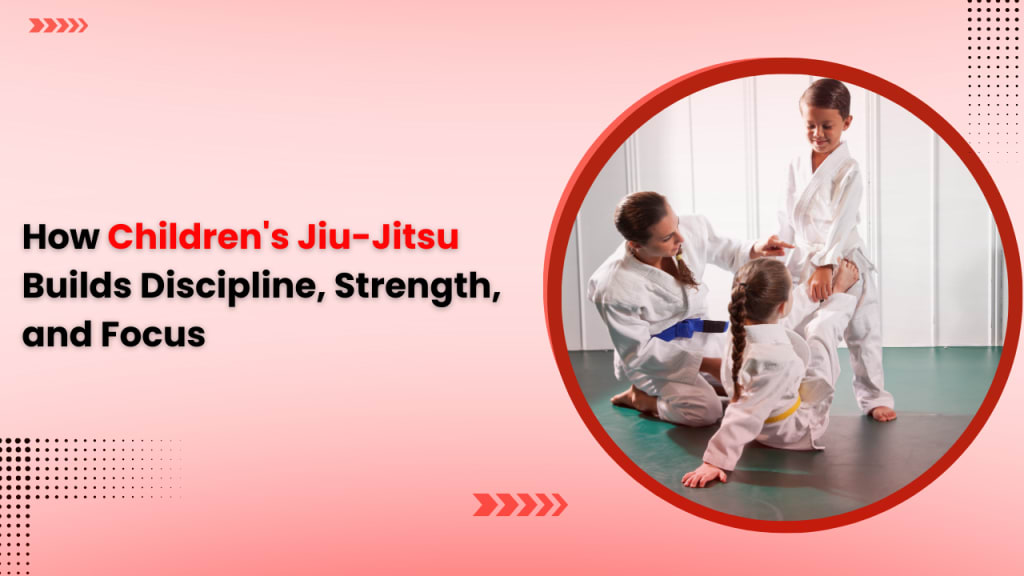
Children's Jiu-Jitsu is more than just a martial art—it's a powerful tool for personal growth. Parents often seek activities that help their children develop confidence, discipline, and resilience, and Jiu-Jitsu offers all of that and more. Unlike traditional team sports, Jiu-Jitsu provides a unique blend of mental and physical challenges, fostering essential life skills that benefit kids far beyond the mat.
This article explores how children's Jiu-Jitsu builds discipline, strength, and focus, shaping young minds and bodies for success in all areas of life.
1. Developing Self-Discipline Through Children's Jiu-Jitsu
Discipline is one of the most valuable traits a child can develop, and Jiu-Jitsu is structured to instill it naturally. The journey from white belt to higher ranks requires dedication, practice, and the ability to follow instructions carefully.
Key Ways Jiu-Jitsu Fosters Discipline-
- Structured Training Environment: Kids must listen to their instructors, follow techniques, and maintain proper etiquette on the mat.
- Consistent Practice: Progress in Jiu-Jitsu comes from regular training, reinforcing the habit of commitment.
- Respect for Rules and Authority: Children learn to respect their instructors, training partners, and the philosophy of martial arts.
By consistently attending classes and putting in effort, children learn that discipline leads to growth, a lesson that translates into their academics, personal responsibilities, and future endeavors.
2. Building Strength—Beyond Just Physical Power
Strength in children's Jiu-Jitsu isn't just about muscle; it's about overall fitness, endurance, and mental toughness. The sport challenges kids to use their entire body in controlled, strategic movements, helping them develop a strong foundation of agility and coordination.
Physical Benefits of Jiu-Jitsu for Kids-
- Core Strength and Stability: Jiu-Jitsu movements engage the core, improving posture and balance.
- Increased Flexibility: The techniques involve stretching and mobility exercises that enhance flexibility.
- Cardiovascular Endurance: Drills and sparring sessions improve stamina and overall fitness levels.
Beyond physical strength, children gain the ability to push through challenges and discomfort, building mental resilience that will serve them throughout life.
3. Sharpening Focus and Mental Clarity
Jiu-Jitsu is often referred to as "physical chess" because it requires strategic thinking, quick decision-making, and adaptability. Unlike sports that rely solely on speed or strength, Jiu-Jitsu emphasizes technique, patience, and mental agility.
How Jiu-Jitsu Improves Focus-
- Mind-Body Connection: Kids must remain mentally engaged to execute techniques correctly.
- Problem-Solving Under Pressure: Learning how to escape holds or apply submissions teaches children to stay calm and think critically.
- Attention to Detail: Success in Jiu-Jitsu comes from precision, encouraging kids to focus deeply on instructions and movements.
The concentration skills developed in Jiu-Jitsu carry over into schoolwork, improving academic performance and cognitive abilities.
4. Teaching Respect and Sportsmanship
One of the core principles of children's Jiu-Jitsu is respect—both for oneself and others. From the moment a child steps onto the mat, they are taught the importance of humility, kindness, and treating training partners with care.
Lessons in Respect and Sportsmanship-
- Bowing Before and After Training: A sign of appreciation and respect for the art and their instructors.
- Controlled Sparring: Kids learn to apply techniques without harming others, reinforcing self-control.
- Losing Gracefully: Jiu-Jitsu teaches that setbacks are opportunities to learn rather than failures.
By practicing respect in training, children develop positive social skills that help them build healthy relationships in everyday life.
5. Boosting Confidence Through Achievement
Confidence isn't something that can be given—it's earned through hard work and achievement. Jiu-Jitsu provides children with measurable progress, helping them build self-assurance in their abilities.
How Jiu-Jitsu Builds Confidence-
- Belt Promotions: Advancing through ranks shows children the results of their dedication.
- Overcoming Challenges: Facing and conquering difficult techniques boosts self-belief.
- Learning Self-Defense: Knowing they can protect themselves provides a deep sense of security.
As kids gain confidence on the mat, they begin to carry themselves differently in school, social settings, and other areas of life.
6. Encouraging Healthy Social Interactions
Children's Jiu-Jitsu is not just an individual pursuit—it’s a community-driven sport where kids develop friendships, teamwork, and social confidence. Training sessions create a supportive environment where children learn from each other, practice communication skills, and build strong connections.
Social Benefits of Jiu-Jitsu-
- Working with Partners: Every class involves drills and sparring, requiring kids to cooperate and build trust.
- Learning from Peers: Watching and training with others helps kids improve faster and fosters a sense of camaraderie.
- Supportive Environment: The Jiu-Jitsu community encourages growth without the pressure of winning or losing.
For children who may struggle with social anxiety or making friends, Jiu-Jitsu offers a structured and positive space to develop these essential skills.
7. Teaching Resilience and Emotional Control
Life is full of challenges, and children's Jiu-Jitsu provides a safe space for kids to learn how to handle setbacks. Whether it's struggling with a new technique or losing a match, Jiu-Jitsu teaches kids to keep going, even when things get tough.
How Jiu-Jitsu Builds Resilience-
- Learning from Mistakes: Every training session involves trial and error, reinforcing a growth mindset.
- Managing Frustration: Kids develop emotional control by handling losses and difficult situations with composure.
- Setting and Achieving Goals: Working toward new belts teaches perseverance and goal-setting skills.
The resilience gained from Jiu-Jitsu prepares children to face challenges in academics, relationships, and future careers with confidence and determination.
8. Creating Lifelong Healthy Habits
Getting kids involved in a physical activity like Jiu-Jitsu early on helps establish a foundation for a healthy lifestyle. Unlike many sports that have off-seasons, Jiu-Jitsu can be practiced year-round, encouraging consistency in exercise and wellness.
Long-Term Health Benefits of Jiu-Jitsu-
- Encourages Regular Physical Activity: Builds a habit of movement and exercise.
- Teaches Proper Nutrition: Many academies emphasize the importance of a healthy diet for peak performance.
- Reduces Screen Time: Jiu-Jitsu offers a fun, engaging alternative to excessive time spent on devices.
By instilling these habits early, Jiu-Jitsu sets children up for a lifetime of physical and mental well-being.
Final Thoughts
Children’s Jiu-Jitsu is far more than a sport—it’s a discipline that shapes young minds and bodies in profound ways. By fostering discipline, strength, and focus, it prepares children for success in all aspects of life. Whether a child is shy and looking for confidence, active and seeking an outlet, or struggling with focus and needing structure, Jiu-Jitsu offers transformative benefits.
For parents looking to invest in their child’s personal development, enrolling them in children's Jiu-Jitsu could be one of the best decisions they make. With every class, kids gain skills that will serve them well into adulthood, making Jiu-Jitsu a practice worth exploring.
Reference This Article- How Brazilian Jiu-Jitsu Prepares Kids for Life’s Biggest Challenges
About the Creator
Angela R. Taylor
Hey community I’m Angela R. Taylor With a deep passion for Brazilian Jiu-Jitsu, I coach students of all levels, focusing on technique, discipline, and personal growth.
Keep reading
More stories from Angela R. Taylor and writers in Journal and other communities.
How to Train & Win at the Next Orlando Jiu-Jitsu Competition?
Competing in a Orlando Jiu-Jitsu competition requires more than just technical skills. It demands a well-rounded training regimen, mental resilience, and strategic preparation. Whether you’re a seasoned competitor or stepping onto the mat for the first time, a structured approach can significantly boost your chances of success.
By Angela R. Taylor12 months ago in Journal
The Invisible Boundary: How We Know When Not to Invest
For decades, market downturns have been treated as the primary threat to investors. Crashes dominate headlines. Volatility fuels fear. Yet among long-term practitioners, a different danger is cited more often and with greater concern: the belief that one understands an investment when, in fact, one does not.
By Reality Has Glitchesabout 8 hours ago in Journal



Comments
There are no comments for this story
Be the first to respond and start the conversation.