
How can you better manage your business waste?
As a business, there are likely to be many things that you need to focus your attention on, and so waste is probably not at the top of your list of priorities. However, looking at the ways in which you manage your waste can be very important.


As a business, there are likely to be many things that you need to focus your attention on, and so waste is probably not at the top of your list of priorities. However, looking at the ways in which you manage, collect, and recycle your waste can be very important when it comes to the green credentials of your business and the money that you have the potential to save.
Waste is something that can easily build up and is often ignored, leaving it to go straight to landfill. As a business, you probably get charged for this – a cost which can be reduced if you cut the waste that you produce and recycle more.
A build up of waste can also be a huge health and safety concern as it can become either a trip or fire hazard and is also known to attract vermin. Here, Flame UK look at some of the best ways to tackle your waste management in order to benefit your business in a whole host of ways.
Track your waste
To understand what to do with your waste, you first need to understand what waste you have and where it comes from. It is therefore important for you to track the waste that your business creates. You need to look at the types of waste that you produce and see what types of materials this tends to be made up of.
You then need to speak to your employees to see what those on the shop floor think about the waste that goes through their hands. You should be asking which job roles create each type of waste so that you can better understand where it is coming from. Once you know what your waste streams look like, you are in a better position to tackle them.
Go paperless
Paper is often one of the biggest types of waste of any business. Whilst this is a recyclable material, there are ways to prevent it from being produced in the first place. Many processes and forms of communication can now take place online, so look at investing in software that can help you to do this more frequently, and therefore reduce the paper that you use.
Look at cloud storage and accountancy software as a good starting point, and then consider re-writing your policies in order to encourage staff to think twice before printing something out and using email where possible. This can save you money both when it comes to buying paper and in disposing on it, so it can be very important.
Waste management services
Even with a whole host of policies in place, your business will still create some degree of waste, and not every business can be expected to know the best ways in which to dispose of this. Employing their services of a waste management company can make this a much simpler process. They can help you when it comes to reviewing your waste streams and show you ways in which you can reduce your waste further.
They can also examine your current waste management strategy and advise you on ways in which you can improve this. These techniques will not only make your waste management more efficient can also save you both time and money.
A waste management company can then arrange collections of your waste and the safe and responsible disposal of it by ensuring that as much as possible is properly recycled.
Hazardous waste
Not all forms of waste are equal, and so you need to be careful how you handle them. If your business produces any types of hazardous waste, including asbestos, chemicals such as printer toner, oils and pesticides then you need to put great consideration into how you dispose of them. It is worth remembering that even laptops can fall under the category of hazardous waste, so every business will be affected by this at one time of another.
Each one is subject to specialist procedures that you must follow, and a licensed waste management companies can help you to make sure that this is all done correctly. It is important that you remember that your business has a duty of care when it comes to correctly disposing of hazardous waste without harming your employees or the environment.
Recycling
Recycling should be one of the most important factors of your waste management strategy. You should be looking to recycle as much of your waste as possible as it will not only be better for the environment but can also save you money by not sending it to landfill.
To recycle your waste effectively, you should make sure that different materials are separated out. This will help you to identify your waste stream, and can also ensure that each material is treated correctly. Having a number of large containers means that you can easily keep your paper and cardboard away from your plastics and have each one dealt with correctly.
Reduce plastic consumption
They say that prevention is better than cure, and this is particularly true in the case of plastic. As something that is often not recyclable, it is one of the most common types of waste and one of the most damaging to the environment. As a business, if you can find less ways to use plastic during your everyday processes, then you can reduce the amount of it that ends up in your waste. Look at buying in bulk, researching alternatives to plastic and buying from businesses who actively reduce their plastic packaging in order to cut down the amount that you are throwing away each day.
Managing your waste can be an important task both when it comes to saving money, saving the environment and saving your health and safety record, so it deserves plenty of attention. Looking at your waste management strategy, or employing a company who does, can be a game changer for all sorts of elements of your business, so now is the time to explore it further.
About the Creator
Sarah Vernau
Sarah Vernau is the Marketing Manager at Flame UK, who is an innovative leader in cost containment and the management of all Waste, Energy, and Water consuming businesses.
Keep reading
More stories from Sarah Vernau and writers in Journal and other communities.
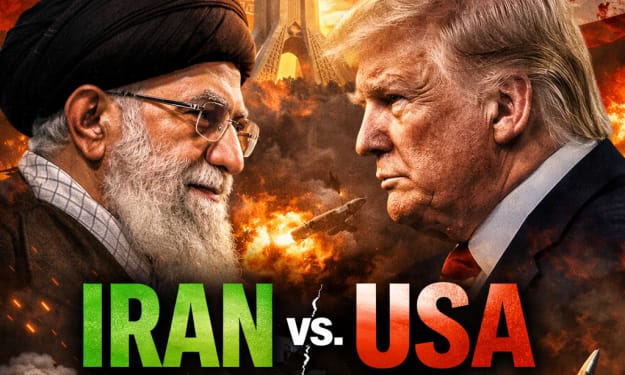
“Iran VS United States, Tensions at the Breaking Point. Trump’s Next Move Could Reshape the Middle East”
1. Background: What’s Happening Now • Nationwide protests in Iran are ongoing due to a severe economic crisis, skyrocketing inflation, and public anger about conditions inside the country. • President Donald Trump has publicly threatened Iran, warning that if Tehran violently suppresses protesters or gets too aggressive, the U.S. could intervene. • Iran’s government has responded by warning of swift and comprehensive retaliation if the U.S. attacks. • Iran’s airspace and infrastructure remain tense, but some diplomatic communications have briefly reopened, signaling both sides are weighing options.
By Hamd Ullah2 days ago in Journal
🅼🅸🅳🅽🅸🅶🅷🆃 🆂🅽🅰🅲🅺🆂
"It's 10 in Tuscon! We all know what that means... It's Time for Midnight Snacks with your man, Gerald Gee! Ready to spend the night together? Me too! I'm full of snacks and can't wait to regurgitate them all back into your hungry ears. Crack a brew! Pop some corn! Anything to get ready for one hell of a show where the talk maybe cheap but the words cut deep...
By Lamar Wiggins2 days ago in Fiction



Comments
There are no comments for this story
Be the first to respond and start the conversation.