
How Airless Spray Technology is Transforming Industrial Painting
Revolutionizing Industrial Coatings with Faster, Smoother, and More Efficient Airless Spray Paint Technology
In the ever-evolving world of industrial painting, airless spray paint systems are rapidly emerging as the preferred choice for delivering speed, efficiency, and impeccable finish. From factories and warehouses to bridges and shipyards, industrial surfaces require fast coverage and durable coatings — a demand that traditional brush or roller techniques often struggle to meet. That's where airless spray painting steps in, revolutionizing the game for professional painters and businesses alike.
In this blog, we’ll explore how this technology is reshaping industrial painting and why professional painters in Hobart and around the world are increasingly adopting this method.
What is Airless Spray Painting?
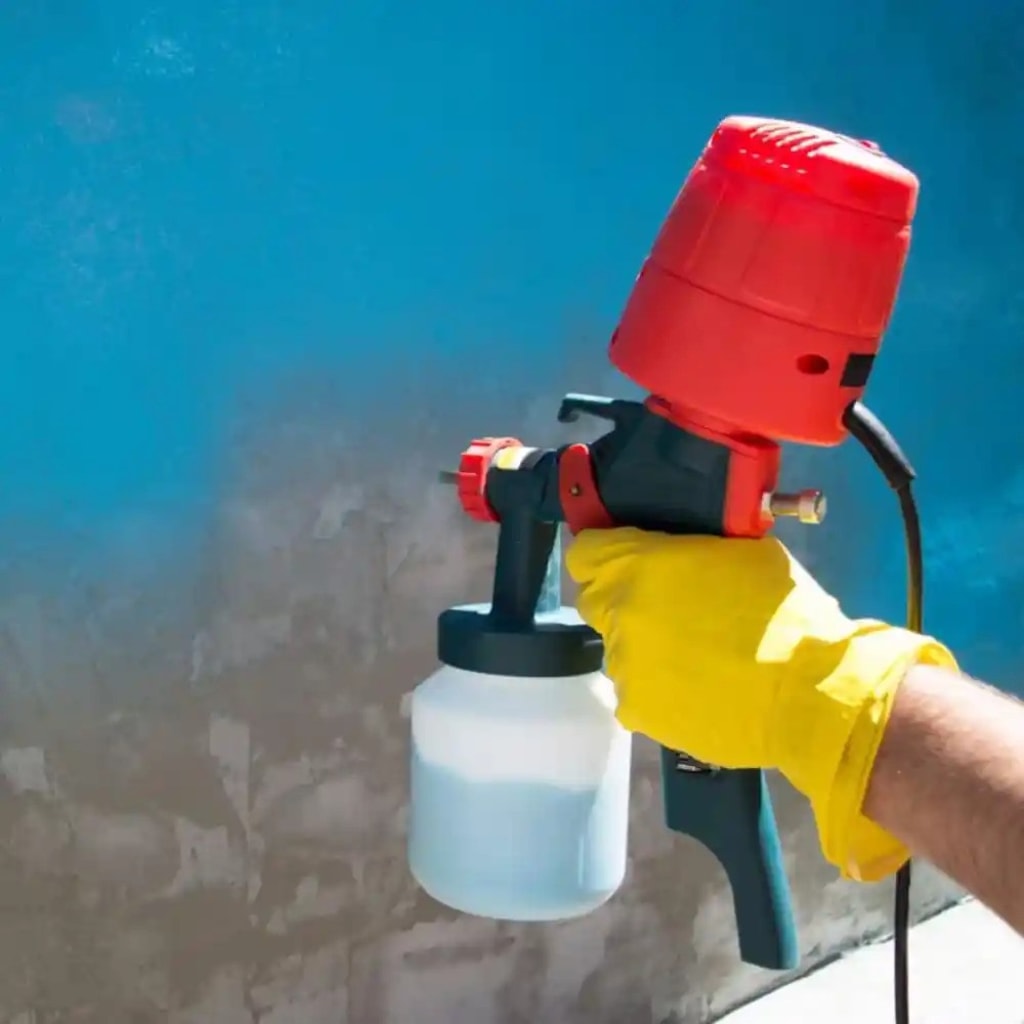
Airless spray painting is a technique that uses high pressure (usually between 1500–3000 PSI) to atomize paint without the need for compressed air. The paint is pumped through a hose and forced through a small tip, creating a fine mist that adheres evenly to the surface.
Unlike conventional spraying, which uses air to break up paint, airless systems offer higher transfer efficiency, reduced overspray, and faster application — making them ideal for large-scale industrial jobs.
The Key Advantages of Airless Spray Paint in Industrial Applications
1. Speed and Efficiency
Airless sprayers can cover vast surface areas in a fraction of the time it would take with a brush or roller. For example, painting a factory wall with brushes might take several hours — with an airless spray system, it can be done in under one hour with a smoother finish.
2. Superior Finish Quality
Airless spray painting delivers an even, consistent coat without brush marks or roller lines. It ensures uniform coverage, especially critical for metal structures, machinery, or textured surfaces where a smooth and sealed finish is necessary.
3. High-Pressure Application for Better Penetration
Thanks to its high-pressure delivery, airless spray paint penetrates cracks, crevices, and uneven surfaces better than traditional methods. This is especially important in industrial environments where surface imperfections are common.
4. Minimal Overspray and Waste
With the right tip and technique, airless spraying offers excellent transfer efficiency — meaning more paint ends up on the surface rather than in the air or on surrounding objects. This reduces waste and clean-up time, which is a win for both productivity and environmental responsibility.
Applications Where Airless Spray Technology Excels
Airless spraying is highly versatile and has become a mainstay in various industrial sectors. Some common applications include:
- Structural steelwork and machinery
- Warehouses and manufacturing units
- Storage tanks, silos, and pipelines
- Bridges, marine vessels, and large metal surfaces
- Commercial building exteriors
Painters in Hobart, especially those working with industrial clients, have found airless systems indispensable for coating large spaces with speed and accuracy.
How It’s Changing the Role of Industrial Painters
The transition from traditional tools to airless sprayers has significantly changed the workflow for professional painters. Here's how:
1. Reduced Labor Costs
One skilled operator can handle jobs that previously required a team. This not only brings down labor costs but also speeds up project delivery times.
2. Better Safety
Less physical contact with surfaces and lower exposure to solvents (when using enclosed systems) contribute to safer working conditions. Additionally, faster jobs reduce time spent in hazardous environments.
3. Training and Skill Development
While airless spray painting isn’t complicated, it does require knowledge of tip sizes, pressure settings, and maintenance. Painters now need to be trained not just in application techniques but also in machine operation and troubleshooting.
Choosing the Right Equipment for Industrial Jobs
Selecting the right airless spray paint system depends on the scale and nature of the job. For large-scale industrial projects, electric or gas-powered units with long hoses and high-pressure capacity are typically used. Key factors to consider include:
- Pump pressure and flow rate
- Tip size and compatibility
- Hose length and flexibility
- Portability and ease of maintenance
Brands like Graco, Wagner, and Titan offer robust models designed specifically for industrial workloads.
Best Practices for Industrial Airless Spray Painting
To ensure safety, efficiency, and the best possible finish, professionals follow these best practices:
Surface Preparation: Ensure all surfaces are clean, dry, and free of rust or loose materials.
Correct Tip Selection: Different paints and coatings require different tip sizes. A mismatched tip can lead to poor finish and wasted material.
Consistent Spray Technique: Keep a consistent distance (typically 12 inches) from the surface and move the spray gun steadily to avoid uneven layers.
Regular Maintenance: Clean the filters, tips, and hoses after each use to avoid clogs and maintain pressure consistency.
Protective Gear: Always wear appropriate PPE — goggles, gloves, respirators, and coveralls — to protect from overspray and fumes.
Why Painters in Hobart Are Embracing This Change
With increasing demand for faster project completion and better quality control, painters in Hobart are rapidly shifting toward airless technology. Local industries, commercial property owners, and infrastructure projects require painting solutions that are efficient and cost-effective. Airless spray systems offer just that — enabling painters to take on more projects while delivering superior results.
At Dyson Painters, we have embraced airless spray painting as a standard solution for our industrial painting jobs. It not only improves our turnaround time but also ensures that we deliver high-quality finishes our clients can trust.
Conclusion: The Future is Airless
Airless spray painting has revolutionized the way industrial projects are completed. It brings unmatched speed, precision, and reliability to the table — attributes that are essential in large-scale environments where downtime is costly, and quality is non-negotiable.
As more innovations emerge, including smart sensors, digital controls, and eco-friendly spraying systems, the future of industrial painting looks brighter than ever — and it’s airless.
About the Creator
Dyson Painters
We are trusted Professional Painters in Hobart, Providing High-Quality Residential and commercial services. Contact us to hire our expert exterior and interior Painters. Visit at: https://dysonpainters.com.au/
Keep reading
More stories from Dyson Painters and writers in Journal and other communities.
10 Questions to Ask Before Hiring Painters in Tasmania: A Homeowner’s Guide to Quality and Cost
Choosing the right painter for your home or commercial space in Tasmania can be the difference between a flawless finish and months of regret. From flaky walls to patchy colors, we’ve all heard the horror stories. The good news? You can avoid them entirely by asking the right questions before you sign a contract.
By Dyson Painters9 months ago in FYI
Author’s Advice
If you would’ve asked me 20 years ago did I know I’d become a writer and an author, I would’ve said “nope, ain’t happening”. As fate would have it I did become an author and I can honestly say I’m loving it so far. It really does feel good to be a writer. I’ve learned a lot on this journey and I feel like with even me being as new to this world as I am, there’s some wisdom I need to share with every other aspiring author.
By Joe Patterson2 days ago in Journal
Florida Passed a Bill Allowing Suspension of Officials for “Promoting Pride,” Sparking National Debate
A controversial new bill passed by the Florida legislature is drawing national attention after it would allow Governor Ron DeSantis to suspend local elected officials accused of “promoting” Pride-related activities through diversity, equity, and inclusion (DEI) programs.
By Navigating the Worldabout 5 hours ago in Journal




Comments