
How a Celebrity Chef Lost His Career After Denying an Influencer a Free Meal
When Cancel Culture Meets Fine Dining

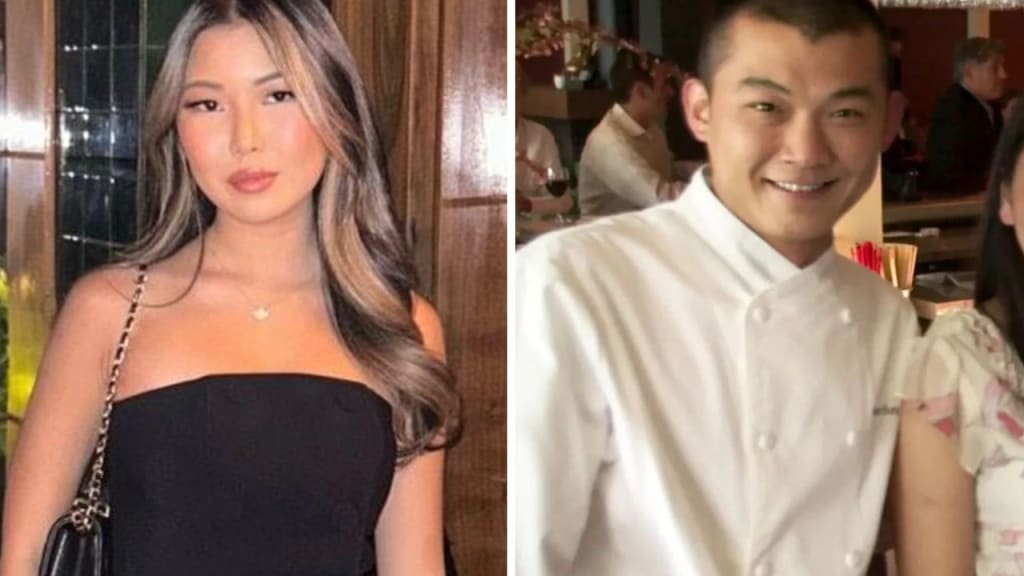
The world of food and social media collided in a way no one could have predicted. An award-winning San Francisco chef, Luke Sung, found his career shattered, his restaurant shuttered, and his family thrust into the spotlight—all because of a viral TikTok video.
This is not just another story of “influencer vs. restaurant.” It’s a cautionary tale about how cancel culture, online reviews, and the growing influence of TikTok creators can make or break businesses overnight. In this SEO-optimized long-form article, we’ll unpack what really happened, analyze the power struggle between influencers and chefs, and draw lessons for entrepreneurs navigating today’s digital-first world.
The Incident That Sparked a Firestorm
Luke Sung, once celebrated as co-owner and chef of Kis Cafe in the Bay Area, was abruptly fired in July after TikTok creator Karla Marcotte posted a video alleging that Sung mocked her for not being “famous enough” to earn a free meal.
Marcotte, who had 15,000 TikTok followers at the time, claimed that Sung dismissed her appearance, belittled her following, and humiliated her at his restaurant. Fighting back tears in her now-viral post—seen by more than 10 million viewers worldwide—she told her audience she had left Kis Cafe in shock and embarrassment.
The internet responded as it often does: quickly, harshly, and without hesitation.
Kis Cafe’s Google rating plummeted from 4.3 stars to 1.1 stars in less than 48 hours.
Thousands of one-star reviews flooded Yelp, many from people who had never visited the restaurant.
Within a week, the restaurant announced Sung’s departure. Days later, it permanently closed its doors.
In the age of viral outrage, this was not just a PR crisis. It was a business execution—swift and brutal.
Luke Sung’s Side of the Story
When the dust began to settle, Sung spoke to The San Francisco Standard to share his perspective. His version paints a more complicated picture:
The influencer’s visit was allegedly arranged by his business partner without Sung’s knowledge.
He admitted to researching Marcotte’s TikTok account before greeting her table.
Concerned by the quality of her food reviews, Sung feared she might misrepresent Kis Cafe’s culinary standards.
When he questioned if she understood his culinary background and the cafe’s mission, Marcotte appeared uncomfortable and soon left.
According to Sung, Marcotte allegedly warned him: “The restaurant world is really small. There will be consequences.”
The consequences, however, spiraled far beyond what anyone could have predicted.
Cancel Culture and the Power of Online Backlash
Sung’s story illustrates a broader trend: the rise of cancel culture in the food industry. Once confined to politics and entertainment, public takedowns now extend to chefs, restaurants, and hospitality workers.
The Numbers Behind Cancel Culture:
A 2021 Pew Research study found that 58% of Americans believe “cancel culture” is a form of accountability.
Conversely, 38% see it as censorship or mob justice.
Restaurants are among the most vulnerable industries, with 93% of diners checking online reviews before booking a table.
For Kis Cafe, the backlash was fatal. Even if Sung’s words had been misrepresented, perception became reality. In the digital age, reputation spreads faster than fact.
The Battle Between Influencers and Restaurants
This scandal also shines a light on an ongoing battle: influencers vs. chefs.
Food influencers wield enormous power today. TikTok, Instagram, and YouTube food vloggers can generate millions of views with a single video. For small and mid-sized restaurants, one viral clip can either fill tables for months or, as Kis Cafe discovered, destroy years of reputation.
Case Studies:
In 2022, a Las Vegas bakery saw a 400% increase in sales after a TikTok influencer’s rave review.
Conversely, in 2023, a New York steakhouse nearly went bankrupt after a viral review accused staff of discrimination—claims later proven false.
The tension arises because many influencers expect free meals in exchange for exposure. While some collaborations are mutually beneficial, others create ethical dilemmas. For chefs who’ve spent decades perfecting their craft, being judged by someone with a ring light and an iPhone can feel demeaning.
How This Story Affected the Chef’s Family
Perhaps the most heartbreaking part of Sung’s ordeal is its impact on his family.
His daughter, an influencer herself, received thousands of hateful messages and threats.
His son, a musician, was targeted online by trolls who left disparaging comments on his work.
Sung admitted that “everything is broken into pieces,” revealing that his family is beginning therapy to cope with the fallout.
This underscores how cancel culture doesn’t just affect individuals—it ripples into families, employees, and entire communities.
Was the Punishment Too Harsh?
The case of Luke Sung raises important questions:
Should a chef lose his career over a misunderstanding?
Should restaurants be judged by the court of public opinion without due process?
Do influencers bear responsibility when their followers weaponize outrage?
Some argue that Sung’s remarks—if true—were unprofessional and dismissive. But critics also point out that the punishment outweighed the offense. A restaurant closed. Employees lost jobs. A family suffered humiliation.
Cancel culture, in this instance, acted as a guillotine rather than a corrective measure.
Lessons for Chefs, Businesses, and Influencers
What can entrepreneurs, influencers, and brands learn from Kis Cafe’s downfall?
1. For Chefs & Restaurants:
Train staff on influencer relations—hospitality today extends beyond traditional diners.
Have a clear social media crisis plan in place.
Monitor reviews constantly and respond professionally to negative feedback.
2. For Influencers:
Be transparent about partnerships—audiences value authenticity.
Avoid weaponizing followers against small businesses.
Remember that creators hold power that can either build or destroy livelihoods.
3. For Consumers:
Take viral posts with a grain of salt.
Verify before vilifying—many businesses never recover from false accusations.
The Bigger Picture: Social Media and the Future of Dining
This story is more than gossip—it reflects the transformational impact of social media on the restaurant industry.
TikTok is now the #1 search engine for Gen Z. According to Google, 40% of young people use TikTok instead of Google Maps to find restaurants.
Viral food content often outpaces traditional food critics in influence.
For chefs, mastering flavor is no longer enough—they must also master optics.
In many ways, the modern restaurant experience begins long before a customer sits at the table. It begins on Instagram reels, TikTok reviews, and Google ratings.
When Reputation Goes Viral
The fall of Luke Sung is a sobering reminder that in today’s world, reputation is currency.
It takes years to build credibility but just 15 seconds of viral content to destroy it. While Sung’s story may be extreme, it’s far from unique. Across the globe, chefs, entrepreneurs, and creators are navigating the delicate balance between tradition and TikTok, between skill and social media, between artistry and algorithms.
For some, the internet offers rocket fuel. For others, it is a slow poison.
In the end, Sung’s words echo louder than his dishes: “Everything is broken into pieces.”
The question we must ask ourselves is this: In a world where cancel culture and influencer marketing hold so much sway, are we building communities—or tearing them apart, one viral video at a time?
About the Creator
Omasanjuwa Ogharandukun
I'm a passionate writer & blogger crafting inspiring stories from everyday life. Through vivid words and thoughtful insights, I spark conversations and ignite change—one post at a time.
Keep reading
More stories from Omasanjuwa Ogharandukun and writers in Journal and other communities.
The Irishman Whiskey Officially Debuts in Nigeria
When Ireland Meets Nigeria in a Glass On a starry Lagos evening, inside the elegant setting of Vici Lagos, history was quietly made. The Irishman Whiskey, one of Ireland’s most celebrated premium whiskeys crafted by Walsh Whiskey, officially entered the Nigerian market with an unforgettable debut tasting dinner.
By Omasanjuwa Ogharandukun5 months ago in Journal
eCommerce Development vs Shopify Development Services: Key Differences
When businesses decide to sell online, one of the first major decisions they face is how to build their digital storefront. Some choose a fully customized approach, while others opt for a ready-to-use platform that promises speed and simplicity. This is where the comparison between eCommerce Development and Shopify development services becomes important.
By Jane Smithabout an hour ago in Journal
Rachel Reviews: The Spiral Archive by Pieter Hendrik
It's difficult for me to know where to start with a review of this book as it was, for me, an entirely unique experience and one that I'll probably never have again. I don't want that to be interpreted as unenjoyable but it has left me scratching my head a little and ruminating on its content, its themes and its characters.
By Rachel Deeming3 days ago in BookClub


Comments
There are no comments for this story
Be the first to respond and start the conversation.