
Housing in South Korea
An In-Depth Guide for Expats and Locals

South Korea, known for its rapid technological growth, vibrant urban centers, and unique culture, has a distinctive housing market shaped by high population density and limited land. Whether you’re planning to move to South Korea for work, study, or lifestyle, understanding the housing types, rental systems, costs, real estate process, and practical tips can ease the transition. Here’s a comprehensive guide to help you navigate the South Korean housing market.
1. Types of Housing in South Korea
South Korea offers a range of housing options to cater to different lifestyles, budgets, and family sizes. Each type has its pros and cons, and understanding these will help you make an informed choice.
Apartments (아파트)
High-rise apartment buildings dominate the landscape in urban areas like Seoul. Many apartment complexes include amenities like gyms, security systems, parks, and even convenience stores. Apartments can be purchased or rented and are often preferred by families and long-term residents
High-rise apartment buildings in Seoul with a cityscape background.
Villas (빌라)
Villas are low-rise residential buildings typically up to five stories high. These are affordable compared to high-rise apartments, offer basic amenities, and are often located in quieter, less densely populated neighborhoods. Villas are popular among young families and individuals looking for a more affordable housing option.
A villa complex in South Korea with small balconies and a two-story structure.
Officetels (오피스텔)
Officetels are multifunctional buildings that combine residential and office purposes. They usually consist of compact studio or one-bedroom units and are located close to business districts, making them ideal for young professionals.
A sleek officetel building in a bustling district of Seoul.
Single Family Houses (주택)
Detached single-family homes are less common in urban areas due to high land costs but can be found in suburban and rural regions. These homes provide more space and privacy, making them ideal for larger families.
A traditional Korean-style single-family house with a small garden.
2. Rental Systems: Jeonse and Wolse
South Korea has two unique rental systems, Jeonse and Wolse, which differ from typical rental practices worldwide.
Jeonse (전세)
The Jeonse system requires tenants to pay a large lump-sum deposit to the landlord, often ranging from 50% to 80% of the property’s market value, instead of monthly rent. The full deposit is returned at the end of the lease. While the initial cost is high, the tenant doesn’t need to make regular rent payments, making it cost-effective in the long run.
Diagram showing the Jeonse process with a large upfront deposit and no monthly rent payments.
Wolse (월세)
Wolse is similar to a typical rental system, with tenants paying a monthly fee. However, there is still a deposit, though significantly lower than in the Jeonse system. This option is often preferred by tenants who can’t afford the high initial Jeonse deposit.
A breakdown of Wolse payments, showing a smaller deposit and monthly rent requirements.
3. Housing Costs and Budgeting
The cost of housing in South Korea varies widely depending on the location, type, and rental system. Seoul is one of the most expensive cities, with high rental prices especially in popular areas like Gangnam and Itaewon.
Monthly Rent Costs: Monthly rents in central Seoul can range from 500,000 KRW (around $400 USD) for a small officetel to over 3,000,000 KRW ($2,500 USD) for a larger apartment in a desirable area.
Jeonse Deposits: Jeonse deposits are substantial, especially in central areas, with costs ranging from 50,000,000 KRW ($40,000 USD) for smaller units to several hundred million KRW ($100,000+ USD) for luxury apartments.
Map showing rental price ranges in various neighborhoods of Seoul, with higher prices concentrated in Gangnam.
4. Real Estate Process: Renting and Buying
The process for renting or buying property in South Korea is relatively straightforward but can vary depending on whether you’re renting via Jeonse or Wolse, or purchasing a property.
Selecting Property: Working with a licensed real estate agent is standard in South Korea. Agents can guide you to available properties and help navigate the rental or purchase process.
Documentation: Tenants need to provide identification, a financial statement, and, in the case of Jeonse, proof of funds. For foreigners, a passport and visa status are required.
Contract Signing: Once terms are agreed upon, a lease agreement is signed. It is common to have contracts notarized, especially for Jeonse agreements, to provide additional security for both parties.
Real estate agent showing an apartment to potential renters with documents and floor plans on the table.
5. Housing Challenges and Tips for Expats
Navigating the South Korean housing market as a foreigner comes with challenges. Here are some key tips:
Language Barrier: Many property listings and contracts are in Korean. Consider working with bilingual real estate agents who can assist with translations.
Neighborhood Research: Each neighborhood has its unique vibe. Areas like Itaewon are foreigner-friendly with diverse dining and shopping, while neighborhoods like Apgujeong offer upscale experiences.
Understanding Rental Terms: The Jeonse system can be unfamiliar to newcomers. Take time to understand your rental obligations and verify the deposit terms with your agent.
Expats discussing rental options with a real estate agent with a map of Seoul neighborhoods on the table.
6. Housing Trends and Government Policies
Housing prices in South Korea have experienced significant growth in recent years, leading to policy changes aimed at stabilizing the market.
Government Policies: The South Korean government has introduced measures like increased property taxes for multiple-property owners and tightened mortgage lending rules. These policies aim to make housing more affordable for locals.
Green Building Trends: Recently, eco-friendly building practices are becoming popular in South Korea. High-rise apartments are being designed with energy-saving technologies and green spaces to promote sustainable living.
Eco-friendly apartment complex in Seoul with green rooftop gardens and energy-efficient design.
Conclusion: Finding Your Home in South Korea
Whether you’re moving for work, study, or to experience South Korea’s rich culture, finding housing involves navigating unique systems and high-density urban areas. By understanding housing types, the Jeonse and Wolse systems, budgeting, and real estate processes, you’ll be well-prepared to find a comfortable home.
About the Creator
Mary
Just a free writer
Author’s Advice
If you would’ve asked me 20 years ago did I know I’d become a writer and an author, I would’ve said “nope, ain’t happening”. As fate would have it I did become an author and I can honestly say I’m loving it so far. It really does feel good to be a writer. I’ve learned a lot on this journey and I feel like with even me being as new to this world as I am, there’s some wisdom I need to share with every other aspiring author.
By Joe Patterson3 days ago in Journal
Gulf states lose $15bn in energy revenues since start of war
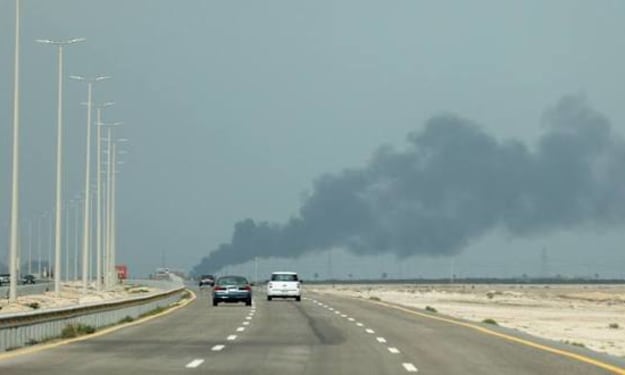
Gulf states have lost an estimated $15 billion in energy revenues since the start of the ongoing war in the region, according to analysts tracking the impact on the global oil and gas markets. The losses have been driven by a combination of disrupted production, damaged infrastructure, and reduced demand from international buyers, highlighting the economic vulnerability of nations heavily reliant on hydrocarbon exports. The conflict, which erupted earlier this year, has affected key energy-producing countries in the Gulf, including Saudi Arabia, United Arab Emirates, and Kuwait. Analysts report that output reductions, combined with logistical challenges in transporting oil and gas, have led to significant shortfalls in state revenues that fund public services, infrastructure projects, and social programs. “Energy exports are the lifeblood of the Gulf economies,” said an energy market expert. “Any prolonged disruption, particularly in the context of war, has immediate and severe consequences for government budgets and the broader economy.” In Saudi Arabia, one of the world’s largest oil producers, some key export facilities were temporarily suspended due to security threats near shipping routes in the Gulf. While production has gradually resumed, analysts estimate that the country has lost several billion dollars in expected revenues. Similar challenges have affected the UAE and Kuwait, where ports and pipelines have faced intermittent closures and heightened security alerts. The war has also affected global energy markets, contributing to volatility in oil and gas prices. While higher prices could offset some revenue losses for producers, the ongoing instability has discouraged long-term contracts and international investment, reducing the financial resilience of Gulf states. Shipping insurance premiums have surged, and some international buyers have delayed purchases due to fears of supply disruption. For nations heavily dependent on oil revenues, the losses are particularly concerning. Gulf states allocate a significant portion of their budgets to public welfare, infrastructure, and economic diversification initiatives. The sudden drop in income has forced governments to reassess spending priorities and consider measures such as tapping sovereign wealth funds, issuing bonds, or delaying capital projects. Some analysts warn that prolonged conflict could deepen economic strain. If the war continues for several months or expands geographically, the losses in energy revenue could rise sharply, potentially exceeding $20 billion. “The longer the conflict persists, the greater the economic damage will be,” said one regional economist. “Even minor disruptions to production or export routes can cascade into substantial fiscal shortfalls.” The economic impact is compounded by other global pressures, including fluctuating demand from major energy consumers and competition from alternative suppliers. European and Asian buyers have been seeking diversified sources of oil and gas, and sanctions or logistical hurdles have sometimes forced Gulf exporters to redirect shipments or renegotiate contracts at lower prices. In response, Gulf governments have ramped up security measures around energy infrastructure, including pipelines, refineries, and shipping lanes. Military patrols and aerial surveillance have been increased to safeguard exports, but analysts note that these measures add to operational costs and do not eliminate the risk of further revenue losses. Some states have also accelerated efforts to diversify their economies to reduce dependence on hydrocarbons. Projects in renewable energy, technology, tourism, and finance are being prioritized to create alternative sources of revenue. However, analysts caution that such diversification efforts are long-term solutions and cannot immediately offset the financial losses caused by the war. The International Energy Agency (IEA) has highlighted the broader implications of the Gulf revenue losses, noting that disruptions in the region can ripple through global markets. Reduced supply from major Gulf producers can drive up prices elsewhere, affect energy security for dependent nations, and influence inflationary pressures worldwide. While Gulf states continue to manage immediate fiscal challenges, officials are closely monitoring the situation. Contingency plans for energy exports, emergency budget measures, and diplomatic efforts to contain the conflict are all being considered. Experts emphasize that a resolution to the war, or at least a stabilization of key export routes, will be critical to restoring financial stability and ensuring the long-term viability of government programs. The $15 billion revenue loss is a stark reminder of the fragility of oil-dependent economies in the face of geopolitical conflict. As the Gulf navigates this challenging period, governments must balance short-term fiscal needs with longer-term strategic planning, ensuring that both immediate and future economic stability are safeguarded. The coming months will be pivotal, with analysts predicting that energy revenues, market confidence, and regional stability are all tightly intertwined, and the trajectory of the war will determine the scale of financial losses for Gulf states in 2026 and beyond.
By Fiaz Ahmed a day ago in Journal



Comments
There are no comments for this story
Be the first to respond and start the conversation.