
Hiring an Architect in Belgium: When It's Required, What They Do, and How to Choose One
Architect in Belgium
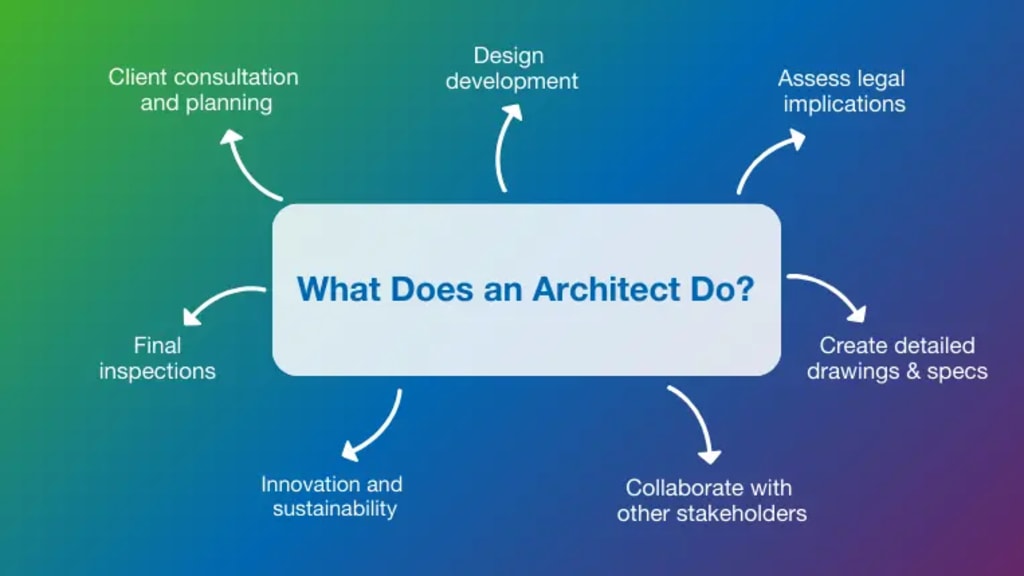
Planning to build, renovate, or expand a property in Belgium? Then chances are, you’ll need to work with a certified architect. This isn't just a matter of preference — in many cases, it’s a legal obligation. Belgian law is very clear when it comes to construction and renovation work: an architect must be involved when certain conditions are met.
In this guide, we’ll break down what an architect does in Belgium, when their services are mandatory, and how the system works for anyone who wants to start a building project — whether you're a local or a foreigner new to the Belgian system.
Why Are Architects So Central in Belgium?
Architects in Belgium aren’t just designers. They’re licensed professionals who hold legal responsibility for ensuring construction projects comply with urban planning, technical standards, and regional building laws. Unlike in some other countries where you might hire a builder directly, in Belgium, the architect is the primary point of reference throughout most of the project.
That means when you want to modify a structure — even add a window, build an extension, or change the usage of a space — you likely need to hire an architect. This isn't just best practice; it's the law.
For more detailed insights, you can refer to this article about architects in Belgium on our website.
When Is an Architect Legally Required?
You are required by law to use a licensed architect in Belgium for:
- Constructing a new building, whether residential or commercial.
- Modifying the volume or structure of an existing building (e.g., tearing down a wall, adding a floor).
- Converting non-residential space (like an attic, garage, or office) into a living area.
- Expanding a property (adding rooms, terraces, or extensions).
- Changing the purpose of a building (turning a warehouse into an apartment, for instance).
- Energy renovation work involving insulation or structural changes.
If your work affects the structure or exterior of the building, you can safely assume you’ll need an architect involved. For smaller interior works — like painting, changing floors, or replacing non-load-bearing partitions — you might not need one.
But here's the catch: even some small works can trigger the need for a building permit depending on the region. When that happens, an architect becomes mandatory.
What Does an Architect Actually Do?
The role of the architect in Belgium includes a range of tasks that go well beyond sketching plans. Legally, their duties include:
- Designing the project based on your needs, the site, and legal constraints.
- Preparing the documents needed for a building permit application.
- Submitting the plans to the local urban planning office.
- Coordinating with the local commune for feedback or required changes.
- Overseeing the construction process to ensure compliance with approved plans.
Acting as a legal and technical intermediary between you, contractors, and the administration.
In short, the architect is responsible for ensuring that your project adheres to the law — and if something goes wrong structurally, they may be held liable.
How Does One Become an Architect in Belgium?
Only individuals registered with the Ordre des Architectes (in French) or Orde van Architecten (in Dutch) are allowed to practice legally as architects in Belgium.
To get there, a person needs to:
- Earn a recognized degree in architecture from a Belgian or European university.
- Complete a mandatory internship, which lasts at least two years and must be under the supervision of an experienced architect.
- Pass the final registration exam, which tests their professional competence.
Once registered, architects are obligated to follow a strict professional code of ethics and must hold liability insurance. These requirements aim to maintain a high standard of service and protect clients from poorly executed or non-compliant construction.
You can verify an architect’s registration by checking with the Ordre des Architectes, or by browsing directories for architects in your region.
Regional Differences: Brussels, Flanders, and Wallonia
Belgium is a federal country with three regions — each having its own rules around construction, permits, and planning. This can affect how long it takes to get permits approved and what documents are required.
Brussels has strict regulations due to its urban density.
Flanders focuses heavily on energy efficiency and ecological design.
Wallonia tends to be a bit more flexible but still has formal requirements.
Regardless of region, the architect will help you navigate local rules and ensure your project moves forward without delays.
- Step-by-Step: How the Process Typically Works
Let’s walk through how it usually goes when you hire an architect in Belgium:
- Initial Meeting & Site Visit. You discuss your needs, vision, and budget. The architect visits the site to assess feasibility.
- Preliminary Design Proposal. They’ll prepare initial sketches, assess urban planning rules, and offer possible layout options.
- Building Permit Application. Once you approve the concept, the architect prepares technical drawings and all required documentation to submit to the municipality for a building permit.
- Permit Follow-up. The architect communicates with the commune, responds to technical questions, and adapts plans if needed.
- Construction Supervision. After permit approval, they manage the execution phase — visiting the site, checking compliance, and solving problems that pop up during construction.
- Final Approval & Delivery. When works are finished, the architect ensures everything is up to code and signs off, if required, to complete legal obligations.
How Much Does It Cost to Work With an Architect?
Fees in Belgium are not fixed by law, but most architects will charge based on:
- A percentage of the total construction cost (usually between 7% to 15%).
- A flat fee for small projects.
- An hourly rate for consultation-only work.
It’s crucial to agree in writing on the scope of the work and the payment structure. Some architects will offer “à la carte” services — for example, designing only the plans without following up on construction. Others will take on the full package, including contractor coordination.
Always compare offers and check what’s included in the price. Don’t just go for the cheapest option — the architect’s job is too important for that.
Can You Work Without an Architect?
Yes, but only under certain conditions. If you’re doing minor internal renovations that don’t require a building permit, you might not need an architect. Examples:
- Interior painting and wallpaper.
- Changing kitchen or bathroom furniture.
- Replacing non-structural elements (like floors, doors, or light fixtures).
- But again, the rules vary by region. Even building a small garden shed or putting solar panels on your roof might require a permit — and thus, an architect — in some cases.
To avoid trouble, always check with your local commune or ask a certified architect whether your project is exempt.
What Happens If You Skip the Architect?
This is where things can go south. If your project requires an architect and you skip that step:
- Your building permit could be rejected or revoked.
- You may face fines from the municipality.
- You could be forced to undo the work or demolish illegal structures.
- Your property may become difficult to sell due to non-compliance.
Insurers may refuse coverage for damage resulting from unapproved or non-compliant work.
It’s just not worth the risk. An architect protects you legally and technically — and gives your project professional weight when dealing with authorities.
Where to Find an Architect?
Besides personal referrals and local directories, online platforms can help too. WelcomeBelgium is a good place to start if you’re a newcomer or need English-language help understanding the Belgian system.
You can also browse local lists provided by regional authorities or the official Ordre des Architectes website, where all certified professionals are listed.
Final Words
Hiring an architect in Belgium is more than a legal box to tick — it’s the smartest way to avoid pitfalls in your construction or renovation project. They act as your planner, advisor, legal buffer, and quality control expert. Without one, you're flying blind in a complex regulatory landscape.
Whether you're building your dream home or just planning to make a few structural changes, make sure to talk to a certified architect first. It could save you a mountain of stress — and a ton of money — down the line.
Tip for newcomers: If you're overwhelmed by Belgian paperwork, regional differences, or permit jargon, check out the full resource section on WelcomeBelgium — it’s got what you need in simple English.
About the Creator
Keep reading
More stories from Ретро Мания and writers in Journal and other communities.
Shopping in Belgium: From Boutique Finds to Market Treasures
Belgium is not only known for its medieval towns, exquisite chocolate, and fine beer—it's also a shopper’s paradise for those who enjoy a mix of elegance, tradition, and discovery. Whether you're wandering the grand boulevards of Brussels or exploring the hidden gems of smaller cities, Belgium’s shopping experience offers something truly special. With a perfect blend of modern retail, local artisanship, and old-world charm, shopping in Belgium is more than just a transaction—it’s a cultural experience.
By Ретро Мания9 months ago in Journal
Author’s Advice
If you would’ve asked me 20 years ago did I know I’d become a writer and an author, I would’ve said “nope, ain’t happening”. As fate would have it I did become an author and I can honestly say I’m loving it so far. It really does feel good to be a writer. I’ve learned a lot on this journey and I feel like with even me being as new to this world as I am, there’s some wisdom I need to share with every other aspiring author.
By Joe Patterson5 days ago in Journal
Why Didn't Anyone Tell Us
Men, move along. This is not for you. This is for the women. I was forty-five when I began menopause. It is pretty young for that to be going on in a woman’s life, but I had undiagnosed PCOS, my entire life. Thank you to all the gynecologists I had seen my entire life. That in itself should encourage women to keep seeking second opinions, especially when you are not getting correct answers or any at all.
By Alexandra Grant6 days ago in Humans




Comments
There are no comments for this story
Be the first to respond and start the conversation.