
Here Is How Social Media Likes Influence Your Brain
The mechanism of social networks is designed to be “gyms of narcissism”


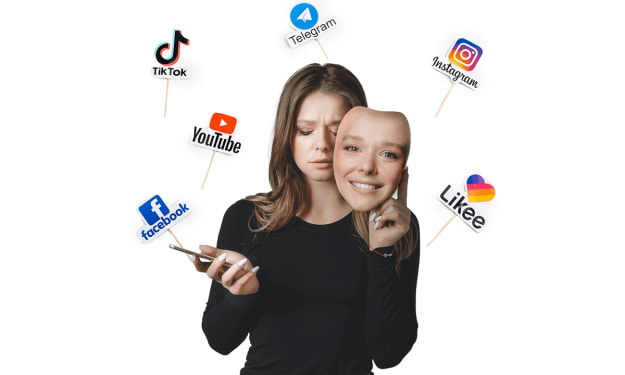
Social media has become an integral part of daily life, particularly among adolescents and young adults. The interaction with likes and positive feedback on platforms such as Instagram and Facebook has significant neurological implications.
When users observe a high number of likes on social media posts, their brains exhibit activity in regions associated with reward processing, such as the nucleus accumbens and the ventral tegmental area (VTA). These areas are also activated by other rewarding stimuli, like food and monetary gains. A study using functional magnetic resonance imaging (fMRI) found that adolescents reacted more positively to images with many likes compared to those with few, indicating that social validation through likes can trigger similar neural responses as other forms of reward.
The likes received on social media have such a strong impact on individuals that the brain manifests it in various ways.
## Dopamine Release and Reward Pathways
When users receive likes on their posts, their brains respond by releasing dopamine, a neurotransmitter associated with pleasure and reward. This process activates brain regions similar to those stimulated by other rewarding experiences, such as eating chocolate or winning money. Specifically, the ventral tegmental area (VTA) and the striatum are crucial in this reward circuitry. Research indicates that the more likes a post receives, the greater the activation in these areas, reinforcing the behavior of posting for social approval.
##Impact on Teen Behavior and Decision-Making
A study conducted at UCLA demonstrated that teenagers are particularly susceptible to peer influence when it comes to social media interactions. In this study, teens displayed increased likelihood to like photos that had received many likes themselves, indicating a conformity effect driven by perceived social endorsement. This phenomenon highlights how social validation can shape decision-making processes in adolescents. Furthermore, exposure to risky content on social media may diminish cognitive control and inhibit decision-making, potentially leading to riskier behaviors.
## Cognitive and Emotional Effects
The constant stimulation from social media can alter cognitive functions, including attention span and memory. Regular use has been linked to difficulties in maintaining focus due to the competing stimuli presented by notifications and endless scrolling. This multitasking environment can hinder cognitive performance and even shrink brain areas responsible for concentration. Additionally, feelings of exclusion or low engagement can activate emotional processing centers in the brain, leading to negative emotional states such as anxiety or depression when users perceive a lack of interaction.
## Psychological Implications
There is a strong correlation between high social media usage and mental health issues such as anxiety and depression among adolescents. The pressure to maintain an online persona and the potential for negative feedback can exacerbate feelings of inadequacy and loneliness.
##Comparison and Validation
Many individuals use social media as a platform for self-presentation, often comparing themselves to their peers. This comparison can lead to feelings of inadequacy, especially when they perceive others as having more likes or followers. Research indicates that unpopular teens may engage in "upward comparisons," feeling inferior to more popular peers, which can exacerbate feelings of low self-worth and contribute to symptoms of depression.
## Long-Term Implications
The long-term effects of social media engagement are still being studied, but there is growing concern about its impact on mental health. Users often compare their lives to the curated images they see online, which can lead to feelings of inadequacy and lower self-esteem. This cycle of comparison is exacerbated by the addictive nature of likes and comments, which create a feedback loop that can lead to dependency on social media for validation.
##Conclusion
In summary, social media likes significantly influence brain activity related to reward processing, decision-making, and emotional responses. While these platforms offer opportunities for connection and self-expression, they also pose risks for mental health and cognitive function, particularly among younger users. Understanding these dynamics is crucial as society continues to navigate the complexities of digital interaction.
About the Creator
Ninfa Galeano
Journalist. Content Creator. Media Lover. Geek. LGBTQ+.
Visit eeriecast ,where you'll find anonymous horror stories from all over the world. Causing insomnia since 2023.
Keep reading
More stories from Ninfa Galeano and writers in Journal and other communities.
The goals I did not achieve
Every writing goal I made for the year is a wash. It has been this way for a while, but I think it's important to be open about my failures and the reality of how life can get in the way. This is especially true considering the several times I have posted on Vocal about my writing goals, how I was changing my approach, and where I was hoping to be for the upcoming year. I will probably do that again in a couple months, but for now, it is time to acknowledge where I am today.
By Kay Husnick18 days ago in Journal
The Councils of the Church and Why They Were Important
The Catholic Church has faced countless challenges since its founding, from doctrinal disputes to external persecution. One of the most important ways the Church has maintained unity, clarified its teachings, and preserved the faith is through ecumenical and local councils. Church councils are formal gatherings of bishops and Church leaders to deliberate on matters of doctrine, discipline, and practice. These gatherings have shaped Christianity as we know it today, ensuring that the Church remains faithful to the teachings of Christ and the apostles.
By Sound and Spiritabout an hour ago in Journal


Comments
There are no comments for this story
Be the first to respond and start the conversation.