
Haru Urara, Japan’s Most Lovable Losing Racehorse and the Legacy That Lives Beyond Her Death at 29
Haru Urara Dies At 29

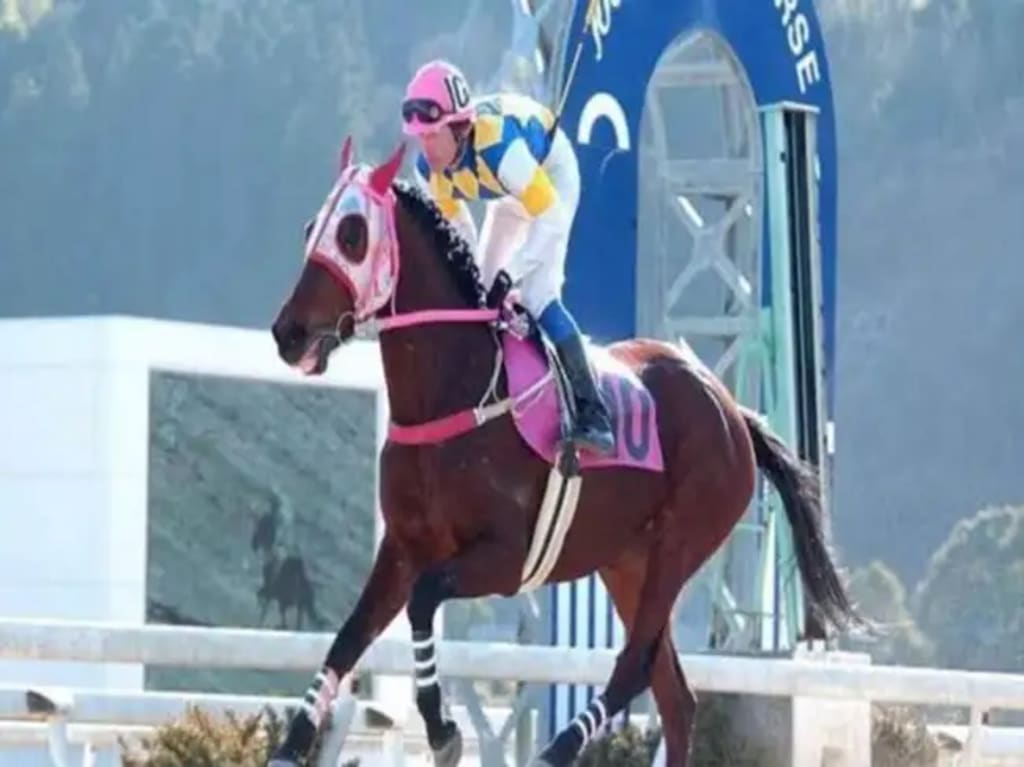
On September 9, 2025, Japan lost one of its most endearing cultural icons. Haru Urara, the racehorse that never won a race yet captured the hearts of millions, passed away at the age of 29 at Martha Farm in Chiba Prefecture.
Her death, caused by horse colic, was mourned not just in Japan but across the globe, especially by fans of Umamusume: Pretty Derby, the mobile game and anime franchise where Haru Urara was immortalized as a pink-haired character who embodied resilience, optimism, and the spirit of never giving up.
But Haru Urara’s story is more than just about racing. It is about perseverance in the face of constant defeat, about how society came to embrace failure as a form of beauty, and about how a horse that lost 113 races became one of Japan’s most cherished symbols of hope.
In this blogpost, we dive deep into Haru Urara’s life, her racing career, her transformation into a national icon, her role in the Umamusume phenomenon, and the enduring legacy she leaves behind.
The Birth of a Legend: Haru Urara’s Early Life
Born on February 27, 1996, in Hokkaido, Japan’s horse-breeding heartland, Haru Urara was sired by Nippo Teio, a respected racehorse, and her dam was Heroine, a lesser-known mare. Her name translates as “Glorious Spring” or “Gentle Spring”, a title full of promise and beauty.
But from the very beginning, fate had other plans. Unlike other foals destined for greatness, Haru Urara showed average ability during training. Trainers did not predict stardom, yet no one expected the extraordinary cultural phenomenon she would later become.
She debuted on November 17, 1998, at the Kōchi Racetrack in Shikoku. That day, she came in last among five racers. It was the start of a career defined not by victories, but by losses—losses that would eventually turn into triumphs of the human spirit.
A Career Defined by Defeat
For the next six years, Haru Urara raced relentlessly. Sometimes once a month, sometimes twice. But no matter how hard she ran, the finish line never greeted her with victory.
By 2003, Haru Urara had lost 80 consecutive races. At this point, most horses would have retired, considered unprofitable or unworthy of further racing. But something unexpected happened.
The Japanese media began covering her story. They didn’t frame her as a failure. Instead, they celebrated her courage to keep running. She was called “the shining star of losers everywhere”. Her pink checkered bridle became her signature, a visual reminder of her charm and grit.
Her losing streak became her identity, and people who felt crushed by life’s defeats saw in her a mirror of their own struggles.
The Haru Urara Phenomenon: A Nation Falls in Love
In 2003–2004, Haru Urara became a national sensation.
Newspapers wrote daily updates about her races.
Television programs aired features on her life.
Crowds began filling the stands at the small Kōchi Racetrack, cheering not for victory but simply for her effort.
Prime Minister Junichiro Koizumi famously declared, “It’s good to have something you can support wholeheartedly, even if it loses.”
Merchandise flooded stores—Haru Urara keychains, plush toys, T-shirts, and even lottery tickets. In fact, the Japanese government printed special Haru Urara lottery tickets, turning her into a symbol of hope and luck.
Her popularity brought attention to the struggling Kōchi Racetrack, which had been nearing bankruptcy. Thanks to Haru Urara, the racetrack enjoyed record-breaking attendance, saving it from closure.
The Defining Moment: Race Against Deep Impact
On March 22, 2004, Haru Urara ran her most famous race. She was matched against Deep Impact, who would later become one of Japan’s greatest racehorses.
The hype was extraordinary. Over 13,000 fans gathered at Kōchi Racetrack, far beyond its normal attendance. Everyone knew Haru Urara couldn’t win, but they came anyway—to cheer, to cry, to be part of a shared emotional experience.
As expected, she lost. But that day was not about winning. It was about defying odds, about showing up even when defeat was certain. That race cemented her status as Japan’s most lovable loser.
Retirement and Life After Racing
Haru Urara ran her last professional race in August 2004, retiring with an official record of:
113 races
0 wins
113 losses
Yet retirement did not end her fame. She lived out her years at Martha Farm in Chiba, where fans continued to visit her. She became a tourist attraction, a living legend of resilience.
In 2019, long after her racing career ended, she finally “won” something—an unofficial time trial race for older horses where she set the best time. It was symbolic, as if the universe had finally rewarded her persistence.
Haru Urara in Umamusume: Pretty Derby
Haru Urara’s story found new life in the world of anime and gaming.
In 2021, Cygames launched Umamusume: Pretty Derby, a mobile game and anime franchise where famous racehorses are reimagined as anime girls with horse traits. Haru Urara was among the original characters, depicted as a cheerful, optimistic pink-haired girl who never gives up despite always finishing last.
For younger generations unfamiliar with her real-life story, Umamusume introduced Haru Urara as a symbol of resilience. She became a fan-favorite character, inspiring memes, fan art, and community discussions.
When the game launched globally in June 2025, Haru Urara’s popularity surged once again, with international players discovering the real horse behind the character.
The Tragic End: Death at 29
On September 8, 2025, Haru Urara suddenly fell ill. Her caretaker, Yuko Miyahara, noticed signs of distress and called a veterinarian. The diagnosis was horse colic, a severe and often fatal condition in horses caused by gas buildup and intestinal blockage.
Staff at Martha Farm stayed with her through the night, comforting her. But by dawn on September 9, her condition worsened, and she passed away surrounded by people who loved and cared for her.
She was 29 years old—equivalent to nearly 90 years in human terms. Until the day before her death, she had been in good health, even receiving visits from fans.
Global Tributes and Condolences
After her passing, tributes poured in:
Cygames, developer of Umamusume: Pretty Derby, released a heartfelt statement:
“It is with heavy hearts that we share that Haru Urara passed away on September 9. Her legacy serves as the inspiration for the character of the same name in Umamusume: Pretty Derby. We share our condolences to all staff involved in her care.”
Fans across social media expressed grief, posting artwork, poems, and memories of Haru Urara.
Racing communities in Japan and abroad celebrated her not for her records, but for her unshakable spirit.
Haru Urara and the Psychology of Losing
Why did Haru Urara captivate so many hearts despite never winning?
The answer lies in human psychology. We live in societies obsessed with victory, rankings, and records. But deep down, most people know what it feels like to lose—whether in careers, relationships, or personal struggles.
Haru Urara became a mirror of our struggles, a reminder that even in failure, there can be dignity, perseverance, and even joy. She showed that sometimes the journey itself—not the result—is what inspires people.
The Legacy of Haru Urara
Haru Urara’s impact extends far beyond racing.
Cultural Symbol of Hope – She turned failure into beauty, teaching people that persistence matters more than victory.
Economic Savior – She saved the Kōchi Racetrack from financial ruin.
Anime and Gaming Icon – Her legacy lives on in Umamusume: Pretty Derby, connecting with younger audiences.
Charity and Community – Through the Fresh Hay Bank crowdfunding initiative, fans donated thousands of kilograms of ryegrass to her and other retired horses.
Global Recognition – From Japan to the West, she became a symbol of underdogs everywhere.
Lessons From Haru Urara’s Story
Haru Urara’s story teaches us:
It’s okay to lose: Defeat does not define worth.
Show up anyway: Even when the odds are impossible, persistence inspires others.
Community matters: People will rally behind authenticity, not perfection.
Legacies are built on meaning, not medals: Haru Urara never won a race, yet she won people’s hearts forever.
Farewell to a Shining Star
As Haru Urara takes her final rest, her story continues to inspire millions. She was more than just a racehorse. She was a symbol of endurance, humility, and hope.
In a world obsessed with winning, Haru Urara reminded us that losing with grace and courage can be more powerful than victory itself.
She may have left this world, but her spirit gallops on—in the hearts of fans, in the digital world of Umamusume, and in the legacy of a horse who never won, yet never truly lost.
About the Creator
Omasanjuwa Ogharandukun
I'm a passionate writer & blogger crafting inspiring stories from everyday life. Through vivid words and thoughtful insights, I spark conversations and ignite change—one post at a time.
Keep reading
More stories from Omasanjuwa Ogharandukun and writers in Journal and other communities.
Everything We Know So Far About House of the Dragon Season 3
This is another deep dive into Game of Thrones and House of the Dragon. We’re breaking down everything we currently know about House of the Dragon Season 3, now that the story has fully entered the most brutal phase of the Targaryen civil war—the infamous Dance of the Dragons.
By Bella Andersonabout 18 hours ago in Journal


Comments
There are no comments for this story
Be the first to respond and start the conversation.