
Hair Transplants in Turkey: Affordable Solutions for Canadians Seeking Hair Restoration
Affordable Hair Transplants: Why Turkey is the Top Choice for Canadians
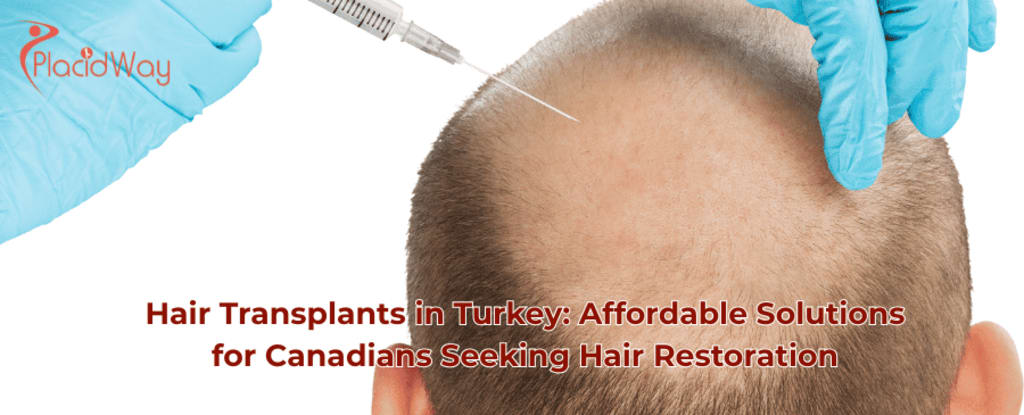
For many Canadians experiencing hair loss, the dream of a full, natural-looking head of hair can seem financially out of reach. With domestic procedures costing tens of thousands of dollars, a growing number of individuals are looking abroad for high-quality, affordable solutions. Turkey has firmly established itself as the global leader in hair restoration, offering state-of-the-art procedures performed by world-class surgeons at a fraction of the Canadian cost. This comprehensive guide explores everything Canadians need to know about pursuing a hair transplant in Turkey.
Key Takeaways
- Significant Savings: Canadians can save up to 80% on hair transplant procedures by choosing a clinic in Turkey compared to costs in Canada, without compromising on quality.
- All-Inclusive Packages: Most Turkish clinics offer comprehensive packages that include the surgery, luxury accommodation, VIP airport and clinic transfers, translation services, and post-operative care, providing a seamless and stress-free experience.
- Advanced Technology: Turkish surgeons are highly experienced in the latest techniques, such as Sapphire FUE and DHI, ensuring minimal scarring and natural-looking, dense results.
Cost Comparison:
Turkey: All-inclusive FUE or DHI packages for 3,000-5,000 grafts typically range from $3,500 to $8,500 CAD.
Canada: The same number of grafts can cost between $15,000 and $30,000 CAD, often excluding accommodation and other logistical expenses.
USA: Costs are comparable to or even higher than in Canada, often exceeding $20,000 USD.
Why are Canadians Choosing Turkey for Hair Transplants?
The primary drivers for this medical tourism trend are the dramatic cost savings, access to highly specialized and experienced surgeons, and the all-inclusive nature of the packages which simplify the entire process.
Turkey has created an unparalleled ecosystem for medical tourism, particularly in the field of hair restoration. The Turkish government actively supports and regulates the health tourism sector, ensuring that clinics adhere to high international standards. For Canadians, the appeal extends beyond just the price. Surgeons in Istanbul perform hundreds, if not thousands, of procedures annually, giving them a level of experience that is difficult to find elsewhere. This high volume leads to refined techniques, greater efficiency, and consistently excellent outcomes. Furthermore, the fierce competition among clinics ensures that patients receive five-star service, from the moment they land at the airport to their final follow-up consultation.
Understanding the Types of Hair Transplant Procedures in Turkey
Modern hair transplants primarily use two advanced, minimally invasive methods: Follicular Unit Extraction (FUE) and Direct Hair Implantation (DHI), with Sapphire FUE being a popular refinement of the standard FUE technique.
Choosing the right technique is a critical decision that will be made in consultation with your surgeon based on your specific pattern of hair loss, the quality of your donor hair, and your desired outcome.
Follicular Unit Extraction (FUE)
FUE is the most common and versatile method. It involves extracting individual hair follicles (grafts) from the donor area—typically the back and sides of the head—using a specialized micro-punch tool. The surgeon then creates tiny incisions in the recipient (balding) area before manually implanting these grafts. It is ideal for covering larger areas of baldness.
Sapphire FUE
This is an advanced variation of the FUE method. Instead of traditional steel blades for creating incisions in the recipient area, surgeons use blades made from sapphire, a precious gemstone. These sapphire blades are sharper, more durable, and allow for the creation of finer, more precise V-shaped channels. This can lead to less tissue damage, reduced scabbing, and a faster healing process, while also allowing for a denser packing of grafts.
Direct Hair Implantation (DHI)
The DHI technique is a modification of FUE where extraction and implantation are combined into a nearly simultaneous process. Hair follicles are extracted and then loaded into a specialized tool called a Choi Implanter Pen. This pen allows the surgeon to implant the follicle directly into the recipient area without needing to create pre-made incisions. This method offers precise control over the angle, depth, and direction of implantation, which is particularly beneficial for creating natural-looking hairlines and increasing density in smaller areas.
Feature Follicular Unit Extraction (FUE) Direct Hair Implantation (DHI)
Implantation Method Pre-made incisions, then manual graft placement. Direct implantation using a Choi Implanter Pen.
Best For Covering large areas of baldness. Increasing density, hairline refinement, smaller areas.
Shaving Typically requires the full head to be shaved. May only require the donor area to be shaved.
Procedure Time Generally faster for a large number of grafts. Can be slightly longer due to the meticulous process.
Handling of Grafts Grafts are harvested and stored before implantation. Minimal time for grafts outside the body.
The Cost of a Hair Transplant in Turkey: A Detailed Breakdown for Canadians
The all-inclusive package model in Turkey provides exceptional value, with total costs often being 70-80% lower than the procedure-only cost in Canada.
The primary reason for the significant price difference is not a lack of quality but Turkey's lower cost of living, favorable currency exchange rates for Canadians, and intense market competition. A procedure that might cost $20,000 CAD in Toronto or Vancouver could be available for $4,500 CAD in Istanbul, with flights, a 4 or 5-star hotel, and all ground transportation included.
Here’s a look at what a typical all-inclusive package covers:
The Procedure: The hair transplant surgery itself, for the maximum number of grafts possible for your case.
Surgeon & Clinic Fees: All costs associated with the medical team and facility.
Accommodation: 3-4 nights in a high-quality hotel.
VIP Transfers: All airport-to-hotel and hotel-to-clinic transportation.
Translator Services: An interpreter to assist you during your consultations and procedure.
Post-Op Medications & Care Kit: All necessary shampoos, lotions, and medications for aftercare.
Are You a Good Candidate for a Hair Transplant?
Ideal candidates are typically those with sufficient healthy donor hair on the sides and back of their head to transplant to the balding areas, and whose hair loss has stabilized.
A surgeon will assess your candidacy based on several factors. The most common tool for classifying male pattern baldness is the Norwood Scale. This scale ranges from Stage 1 (no significant hair loss) to Stage 7 (extensive baldness). Generally, individuals between Stage 3 and Stage 6 are considered good candidates. Other important factors include:
Age: It's often recommended to wait until your late 20s or 30s when your hair loss pattern is more established.
Donor Area Density: The health and density of your donor hair are crucial for achieving a full result.
Hair Type: The thickness and color of your hair can impact the final aesthetic. Thicker hair often provides more coverage.
Realistic Expectations: Understanding the limitations and likely outcomes of the procedure is key to patient satisfaction.
Did You Know?
A single hair transplant session in Turkey can involve implanting over 5,000 grafts. A "graft" is a tiny piece of scalp containing 1 to 4 individual hair follicles. This high number of grafts in one session is a key reason for the dramatic transformations seen in before-and-after photos from Turkish clinics.
The Step-by-Step Journey for a Canadian Patient
Turkish clinics have perfected the medical tourism experience, offering a streamlined and supportive process that typically spans 3 to 4 days in Istanbul.
Step 1: The Initial Online Consultation: Your journey begins from the comfort of your home in Canada. You will send clear photos of your head (front, top, sides, and back) to your chosen clinic. A consultant and surgeon will assess your hair loss, estimate the number of grafts needed, recommend the best technique (FUE or DHI), and provide a detailed, all-inclusive quote.
Step 2: Travel and Arrival in Turkey: Once you book your procedure, the clinic will often assist with hotel reservations. Upon arrival at Istanbul Airport (IST), a VIP transfer service will be waiting to take you directly to your hotel.
Step 3: The Day of the Procedure: You'll be transported from your hotel to the clinic. Here, you'll have an in-person consultation with your surgeon to finalize the plan and design your new hairline. The procedure itself is performed under local anesthesia and can take 6-9 hours.
Step 4: Recovery and Aftercare in Turkey: The day after the surgery is typically for rest. On day two or three post-op, you will return to the clinic for a check-up, bandage removal, and the first gentle wash. The medical team will provide you with detailed instructions and a care package for the following weeks.
Step 5: Returning to Canada and Long-Term Care: You are typically cleared to fly back to Canada after your final check-up, usually 3-4 days after your arrival. The clinic will remain in contact for follow-up, tracking your progress over the next 12-18 months as your new hair grows in.
How to Choose the Best Hair Transplant Clinic in Turkey
With hundreds of clinics to choose from, thorough research is essential to ensure you select a reputable, safe, and high-quality provider.
Not all clinics are created equal. To protect your investment and your health, look for these key indicators of a trustworthy clinic:
Surgeon's Involvement: The surgeon should be the one designing your hairline and performing the critical parts of the procedure, not just technicians.
Accreditations and Certifications: Look for clinics operating within internationally accredited hospitals and that are fully certified by the Turkish Ministry of Health.
Verifiable Reviews and Results: Seek out reviews from Canadian patients on independent platforms. Scrutinize before-and-after photos for natural-looking hairlines and consistent results.
Transparency: A reputable clinic will be transparent about pricing, what's included in the package, the surgeon's credentials, and potential risks.
Expert Insight
"The most critical factor for a natural result is the design of the hairline and the meticulous placement of single-hair grafts at the very front. An experienced surgeon understands facial anatomy and artistry, not just the technical aspects of transplantation. Never choose a clinic based on price alone; prioritize the surgeon's expertise and portfolio." - A leading hair restoration surgeon.
Recovery Timeline and What to Expect After Your Procedure
Patience is key. While the initial recovery is quick, the final results of a hair transplant can take up to 18 months to fully materialize.
Your recovery journey will happen in stages:
Timeframe What to Expect
First 2-5 Days Mild swelling, redness, and tiny scabs will form around each implanted graft. You will need to sleep with your head elevated.
Week 1-2 Scabs will begin to fall off. The transplanted hairs may also start to shed ("shock loss"), which is a normal part of the process.
Month 1-3 The "ugly duckling" phase. Most of the transplanted hairs will have fallen out, and your scalp will be healing.
Month 3-6 New, fine hairs will begin to sprout. This is the first sign of new growth.
Month 6-9 Growth becomes more significant. The hair will thicken, and you'll start to see a noticeable improvement in coverage.
Month 12-18 The final result is visible. The hair has matured, thickened, and can be styled as you wish.
Frequently Asked Questions (FAQ)
1. Is it safe to get a hair transplant in Turkey?
Yes, it is very safe, provided you choose a reputable clinic that is certified by the Turkish Ministry of Health and operates in a modern, hygienic hospital. The key is to do thorough research and select a clinic with experienced, qualified surgeons.
2. How long do I need to stay in Turkey for the procedure?
Most all-inclusive packages are designed for a 3 to 4-day stay. This includes your arrival, consultation and procedure day, a rest day, and a final check-up/first wash before you fly home.
3. Will my hair transplant look natural?
When performed by a skilled and experienced surgeon, the results are virtually undetectable. An expert surgeon meticulously designs the hairline to suit your facial structure and implants grafts at the correct angle and density to mimic natural hair growth.
4. How many grafts will I need?
The number of grafts depends on the extent of your hair loss (your Norwood scale stage) and your desired density. A typical full procedure for significant balding can range from 3,000 to 5,000+ grafts. This will be determined during your online consultation.
5. Is the procedure painful?
The procedure is performed under local anesthesia, so you will not feel any pain during the surgery itself. Some mild discomfort, tightness, or soreness can be expected in the donor and recipient areas for a few days post-op, which is easily managed with the provided pain medication.
6. Are the results of a hair transplant permanent?
Yes, the transplanted hair follicles are harvested from the donor area, which is genetically resistant to the hormone (DHT) that causes male pattern baldness. These follicles retain their resilient characteristics when moved to the new area, making the results permanent.
Take the Next Step with PlacidWay
Ready to restore your hair and your confidence? The journey to a fuller head of hair is more accessible and affordable than you think. PlacidWay connects you with a network of pre-vetted, world-class hair transplant clinics in Turkey. Let us help you get free, no-obligation quotes from top-rated surgeons. Compare packages, review patient testimonials, and find the perfect solution tailored to your needs and budget.
About the Creator
Author’s Advice
If you would’ve asked me 20 years ago did I know I’d become a writer and an author, I would’ve said “nope, ain’t happening”. As fate would have it I did become an author and I can honestly say I’m loving it so far. It really does feel good to be a writer. I’ve learned a lot on this journey and I feel like with even me being as new to this world as I am, there’s some wisdom I need to share with every other aspiring author.
By Joe Patterson5 days ago in Journal
Benefits of Gamification Services in Modern Workplaces
Many people believe gamification services are only about points, badges, and leaderboards. While that is totally not the case. Gamification serves a much deeper purpose in employees' personal lives and the corporate environment.
By jacquelinedavid3 days ago in Journal
Hottest in the Office
Dear Rafi, You’re very distracting to work around. For the first second I saw you the other day, I thought you were some type of executive. It took a moment to realize no, you were just the new guy, dressed up for the job he wants. Be still, my heart.
By Gabriel Shames6 days ago in Pride



Comments
There are no comments for this story
Be the first to respond and start the conversation.