
Grandson of Reese’s Peanut Butter Cups Inventor Is in Pieces Over Missing Milk Chocolate
A family legacy meets modern candy innovation as changes to a beloved treat spark nostalgia, debate, and brand evolution
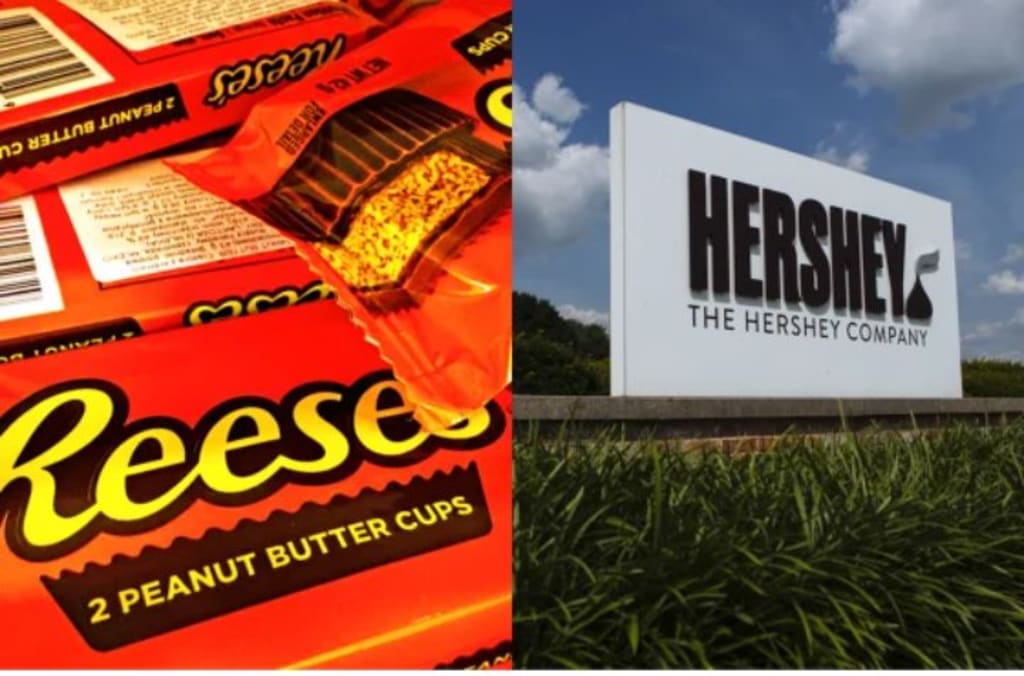
Introduction: When Candy Becomes Personal
For millions of people, Reese's Peanut Butter Cups are more than a snack — they are a cultural icon. The combination of creamy peanut butter and smooth milk chocolate has defined the treat for generations. But a recent shift in product variations has stirred an emotional reaction from someone with a direct connection to the candy’s origins: the grandson of its inventor.
His disappointment over missing milk chocolate in newer versions of the product has reignited conversations about brand identity, innovation, and the delicate balance between tradition and experimentation in the food industry.
A Legacy Rooted in Simplicity
The original candy was created by H. B. Reese, a former dairy farmer who turned his passion for sweets into one of the most successful confections in history. What made the product special was its simplicity — a thick peanut butter center surrounded by a generous layer of milk chocolate.
Over time, the brand grew into a flagship product for The Hershey Company, expanding into countless variations while maintaining the core formula that fans loved.
For the Reese family, the candy represents not just commercial success but a personal legacy tied to craftsmanship and consistency.
The Missing Milk Chocolate Debate
The controversy centers on newer product versions that emphasize peanut butter more heavily or reduce the chocolate coating. Some limited editions and seasonal releases intentionally shift the ratio, offering fans different textures and flavor experiences.
While many consumers enjoy the variety, the inventor’s grandson expressed frustration that the defining milk chocolate layer — what many consider the soul of the candy — feels diminished in certain versions.
His reaction reflects a broader tension in consumer culture: how far can brands innovate before they risk altering what made them iconic?
Innovation vs. Tradition in Modern Candy
The confectionery industry has changed dramatically in recent decades. Companies now release frequent limited editions, collaborations, and experimental flavors to keep consumer interest high in a competitive market.
For Reese’s, this has meant:
Extra peanut butter variations
White chocolate versions
Crispy, caramel, and stuffed editions
Seasonal shapes and novelty formats
These innovations drive sales and social-media buzz, especially among younger consumers seeking new experiences.
Yet the strategy also raises questions about whether constant reinvention can dilute brand identity — particularly for products built on nostalgia.
Why Nostalgia Matters in Food
Food is deeply emotional. Taste is tied to memory, family traditions, and childhood experiences. When a familiar product changes, the reaction can be stronger than expected.
For the Reese family, the milk chocolate coating symbolizes the original vision — balance. Too much peanut butter or too little chocolate shifts that balance and, in their view, changes the essence of the treat.
This emotional response resonates with many consumers who see classic foods as stable anchors in a rapidly changing world.
Consumer Preferences Are Evolving
Despite nostalgia, consumer tastes are not static. Modern buyers often seek:
Stronger flavors
Unique textures
Limited-time exclusivity
Social-media-friendly novelty
Peanut butter-heavy versions appeal to fans who prioritize richness, while others still prefer the traditional balance.
Brands must navigate these competing expectations. Offering variety without alienating loyal customers is one of the biggest challenges in food marketing today.
Brand Storytelling and Family Voices
The grandson’s reaction highlights the power of brand storytelling. Products with clear origins — especially family-founded ones — carry emotional credibility that corporations alone cannot replicate.
When family members speak publicly, they remind consumers that iconic products started as personal creations rather than corporate strategies.
This dynamic can influence perception. Fans may feel protective of the original recipe when they hear family perspectives, even if companies view innovation as necessary growth.
The Business Reality Behind Product Changes
From a business standpoint, variation is essential. Seasonal releases drive repeat purchases, new formats expand shelf space, and experimentation helps brands stay relevant in a crowded market.
Large companies analyze consumer data constantly. If peanut butter-forward versions sell well, production increases. If classic formats remain dominant, they continue leading the lineup.
In most cases, innovation supplements rather than replaces originals. The classic cup still exists — but it now shares attention with dozens of alternatives.
A Broader Cultural Conversation
The debate over missing milk chocolate reflects a larger cultural theme: the tension between authenticity and evolution.
Similar conversations happen across industries — from film remakes to fashion revivals. Audiences want new experiences but also want familiar elements preserved.
Reese’s becomes a case study in how legacy brands navigate that balance. The grandson’s reaction is less about one product variation and more about protecting a founding idea.
What Happens Next?
It is unlikely that the classic formula will disappear. Iconic products endure because they anchor brand identity. However, experimentation will continue as companies chase attention and adapt to changing tastes.
The most successful strategy may be coexistence — preserving the original while exploring new interpretations.
For consumers, that means choice. For brands, it means responsibility.
Conclusion: More Than Candy
The story of the Reese’s inventor’s grandson reacting to missing milk chocolate is about more than confectionery. It highlights how products become cultural symbols and how innovation can feel personal when legacy is involved.
Milk chocolate and peanut butter created one of the most recognizable flavor combinations in the world. Adjusting that balance may excite some fans and disappoint others, but it also shows how living brands evolve.
In the end, the debate underscores a simple truth: the most beloved products are not just recipes. They are memories, identities, and stories passed across generations — making even small changes feel surprisingly significant.
About the Creator
The Cave Part 6
If you have ever heard a tale about yourself that you cannot remember and doubtless think is made up, you will know how I felt when Tharkin related all that the eagle had seen of me before my memories were scattered. Of far distances and traveling companions that I did not recall, camping out under the stars and making our way to the mountains with deliberate purpose. The great bird had lost contact with my party once we entered the forests, and the seven other members were not seen again by him or his brethren since.
By Jamye Sharp7 days ago in Chapters




Comments
There are no comments for this story
Be the first to respond and start the conversation.