
Gold Now Down Nearly $1,000 from Peak as Silver Extends Losses After a Record 31% One-Day Slump
A sudden reversal in precious metals markets has erased historic gains, raising concerns about volatility, speculation, and shifting investor sentiment.

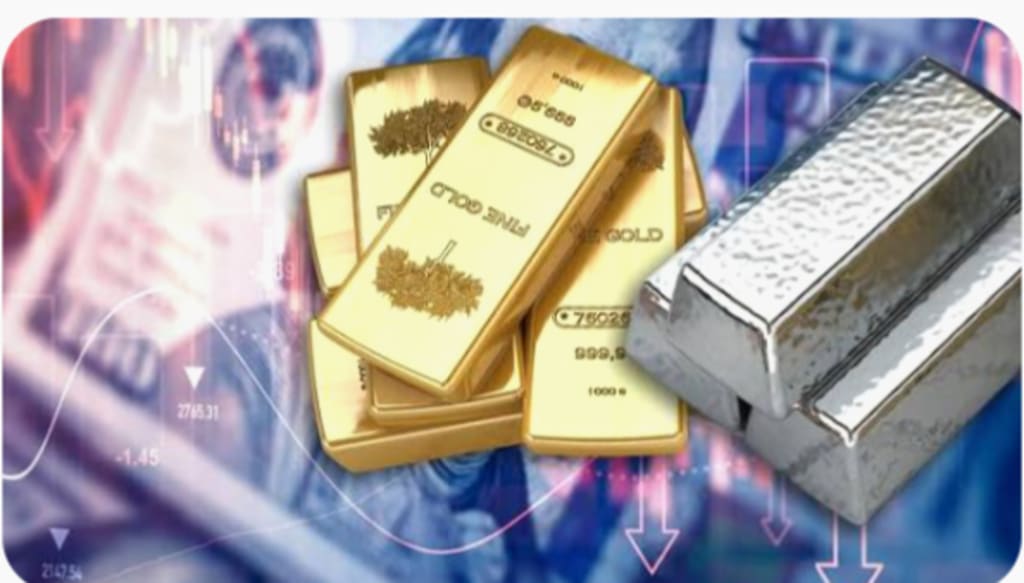
The global precious metals market has taken a dramatic turn. After weeks of soaring prices and record-breaking highs, gold and silver have suddenly plunged, leaving investors stunned and markets scrambling for stability. What was once a powerful rally driven by fear, speculation, and economic uncertainty has quickly turned into one of the sharpest corrections seen in years.
Gold, which recently touched historic highs, is now down nearly $1,000 per ounce from its peak. Silver suffered even more severe losses, recording a shocking 31% drop in a single day, the steepest one-day decline in modern trading history. Together, these movements signal a major shift in market sentiment and highlight the volatility that can accompany rapid price surges.
From Record Highs to Sudden Reversal
Just days ago, precious metals were the star performers of the financial markets. Investors flocked to gold and silver as safe-haven assets amid inflation concerns, geopolitical tensions, and fears of currency instability. Prices surged as demand skyrocketed, pushing both metals into uncharted territory.
However, the rally proved unsustainable. Once prices reached extreme levels, traders began locking in profits. This wave of profit-taking triggered a cascade of sell orders that quickly gained momentum. As key support levels were broken, panic selling followed, turning a healthy correction into a historic collapse—especially for silver.
Gold’s fall of nearly $1,000 from its peak represents one of the fastest downturns in recent history, while silver’s dramatic slump underscores just how speculative the market had become.
Why Did Prices Collapse So Fast?
Several factors combined to create the perfect storm for precious metals:
1. Profit-Taking and Overheated Markets
Gold and silver had risen too far, too fast. When prices move vertically, corrections tend to be violent. Many traders saw the record highs as an opportunity to cash out, triggering a chain reaction of selling.
2. Leverage and Margin Calls
Silver, in particular, attracts speculative traders using borrowed money. As prices fell, margin calls forced traders to liquidate positions quickly, intensifying the decline. This mechanical selling pressure made the slump far worse than a typical pullback.
3. Stronger U.S. Dollar and Interest Rate Expectations
A rebound in the U.S. dollar and shifting expectations around interest rates reduced the appeal of holding precious metals. Since gold and silver do not generate yield, higher interest rates make them less attractive compared to bonds and cash-based investments.
4. Exchange Margin Requirement Increases
Major exchanges raised margin requirements due to extreme volatility. While meant to protect the market, this move forced traders to provide more collateral or sell their holdings, accelerating the sell-off even further.
Why Silver Was Hit Harder Than Gold
Silver is a unique metal with dual roles: it serves as both a store of value and an industrial commodity. Its use in electronics, solar panels, and manufacturing makes it more sensitive to economic expectations than gold.
When prices surged, silver attracted aggressive speculation. Once sentiment flipped, the same volatility that fueled its rise drove its collapse. Thin liquidity and heavy leverage turned a normal correction into a historic plunge, leaving silver far below its recent highs.
Gold, while also volatile, remains more stable due to its status as a traditional safe-haven asset held by central banks and long-term investors.
Shift in Investor Sentiment
For months, gold and silver were seen as shields against inflation and uncertainty. Central banks increased their gold reserves, and retail investors piled into precious metals as protection against global instability.
But the sudden downturn has transformed perception. What once looked like security now resembles risk. Investors are reassessing how much exposure they want to precious metals, especially after witnessing how quickly gains can evaporate.
Still, many analysts argue that this drop represents a correction rather than a collapse. Both gold and silver remain higher than they were earlier in the year, suggesting that long-term demand has not disappeared—only cooled.
What Happens Next?
The future direction of precious metals remains uncertain. Some traders see the recent plunge as a buying opportunity, pointing to oversold conditions and strong fundamentals. Others believe further downside is possible as markets digest economic data and monetary policy signals.
Much will depend on inflation trends, interest rate decisions, and geopolitical developments. If uncertainty rises again, gold and silver could regain momentum. If stability returns, prices may continue to consolidate or fall further.
Final Thoughts
The sudden crash in gold and silver prices is a powerful reminder that no market is immune to volatility—not even traditional safe havens. Rapid gains often invite equally rapid corrections, especially when fueled by speculation and leverage.
For investors, the lesson is clear: diversification and caution remain essential, even when markets seem unstoppable. Whether this downturn proves temporary or marks a longer-term shift, it has already reshaped the precious metals landscape and sent a strong warning across global financial markets.
As the dust settles, all eyes will remain on gold and silver to see whether they stabilize—or if another wave of turbulence lies ahead.
About the Creator
Sajida Sikandar
Hi, I’m Sajida Sikandar, a passionate blogger with 3 years of experience in crafting engaging and insightful content. Join me as I share my thoughts, stories, and ideas on a variety of topics that matter to you.
Keep reading
More stories from Sajida Sikandar and writers in Journal and other communities.
Turks and Caicos Tourism Keeps Growing
Turks and Caicos has long been known for its crystal-clear waters, white sand beaches, and relaxed island lifestyle. But in recent years, the archipelago has been experiencing something even more remarkable: a steady and powerful rise in tourism. From luxury travelers and honeymooners to adventure seekers and cruise visitors, the destination is attracting a wider audience than ever before.
By Sajida Sikandara day ago in Journal
~ Fired ~
— Ai Intrusion ~ Are you Next ~ Is Ai Evolution after your job? — Few workplaces haven't been affected. Ai is in supermarkets, at doctors' offices, and even monitoring farms. I just can't think of anything this machine is not getting into, can you? For instance: Education ~ Law and Tech jobs will one day have a major influence or be taken over by these inanimate machines, with accuracy and vigor. From mechanics' diagnoses to a wide variety of everyday jobs, including fast food workers, with this input having the ability to cut their unnecessary work hours. I'm certain all of us have been touched by this with our short stories and colorful headings, have you? Even comments are very questionable 'Non-Robot' insertions.
By Jay Kantor4 days ago in Journal
Luck
The ways of fate are strange and unpredictable. What a person plans rarely turns out as expected. Aunt had searched far and wide for a suitable bride for Heer. She examined many girls, visiting every neighborhood and household. Her feet ached, her back stiffened, yet none matched her standards. Some were too short, others too tall; some were chubby, others frail; some had dull complexions, others pale like turnips. Every girl in the vicinity, every cousin and niece, was considered, but none suited her grandson Nabeel.
By Sudais Zakwan8 days ago in Journal



Comments
There are no comments for this story
Be the first to respond and start the conversation.