
Gold Hits Three-Week High on Uncertainty Over Trump Tariff Plans
Trade tensions, economic worries, and shifting investor sentiment push gold back into the spotlight
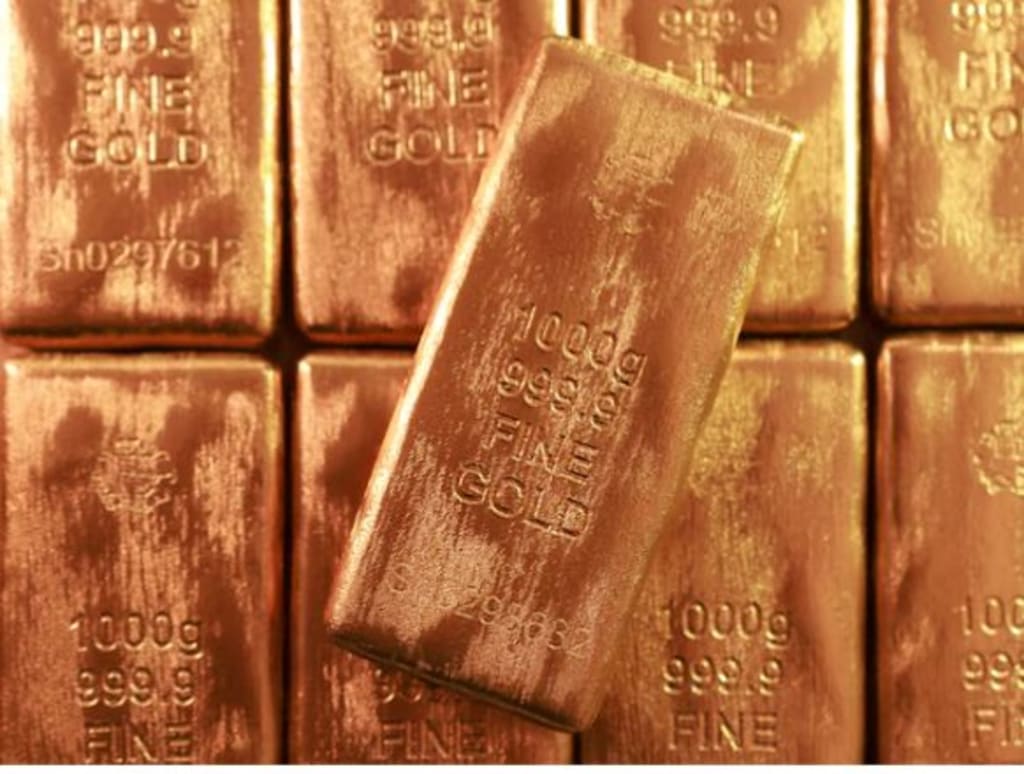
Gold has once again captured global attention after prices climbed to a three-week high, driven largely by uncertainty surrounding tariff proposals linked to former U.S. President Donald Trump. As markets digest the possibility of renewed trade tensions and shifting economic policies, investors are increasingly turning to gold as a safe-haven asset — a familiar pattern during periods of geopolitical and financial instability.
The latest rise in gold prices reflects a mix of cautious optimism and deep-seated anxiety in global markets. With tariff discussions resurfacing and economic indicators offering mixed signals, traders are positioning themselves for potential volatility in currencies, equities, and international trade.
Why Gold Responds to Trade Uncertainty
Gold has long been considered a protective investment when uncertainty clouds the economic outlook. Tariffs, by nature, can disrupt supply chains, alter currency valuations, and slow global growth — all factors that tend to support gold demand.
When investors fear that trade barriers could increase inflation or reduce economic momentum, they often move funds from risk-heavy assets such as stocks into more stable alternatives. Gold benefits directly from this shift because it does not depend on corporate earnings or government fiscal performance.
The renewed focus on tariff policies linked to Trump has revived memories of earlier trade disputes that rattled markets. Those previous tensions triggered similar gold rallies as investors sought stability amid unpredictable policy announcements.
Dollar Movement Adds Fuel to Gold’s Rise
Another key factor behind gold’s three-week high is the behavior of the U.S. dollar. Gold and the dollar typically move in opposite directions. When the dollar weakens, gold becomes cheaper for international buyers, boosting demand.
Recent market reactions to tariff uncertainty have pressured the dollar slightly, creating favorable conditions for gold. Even modest currency shifts can influence bullion prices because gold trades globally in dollars.
In addition, expectations about interest rates also play a role. If tariffs threaten economic growth, central banks may adopt more cautious monetary policies. Lower interest rates reduce the opportunity cost of holding gold, which does not pay interest, making it more attractive to investors.
Investor Psychology and Safe-Haven Demand
Market psychology is a powerful driver of gold prices. The mere possibility of policy changes — even before they are implemented — can spark demand for protective assets.
Uncertainty surrounding tariff plans has increased hedging activity among institutional investors. Hedge funds, asset managers, and retail traders often increase gold exposure during periods when policy direction appears unclear.
This psychological effect can amplify price moves. Gold does not need a confirmed crisis to rise; the anticipation of disruption is often enough.
Recent trading patterns show rising inflows into gold-backed exchange-traded funds and stronger physical demand in some regions. This suggests that investors are preparing for potential volatility rather than reacting to an immediate shock.
Global Trade Concerns Return to the Forefront
Tariffs rarely affect only one country. Instead, they ripple across global trade networks, influencing manufacturing, commodity flows, and corporate earnings.
The prospect of new tariffs has revived concerns about slower global trade growth. Businesses may delay investments, supply chains may shift, and consumer prices could rise — all developments that typically increase demand for defensive assets like gold.
Emerging markets are particularly sensitive to trade tensions because many rely heavily on exports. When trade risks rise, currencies in these economies can weaken, prompting investors to move capital into more stable stores of value.
Gold’s current rally reflects these broader concerns rather than a single policy announcement. Markets are responding to uncertainty itself, not just confirmed decisions.
Central Banks and Long-Term Gold Support
Beyond short-term market reactions, central bank behavior continues to provide structural support for gold. Many countries have been increasing gold reserves as part of diversification strategies away from reliance on major currencies.
Trade tensions reinforce this trend. Governments often view gold as a neutral asset that can help shield reserves from geopolitical risks.
If tariff uncertainty persists, central banks may maintain or even accelerate gold purchases, which could provide a steady floor under prices even if market volatility eases.
This institutional demand adds a longer-term dimension to gold’s rally, suggesting that the current price move may not be purely temporary.
What Analysts Are Watching Next
Market analysts are closely monitoring several indicators that could determine whether gold’s momentum continues:
Policy clarity: Clear statements on tariffs could either calm markets or intensify volatility.
Economic data: Signs of slowing growth would strengthen gold’s appeal.
Interest rate expectations: Any shift toward rate cuts typically supports gold.
Dollar direction: Sustained dollar weakness would likely push gold higher.
Many analysts believe gold could remain supported as long as uncertainty persists, even without dramatic policy changes.
However, a quick resolution of trade concerns could limit further gains, as investors rotate back into riskier assets.
A Familiar Pattern in Modern Markets
The latest move in gold highlights a recurring theme in modern financial markets: policy uncertainty drives defensive investing. Whether the issue involves tariffs, geopolitical tensions, or economic slowdowns, gold often serves as an early indicator of investor caution.
The current rally does not necessarily signal an imminent crisis. Instead, it reflects markets preparing for multiple possible outcomes. Investors are balancing optimism about economic resilience with concern about policy unpredictability.
This balancing act keeps gold relevant in diversified portfolios, especially during transitional periods when the direction of trade and monetary policy remains unclear.
Conclusion
Gold’s climb to a three-week high underscores how sensitive financial markets are to political and economic uncertainty. Discussions around tariff plans associated with Donald Trump have reignited concerns about trade disruptions, prompting investors to seek safety.
While the future path of tariffs remains uncertain, the reaction in gold markets illustrates the metal’s enduring role as a hedge against risk. Currency movements, central bank strategies, and investor psychology are all reinforcing this trend.
Whether gold continues to rise will depend on how quickly markets gain clarity on trade policy. Until then, uncertainty itself may remain the strongest driver — keeping gold firmly in focus as investors navigate an increasingly complex global economic landscape.
About the Creator
~ Fired ~
— Ai Intrusion ~ Are you Next ~ Is Ai Evolution after your job? — Few workplaces haven't been affected. Ai is in supermarkets, at doctors' offices, and even monitoring farms. I just can't think of anything this machine is not getting into, can you? For instance: Education ~ Law and Tech jobs will one day have a major influence or be taken over by these inanimate machines, with accuracy and vigor. From mechanics' diagnoses to a wide variety of everyday jobs, including fast food workers, with this input having the ability to cut their unnecessary work hours. I'm certain all of us have been touched by this with our short stories and colorful headings, have you? Even comments are very questionable 'Non-Robot' insertions.
By Jay Kantor23 days ago in Journal
The $ Billion Nuclear Comeback: Are We Ready?
The Nuclear Power Industry is re-emerging-not loudly, not dramatically-but steadily. Climate deadlines are tightening. Energy security is no longer theoretical. And nations once retreating from nuclear are quietly reconsidering its role in a decarbonized future.
By efingutthomas6 days ago in Journal
Boundless
A geographical map could take you there. To the places I've been, to the sights I've seen, to the landscapes I've climbed. But no compass could point you in the direction of my memories. To the experiences I've lived, to the happiness I've felt, to the wonder I've held so close to my heart.
By Alyssa Mussoa day ago in Writers



Comments
There are no comments for this story
Be the first to respond and start the conversation.