
Gokyo Lake Trek
Gokyo Lake Trek – A Journey to Stunning Glacial Lakes and Everest Views

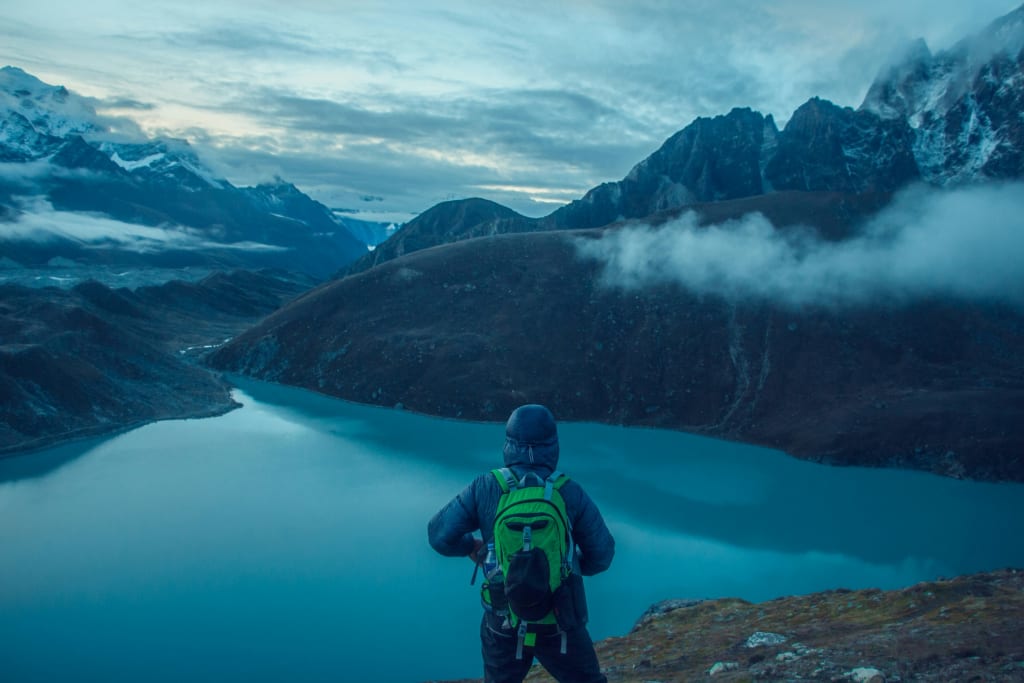
The Gokyo Lake trek is a breathtaking adventure in the Everest region, offering stunning mountain views, beautiful glacial lakes, and less crowded trails. If you love nature, adventure, and peaceful surroundings, this trek is a great choice. Unlike the Everest Base Camp trek, this route takes you to the turquoise Gokyo Lakes and the incredible Gokyo Ri viewpoint, where you can see Mount Everest, Cho Oyu, Lhotse, and Makalu all at once. The combination of high-altitude lakes, massive glaciers, and snow-covered peaks makes this one of Nepal’s most scenic treks.
Starting the Journey – Kathmandu to Lukla
The trek begins with an exciting flight from Kathmandu to Lukla, a small but famous mountain airstrip. The 30-minute flight offers breathtaking aerial views of the Himalayas. Landing in Lukla is an adventure itself, as the runway is short and surrounded by towering hills.
From Lukla, the trail follows the Dudh Koshi River, passing through charming Sherpa villages like Phakding. The sound of the river, prayer wheels spinning, and colorful Buddhist prayer flags make the journey even more special. The first day’s walk is relatively easy, helping trekkers adjust to the altitude before the real climb begins.
Reaching Namche Bazaar – The Heart of the Everest Region
The next part of the journey is a climb to Namche Bazaar, the largest town in the Everest region. This day includes crossing the famous Hillary Suspension Bridge and a steep uphill climb. Namche sits at 3,440 meters and is a lively town with small shops, bakeries, and cafes. It is the perfect place to rest and acclimatize before going higher.
Trekkers usually spend an extra day in Namche to adjust to the altitude. Many take a short hike to Everest View Hotel, which offers the first clear view of Mount Everest. This short hike also helps in acclimatization, reducing the risk of altitude sickness.
Leaving the Everest Base Camp Trail – Trekking to Gokyo
After Namche, the trail splits from the Everest Base Camp route and heads toward Gokyo Valley. This is where the trek becomes quieter, offering peaceful trails with fewer people. The landscape begins to change, with fewer trees and more rocky terrain.
The trek passes through Dole and Machhermo, small mountain villages where trekkers rest for the night. The route offers stunning views of Cho Oyu, the sixth-highest mountain in the world. The air gets thinner as the altitude increases, so walking slowly and staying hydrated is important.
The Beauty of Gokyo Lakes
Finally, after days of trekking, you reach Gokyo Village, located beside the third Gokyo Lake. The moment you see the deep turquoise water of the lake, surrounded by white peaks, you’ll understand why this trek is so special.
Gokyo is home to six glacial lakes, considered the highest freshwater lake system in the world. These lakes are sacred to both Hindus and Buddhists. Many trekkers take time to explore the area, walking around the lakes and enjoying the peaceful surroundings. Another highlight is a visit to Ngozumpa Glacier, the largest glacier in Nepal. Seeing this massive river of ice up close is an unforgettable experience.
Climbing Gokyo Ri – The Best Viewpoint in the Region
One of the best parts of the Gokyo Lake trek is the hike to Gokyo Ri (5,357m). It is a challenging climb, but the view from the top is absolutely worth the effort. From here, you get a panoramic view of four of the world’s highest mountains—Everest, Lhotse, Makalu, and Cho Oyu—along with the massive Ngozumpa Glacier.
Watching the sunrise from Gokyo Ri is a magical experience. As the first light touches the peaks, the mountains glow with golden colors. This is one of the most beautiful sights in the Everest region.
Returning to Lukla
After exploring Gokyo and its surroundings, the trek follows the same route back to Namche Bazaar and then to Lukla. The descent is easier but still requires careful walking on high-altitude trails. Reaching Lukla gives trekkers a sense of accomplishment, knowing they have completed one of Nepal’s most scenic treks.
The journey ends with a flight back to Kathmandu, where trekkers can relax and reflect on their incredible experience.
Why Choose the Gokyo Lake Trek?
Less Crowded Trails – Unlike the Everest Base Camp trek, this route is quieter and more peaceful.
Breathtaking Mountain Views – The view from Gokyo Ri is one of the best in the Himalayas.
Beautiful Glacial Lakes – The turquoise lakes add a magical touch to the trek.
Rich Sherpa Culture – Experience the hospitality and traditions of the Sherpa people.
Challenging Yet Rewarding – A great alternative for those looking for a unique trekking experience.
Best Time for Gokyo Lake Trek
The best seasons for the Gokyo Lake trek are:
Spring (March to May) – The weather is stable, with clear skies and blooming rhododendrons.
Autumn (September to November) – The best time for clear mountain views and pleasant trekking conditions.
Winter trekking is possible but can be extremely cold, while the monsoon season brings rain and less visibility.
Difficulty Level and Preparation
The Gokyo Lake trek is considered moderate to challenging. While it does not require technical climbing, the high altitude and steep climbs make it demanding. Good physical fitness is important. Training with cardio exercises, hiking, and strength workouts before the trek can help.
It is also essential to acclimatize properly to avoid altitude sickness. Drinking plenty of water, walking at a steady pace, and taking rest days help the body adjust to the high altitude.
Final Thoughts
The Gokyo Lake trek is an incredible journey that offers adventure, natural beauty, and cultural experiences. Whether you’re a seasoned trekker or someone looking for a unique Himalayan experience, this trek has something special to offer. The combination of glacial lakes, towering peaks, and peaceful trails makes it one of the most rewarding treks in Nepal.
If you’re looking for an alternative to Everest Base Camp but still want stunning mountain views, the Gokyo Lake trek is the perfect choice. It offers the beauty of the Everest region with fewer crowds, making it an unforgettable adventure!
About the Creator
Keep reading
More stories from Rose Jenkins and writers in Journal and other communities.
Tilicho Lake Trekking
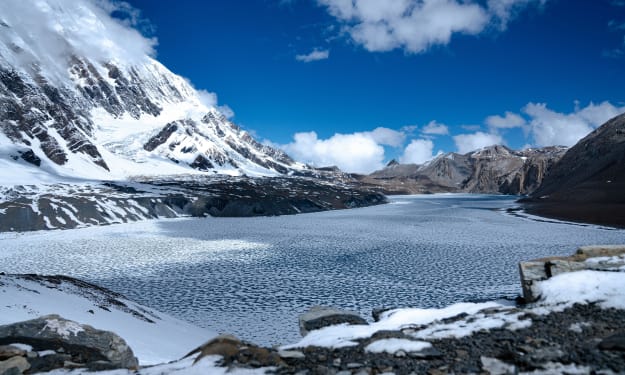
Tilicho Lake Trekking is an incredible adventure that takes you to one of the highest lakes in the world. At an altitude of 4,919 meters, Tilicho Lake is a breathtaking sight surrounded by towering snow-capped peaks. The journey to this hidden gem in the Annapurna region is full of stunning landscapes, exciting trails, and rich cultural experiences. Whether you are an experienced trekker or someone looking for a thrilling challenge, this trek will leave you with unforgettable memories.
By Rose Jenkinsabout a year ago in Journal
Why Accurate Call Monitoring Is the Secret to Happier Customers
An operations manager pulls up the monthly CSAT report and sees a three-point drop, from 87% to 84%, with no obvious cause. Ticket volumes are normal, staffing levels are solid, and the training curriculum hasn't changed. After a week of digging, she finds the culprit: agents on a particular shift had developed an informal habit of skimping on empathy statements during difficult calls. No alert fired. No supervisor caught it. The scorecard hadn't been updated in six months. The gap went unnoticed until customers noticed it first. Meanwhile, customers simply felt unheard and quietly began rating their experiences lower.
By Etech Global Services4 days ago in Journal
Bring some fruit-filled fun to the party with a hilarious and eye-catching banana outfit
Costumes are meant to spark laughter, start conversations, and make events more memorable. Few outfits accomplish that as effortlessly as a bright, oversized banana costume. Its bold yellow colour and playful shape guarantee instant visibility in any crowd. Whether you are heading to a themed party, Halloween event, fun run, or promotional gathering, this fruity ensemble delivers humour and charm in equal measure.
By Costumes in Australia5 days ago in Journal


Comments
There are no comments for this story
Be the first to respond and start the conversation.