
Global Skateboard Market to Hit US$ 4.53 Billion by 2033 Driven by Youth Trends and Technological Innovation
Urbanization, Eco-Friendly Materials, and Extreme Sports Fuel Skateboarding’s Global Growth

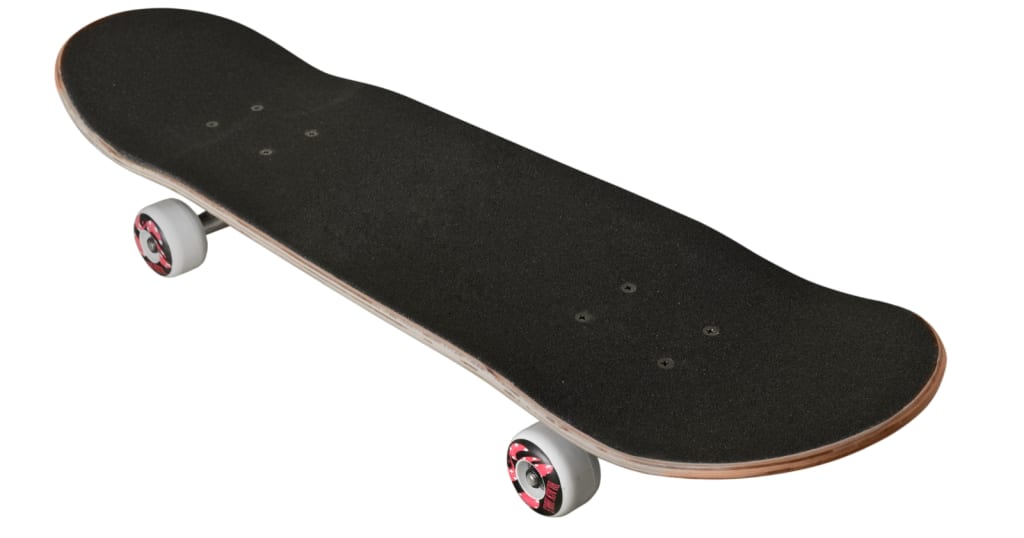
According to Renub Research Latest Report global skateboard market is poised for steady growth, projected to rise from US$ 3.41 billion in 2024 to US$ 4.53 billion by 2033, expanding at a CAGR of 3.20% over the forecast period of 2025–2033. This growth is primarily fueled by rising urbanization, the influence of social media, lifestyle marketing, and youth enthusiasm for extreme sports. Moreover, the adoption of eco-friendly materials, advanced technological innovations, and the expansion of skateparks worldwide further boosts market potential. Increased participation among women, coupled with global events, has also contributed significantly to the rising popularity of skateboarding.
A skateboard is a small, flat board equipped with two axles and four wheels, designed for tricking, riding, and performing stunts. Traditionally crafted from layered maple wood, the skateboard consists of components such as the deck, trucks, wheels, and bearings. Initially emerging in the 1950s as an offshoot of surfing culture on land, skateboarding has evolved into a global sport and lifestyle phenomenon, influencing youth culture, music, fashion, and recreational activities worldwide.
Skateboard Market Overview
Skateboarding encompasses diverse styles such as freestyle, vert, park, and street, serving both recreational and competitive purposes. The sport’s recognition as part of the Olympics has further popularized it, attracting new participants across age groups and genders. The industry has witnessed notable growth due to the combination of youth engagement, urban infrastructure, and cultural integration.
Urbanization has facilitated the creation of skate-friendly public spaces, while social media platforms have amplified the visibility of skateboarding culture, promoting skill-sharing, community engagement, and lifestyle branding. Technological advancements in materials, designs, and production processes have improved skateboard performance and customization, allowing manufacturers to cater to diverse consumer preferences. The trend toward sustainable, eco-friendly products aligns with growing environmental awareness, further encouraging innovation and market expansion.
Rising Popularity of Extreme Sports
One of the key factors driving skateboard market growth is the increased popularity of extreme sports globally. Skateboarding offers high-adrenaline experiences that appeal to youth and thrill-seekers, providing both recreational and competitive opportunities. Exposure through media, films, and social networking platforms has further enhanced the sport’s global visibility, attracting a younger generation seeking dynamic, alternative sporting experiences.
Participation in international competitions alongside other extreme sports has also legitimized skateboarding as a recognized sport, boosting demand for skateboards, accessories, apparel, and infrastructure. With a focus on creativity, individuality, and self-expression, skateboarding provides a unique outlet for youth, directly propelling market expansion.
Youth Lifestyle Trends
Skateboarding is closely intertwined with youth culture, fashion, and self-expression. Young consumers prioritize individuality, autonomy, and alternative leisure activities, making skateboarding an attractive option. The rise of streetwear fashion, music collaborations, and celebrity endorsements has strengthened the cultural relevance of skateboarding, positioning it as both a lifestyle and sporting choice.
Social media platforms, along with the DIY content creation culture, allow skaters to showcase their skills and personal style to a global audience. This exposure encourages higher engagement, participation, and aspiration, sustaining steady market demand and reinforcing skateboarding as a lifestyle trend among younger generations.
Technological Innovations
Technological advancements have significantly improved skateboard durability, performance, and user comfort. Lightweight, strong, and eco-friendly materials such as carbon fiber composites and sustainable woods are increasingly used in production. Advanced manufacturing techniques also allow for greater customization, appealing to a wider consumer base.
The rise of e-skateboards, incorporating sensors, electrical propulsion, and smart technology, has created new market segments. Strategic partnerships have further enhanced product offerings; for instance, Hot Wheels Skate partnered with X Games and Tony Hawk's Vert Alert in June 2023 to launch a specialized skateboard collection. Similarly, Rovio Entertainment collaborated with Capsule Skateboards in September 2022 to introduce an Angry Birds-themed skateboard series. These innovations continue to drive market growth and consumer engagement.
Challenges in the Skateboard Market
Seasonal Demand
Skateboarding, primarily an outdoor activity, faces seasonal fluctuations due to weather conditions. Participation often declines in colder months or during heavy rainfall, resulting in reduced sales and inventory turnover. Seasonal variation poses challenges for marketing, brand engagement, and revenue consistency. Companies are mitigating this by expanding into indoor skateparks, apparel, and related products, yet maintaining steady demand remains an ongoing challenge.
Environmental Concerns
Sustainability is becoming a pressing concern for the skateboard industry. Traditional manufacturing involves maple wood, plastics, and adhesives, which contribute to deforestation, pollution, and non-biodegradable waste. Brands face increasing pressure to adopt eco-friendly production practices. Sourcing sustainable materials and implementing green manufacturing processes can be costly, especially for smaller companies. Additionally, disposal and recycling of old skateboards pose environmental challenges. Long-term competitiveness now depends on eco-conscious strategies, as environmentally aware consumers may avoid brands that neglect sustainability.
Regional Skateboard Markets
United States
The U.S. skateboard market is experiencing consistent growth due to urban mobility trends and recreational interest. Cities like Los Angeles, New York, and San Francisco have a high concentration of skateparks and dedicated lanes, attracting young enthusiasts. Retailers including Zumiez, CCS, and Tactics, as well as online platforms like Amazon and eBay, provide wide accessibility. Increasing participation in tournaments and events further boosts the market, although skateboarding remains a niche sport with a strong community culture.
Germany
In Germany, urbanization and growing leisure activity interest are expanding the skateboard market. Cities like Berlin, Munich, and Hamburg host several skateparks and skate-friendly zones. Retailers like Titus, Blue Tomato, and Decathlon, along with online marketplaces, enhance accessibility. Participation in competitions and community events helps maintain steady growth, though skateboarding remains a subcultural niche with strong local engagement.
India
India’s skateboard market is emerging rapidly due to urbanization, a growing youth population, and exposure to international sports culture. Social media influencers, YouTube stars, and community skateparks are increasing awareness in cities such as Bengaluru, Delhi, and Mumbai. Public and private initiatives are gradually improving sports infrastructure, supporting market expansion. Both local and international brands are offering affordable skateboards, contributing to steady growth over the next decade.
Saudi Arabia
Saudi Arabia's skateboard market is in its early stages but shows promising growth due to cultural shifts, youth engagement, and initiatives under Vision 2030 supporting leisure and sports. Urban development projects like NEOM and Qiddiya incorporate skateparks, and social media exposure is increasing awareness and acceptance. Although niche, the market is attracting global brands and grassroots participation, indicating future growth potential.
👉 For deeper analysis, detailed segment data, and company insights: 🔗 Request Customization Report
Product Type: Board, Cruiser Board, Long Board, Park Board, Hybrid Board, Others
End Users: Kids (0-9), Teenagers (12-17), Adults (18 & Above)
Region: North America, Europe, Asia-Pacific, Latin America, Middle East & Africa
Countries Covered: United States, Canada, France, Germany, Italy, Spain, United Kingdom, China, Japan, India, Australia, South Korea, Thailand, Malaysia, Indonesia, New Zealand, Brazil, Mexico, Argentina, South Africa, UAE, Saudi Arabia
Competitive Landscape
Leading players in the global skateboard market focus on innovation, brand collaborations, and expanding distribution:
Boardriders
Krown Skateboards
Sk8factory
Skate One
Absolute Board Co.
Alien Workshop
Zero Skateboards
CONTROL SKATEBOARDS INC.
Razor USA LLC
Almost Skateboards
Companies are leveraging R&D, strategic partnerships, and technological innovations to enhance skateboard performance, safety, and eco-friendliness, while capturing the growing youth market worldwide.
Conclusion
The global skateboard market, projected to reach US$ 4.53 billion by 2033, benefits from the intersection of urbanization, youth lifestyle trends, extreme sports popularity, and technological innovation. Challenges such as seasonal demand and sustainability concerns persist, but the market continues to thrive due to increased accessibility, the rise of eco-friendly materials, and expanding infrastructure like skateparks.
Skateboarding has evolved from a niche pastime into a global sport and cultural movement, blending recreation, self-expression, and competition. As adoption grows across emerging markets and urban centers, coupled with technological advancements and eco-conscious innovations, the skateboard industry is set to maintain steady growth and cultural relevance over the next decade.
Note: If you need details, data, or insights not covered in this report, we are glad to assist. Through our customization service, we will collect and deliver the information you require, tailored to your specific needs. Share your requirements with us, and we will update the report to align with your expectations.
About the Creator
Diya Dey
Market Analyst
The goals I did not achieve
Every writing goal I made for the year is a wash. It has been this way for a while, but I think it's important to be open about my failures and the reality of how life can get in the way. This is especially true considering the several times I have posted on Vocal about my writing goals, how I was changing my approach, and where I was hoping to be for the upcoming year. I will probably do that again in a couple months, but for now, it is time to acknowledge where I am today.
By Kay Husnick16 days ago in Journal
How to Choose the Right Financial Advisor: A Clear Guide
Choosing the right financial advisor is an important decision that can influence your financial stability, investment outcomes, and long-term goals. Financial advisors provide guidance on budgeting, investing, retirement planning, tax strategies, and wealth management. Because financial advice often affects major life decisions, it is essential to understand how to evaluate advisors objectively and select one who aligns with your needs.
By Keith D'Agostino7 days ago in Journal


Comments
There are no comments for this story
Be the first to respond and start the conversation.