
Global Sea Freight Forwarding Market 2025–2033: Navigating Growth in International Trade and Logistics
Expected to reach USD 123.60 billion by 2033, sea freight forwarding is crucial for global trade, offering cost-effective, sustainable, and scalable logistics solutions across industries.

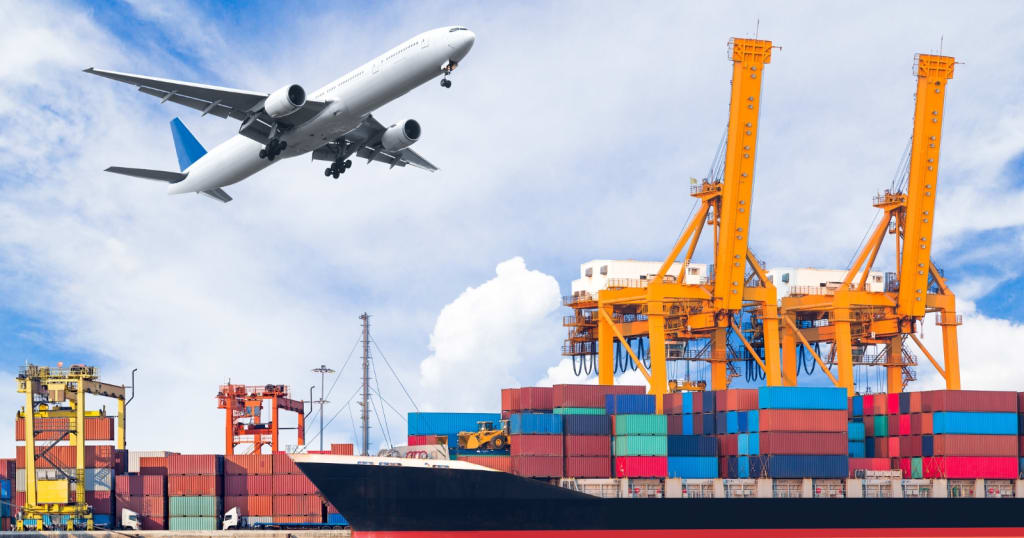
Global Sea Freight Forwarding Market Overview
According to Renub Research Latest Report Sea Freight Forwarding Market is projected to grow from USD 75.56 billion in 2024 to USD 123.60 billion by 2033, registering a CAGR of 5.62% during 2025–2033. As an indispensable component of international trade, sea freight forwarding facilitates the movement of goods across continents, ensuring timely delivery while optimizing costs for businesses.
Freight forwarders act as intermediaries, handling documentation, customs clearance, cargo insurance, and logistics planning. This service is particularly beneficial for large-volume and heavy shipments, providing a more economical alternative to air freight. With global trade volumes expanding, sea freight forwarding remains vital in linking markets, supporting supply chains, and promoting sustainable logistics.
Sea Freight Forwarding: Global Outlook
Sea freight forwarding is pivotal to sectors such as manufacturing, agriculture, retail, and healthcare, enabling the bulk movement of raw materials and finished goods. By leveraging containerization and modern logistics practices, forwarders ensure operational efficiency and compliance with international regulations.
Beyond cost-effectiveness, sea freight is considered more environmentally friendly than air transport, supporting sustainability initiatives in global supply chains. As e-commerce and international trade continue to rise, sea freight forwarding serves as a backbone for worldwide commerce, connecting businesses with global markets reliably and efficiently.
1. Expansion of Global Trade and Cross-Border E-commerce
The rapid growth of global trade and e-commerce has significantly fueled demand for sea freight forwarding. Online consumers increasingly purchase goods from abroad, driving manufacturers and retailers to rely on high-volume, cost-effective shipping solutions.
Sea freight accounts for over 80% of global trade tonnage, underscoring its dominance in international logistics. Forwarders are increasingly investing in technology-enabled solutions such as real-time tracking, predictive analytics, and integrated supply chain management systems, enabling enhanced visibility, efficiency, and punctual delivery.
2. Demand for Cost-Efficient Logistics Solutions
Companies constantly seek ways to optimize supply chain costs, and sea freight provides scalable, reliable solutions. Containerization allows standardized, high-volume transport, complemented by value-added services like customs clearance, warehousing, and packaging.
For instance, in May 2025, NX Group introduced “NX Lead Logistics Solutions”, offering end-to-end optimization by centralizing supply chain data and streamlining order management. This service exemplifies how forwarders are enhancing efficiency while lowering operational costs, catering to the increasing demand for cost-effective logistics.
3. Infrastructure Development and Port Modernization
Investment in ports and shipping infrastructure globally is expanding the capacity of sea freight forwarding. Governments and private operators are upgrading container terminals, implementing automation, and modernizing logistics corridors to minimize bottlenecks.
Digital monitoring systems and smart port initiatives offer real-time shipment tracking, boosting efficiency and customer satisfaction. For example, in September 2025, India’s Ministry of Shipping launched a trillion-dollar blue economy maritime roadmap to attract foreign investment in strategic port infrastructure, enhancing sea freight capabilities and competitiveness.
Challenges in the Sea Freight Forwarding Market
1. Port Congestion and Supply Chain Disruptions
Port congestion remains a major challenge, causing delays, increased costs, and inventory management difficulties. Events such as the COVID-19 pandemic and geopolitical tensions highlighted the vulnerability of maritime logistics.
Forwarders are investing in digital tools, predictive analytics, and strategic partnerships to mitigate these disruptions. However, congestion, container shortages, and scheduling uncertainties continue to pose persistent challenges for the industry.
2. Environmental Regulations and Sustainability Pressures
The industry faces mounting pressure to reduce its environmental impact. Regulations like IMO 2020, limiting sulfur emissions, require investment in clean fuels, energy-efficient vessels, and carbon reporting systems.
Although necessary for sustainability, compliance increases operational costs. Additionally, shippers are demanding eco-friendly solutions, compelling forwarders to balance cost-efficiency with green logistics—a critical challenge for the future.
👉 For deeper analysis, detailed segment data, and company insights: 🔗 Request Customization Report
By Type
Full Container Load (FCL): Dominates sea freight forwarding, ideal for large-volume shipments, offering dedicated containers for single clients, minimizing handling risks, and allowing flexible schedules. Rising e-commerce and manufacturing exports drive demand for FCL services, enhanced by technology-driven tracking and documentation.
Less-than Container Load (LCL): Suitable for smaller shipments, allowing multiple consignments to share container space. Cost-effective for SMEs and businesses with lower shipment volumes.
Others
By Services
Packaging and Labelling: Ensures goods are transported safely and comply with regulations. Essential for temperature-sensitive or fragile products in FMCG and healthcare sectors.
Documentation and Purchase Order Management: Facilitates seamless customs clearance and inventory management.
Charter Services: Tailored solutions for specialized cargo, including heavy machinery, energy equipment, and project shipments.
Transportation and Warehousing: Comprehensive logistics support, including storage, consolidation, and delivery.
Others
By Vertical
Retail and FMCG: Sea freight enables global retailers to maintain inventory control, meet customer demands, and optimize supply chains.
Healthcare: Specialized shipping for pharmaceuticals, vaccines, and medical devices with temperature-controlled containers and tamper-proof packaging.
Manufacturing: Cost-effective transport of raw materials and finished goods for automotive, electronics, and machinery sectors.
Consumer Appliances, Textile, Others
Regional Market Insights
United States
As a global trade hub, the U.S. relies heavily on sea freight forwarding, with ports like Los Angeles, Long Beach, and New York handling immense cargo volumes. Forwarders invest in digital tracking and eco-friendly logistics, ensuring efficiency across retail, healthcare, and industrial supply chains. In October 2024, DP World expanded its Americas freight forwarding operations, reflecting confidence in market growth.
Germany
Germany serves as Europe’s logistics hub, with Hamburg and Bremerhaven ports facilitating machinery, automobile, and chemical exports. Investments in green shipping and modern infrastructure support sustainable logistics. June 2023, Scan Global Logistics acquired ETS Transport & Logistics GmbH, expanding its presence and capabilities in German sea freight forwarding.
India
India’s sea freight forwarding industry is growing with exports of textiles, pharmaceuticals, and consumer goods. Government programs like Sagarmala modernize ports, reduce bottlenecks, and enhance efficiency. December 2024, Amazon launched Amazon Freight and Amazon Shipping, offering full truckload and last-mile delivery services nationwide, boosting the logistics ecosystem.
UAE
The UAE, particularly Dubai’s Jebel Ali Port, is a key Middle East hub. Strategic location between Asia, Europe, and Africa facilitates trade. Investments in smart ports and green shipping technologies reinforce UAE’s logistics prominence. In April 2025, Reliance Freight Systems went live on Dubai Customs’ E-Commerce Blockchain Platform, enhancing supply chain transparency and digitalization.
Key Players in the Sea Freight Forwarding Market
Agility Logistics
Bolloré Logistics
C.H. Robinson Worldwide Inc.
CEVA Logistics
Deutsche Bahn AG
Deutsche Post AG
Expeditors International
Geodis
Hellmann Worldwide Logistics SE & Co. KG
Kerry Logistics Network Limited
These companies leverage global networks, technology-enabled solutions, and strategic partnerships to maintain competitiveness, expand service offerings, and deliver value-added services to clients worldwide.
Future Outlook
The Global Sea Freight Forwarding Market is poised for robust growth through 2033, driven by:
Increasing global trade and e-commerce volumes
Rising demand for cost-efficient, scalable, and sustainable logistics solutions
Continuous infrastructure investments and port modernization
Adoption of digital tools, automation, and blockchain-enabled transparency
Growth in FCL, charter, and value-added services
Sea freight forwarding is evolving beyond traditional shipping. It is now an integrated solution supporting supply chain efficiency, sustainability, and global trade resilience. With advancements in technology and infrastructure, sea freight will continue to be a key driver of international commerce and logistics innovation.
Note: If you need details, data, or insights not covered in this report, we are glad to assist. Through our customization service, we will collect and deliver the information you require, tailored to your specific needs. Share your requirements with us, and we will update the report to align with your expectations.
About the Creator
Renub Research
Renub Research is a Market Research and Consulting Company. We have more than 15 years of experience especially in international Business-to-Business Researches, Surveys and Consulting. Call Us : +1-478-202-3244
Keep reading
More stories from Renub Research and writers in Journal and other communities.
Global Robotic Vacuum Cleaner Market Set to Reach $16.16 Billion by 2033
According to Renub Research Latest Report robotic vacuum cleaner market stood at USD 5.43 billion in 2024 and is expected to grow to USD 16.16 billion by 2033, achieving a CAGR of 12.88% over the forecast period. Increasing adoption of smart home devices, urbanization, growth of dual-income households, and advancements in AI, automation, and voice-assistant technology are key drivers of this growth. As prices become more accessible and features more sophisticated, robotic vacuum cleaners are rapidly transitioning from luxury gadgets to essential home appliances, shaping the future of household automation.
By Renub Research4 months ago in Journal



Comments
There are no comments for this story
Be the first to respond and start the conversation.