
Global Anti-Snoring Devices Market to Reach USD 3.36 Billion by 2033, Growing at a CAGR of 8.04%
Rising obesity, non-invasive treatment preference, and technological innovations drive the growth of the anti-snoring devices market worldwide.

Introduction
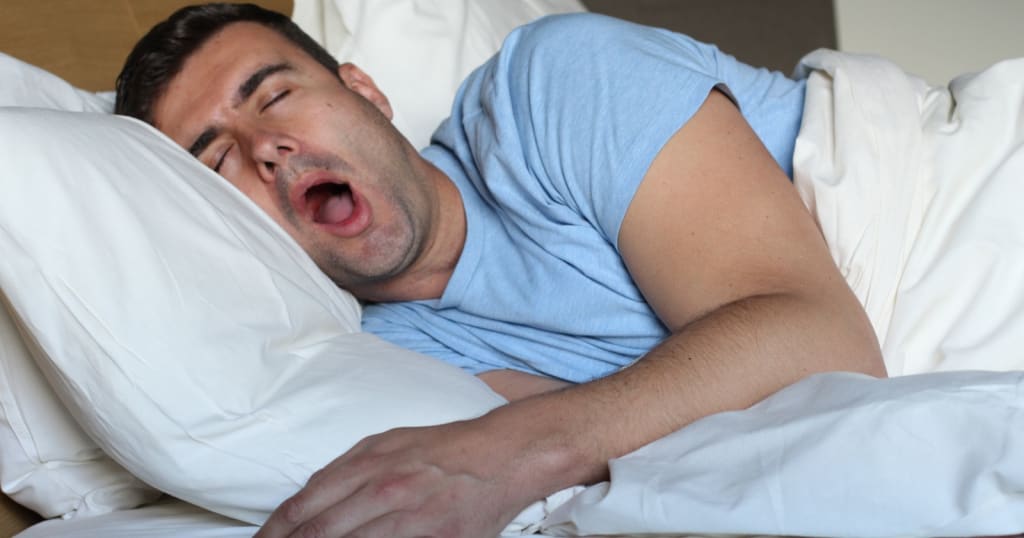
According to Renub Research Recent Report Anti-Snoring Devices Market is projected to grow from USD 1.68 billion in 2024 to USD 3.36 billion by 2033, registering a CAGR of 8.04% between 2025 and 2033. Snoring, caused by the vibration of the respiratory tract due to airway obstruction, affects millions globally and is linked to sleep apnea, cardiovascular problems, and daytime fatigue.
Technological innovations, increased health awareness, and preference for non-invasive treatments are fueling the market. Anti-snoring devices, including oral appliances, nasal devices, tongue-stabilizing devices, chin straps, position control devices, and EPAP therapy devices, are widely used to improve sleep quality and mitigate associated health risks.
Snoring is influenced by factors like airway blockage, obesity, mouth breathing, and sleep deprivation. The prevalence of obesity and sedentary lifestyles has increased, contributing to higher rates of snoring and sleep-related disorders. According to Oxford University, over 30% of adults suffered from insomnia in 2019, and many remain undiagnosed for conditions like obstructive sleep apnea (OSA).
Orthopedic pillows, oral appliances, nasal devices, and advanced smart anti-snoring solutions are increasingly adopted as the global population seeks convenient and effective treatments.
Growth Drivers
1. Rising Awareness of Health Risks
The market is largely driven by growing awareness that snoring is not just a nuisance but a potential indicator of severe health conditions. Sleep apnea, in particular, is linked to heart disease, stroke, and hypertension. Increasing public knowledge via medical campaigns, healthcare professionals, and online resources is encouraging the adoption of anti-snoring devices as a preventive and therapeutic measure.
2. Preference for Non-Invasive Treatments
Consumers increasingly prefer non-invasive devices over surgical alternatives due to lower risks, cost-effectiveness, and convenience. Devices such as nasal strips and mandibular advancement devices (MADs) are gaining traction, offering effective solutions without the need for surgery or long recovery times.
3. Improved Access to Healthcare
The growth of healthcare infrastructure, online stores, and retail pharmacies has expanded access to anti-snoring devices. Telemedicine and digital consultations allow patients to explore solutions conveniently, further boosting market penetration and consumer adoption.
Market Challenges
1. Comfort and Compliance
Device comfort remains a major hurdle. CPAP machines and MADs can be uncomfortable, causing jaw pain, excessive salivation, or disturbed sleep. Low compliance reduces efficacy and slows market adoption. Manufacturers are investing in ergonomic and technology-driven improvements to enhance user experience.
2. Lack of Awareness
In developing countries such as India and Brazil, limited understanding of snoring’s health impacts restricts market growth. Many people do not recognize the importance of early diagnosis and treatment of conditions like OSA, delaying intervention and adoption of effective devices.
Product Analysis
Oral Appliances
Oral appliances, particularly MADs and MRDs, are widely recognized for their effectiveness. They reposition the jaw to prevent airway collapse, reducing snoring and improving sleep quality. Convenience and non-invasiveness make them the most preferred solution globally.
Nasal Devices
Nasal dilators and strips open nasal passages, improving airflow and reducing snoring frequency.
Tongue-Stabilizing Devices & Chin Straps
These devices reposition the tongue or jaw to maintain airway patency during sleep, providing alternative non-invasive treatment options.
EPAP Therapy Devices
Expiratory Positive Airway Pressure devices help keep airways open using micro-valve technology, offering an alternative to conventional CPAP machines.
Distribution Channel Analysis
Retail Pharmacies
Retail pharmacies dominate the market due to accessibility, personalized guidance, and widespread availability of over-the-counter solutions.
Online Stores
Online marketplaces provide convenience, especially in urban areas, increasing adoption among tech-savvy consumers and enabling easy comparison of devices.
End-User Insights
Homecare Solutions
Homecare remains the leading segment as more individuals seek convenient, non-invasive treatments in the comfort of their homes. Technological advancements have made home-use devices affordable and user-friendly, driving adoption globally.
Other End-Users
Some devices are used in clinical or hospital settings for severe sleep apnea cases, though the homecare segment remains dominant.
👉 For deeper analysis, detailed segment data, and company insights: 🔗 Request Customization Report
United States
The U.S. market is growing rapidly due to awareness of sleep disorders and the availability of innovative devices. An estimated 45% of adults snore occasionally, with 25% snoring routinely. CPAP machines, MADs, nasal devices, and chin straps are widely adopted. Technological enhancements, such as smart devices and smartphone-controlled solutions, further fuel growth.
Germany
Germany benefits from a strong healthcare system and high health awareness among middle-aged and elderly populations. Smart anti-snoring devices that monitor sleep patterns are gaining popularity.
China
China’s market growth is driven by increasing urbanization, disposable income, and rising health consciousness. Popular products include MADs, nasal devices, CPAP machines, and tech-driven smart devices. Snorles GenioFlex, launched in July 2024, exemplifies innovation, allowing daytime management of snoring without interfering with sleep.
Saudi Arabia
The Saudi market is expanding due to rising awareness of sleep disorders and wellness trends. Non-invasive solutions, including nasal devices, MADs, and CPAP machines, are increasingly adopted. Technological innovations and rising middle-class income support market growth.
Competitive Landscape
Key players shaping the market include:
Koninklijke Philips N.V.
ResMed, Inc.
SomnoMed Limited
GSK Plc
Apnea Sciences Corporation
ZQuiet (Sleeping Well, LLC)
Airway Management, Inc.
Fisher & Paykel Healthcare Limited
Tomed GmbH
These companies focus on R&D, technological innovation, product launches, and expanding global reach to capture market share.
Future Outlook
The Anti-Snoring Devices Market is poised for steady growth due to:
Rising global obesity and sleep disorder prevalence
Growing awareness of health risks associated with snoring
Preference for non-invasive, convenient homecare solutions
Technological innovations, including smart and app-controlled devices
Expanding retail and online distribution networks
The market is expected to continue evolving as more consumers adopt devices for better sleep quality, while manufacturers enhance comfort, functionality, and accessibility.
Conclusion
The Global Anti-Snoring Devices Market is projected to reach USD 3.36 billion by 2033, growing at a CAGR of 8.04%. Drivers such as rising obesity, increased health awareness, preference for non-invasive treatments, and technological innovations are propelling the market forward. With strong adoption in key regions like the U.S., Germany, China, and Saudi Arabia, and ongoing innovation by leading players, the anti-snoring devices market remains a critical segment of sleep and respiratory care, improving the quality of life for millions worldwide.
Note: If you need details, data, or insights not covered in this report, we are glad to assist. Through our customization service, we will collect and deliver the information you require, tailored to your specific needs. Share your requirements with us, and we will update the report to align with your expectations.
About the Creator
Diya Dey
Market Analyst
The goals I did not achieve
Every writing goal I made for the year is a wash. It has been this way for a while, but I think it's important to be open about my failures and the reality of how life can get in the way. This is especially true considering the several times I have posted on Vocal about my writing goals, how I was changing my approach, and where I was hoping to be for the upcoming year. I will probably do that again in a couple months, but for now, it is time to acknowledge where I am today.
By Kay Husnick17 days ago in Journal
The steps to losing a child
Step One: Lose a child. Not what anyone wants to happen and nothing you can do to change it, but you can go through steps to becoming happy again. You can go through steps to loving again. You can go through steps to become a new you because after losing a child you will never be the same person you once were.
By Tabitha Hinkley3 days ago in Fiction


Comments
There are no comments for this story
Be the first to respond and start the conversation.