
Giant wind turbines
Why Wind Turbine Technicians EARN So MUCH MONEY to Keep Massive Blades Spinning
Imagine yourself equipped with nothing more than a harness and a length of rope as a specialist in your field. These tools are your primary means of ensuring your safety while working at considerable heights above the ground.
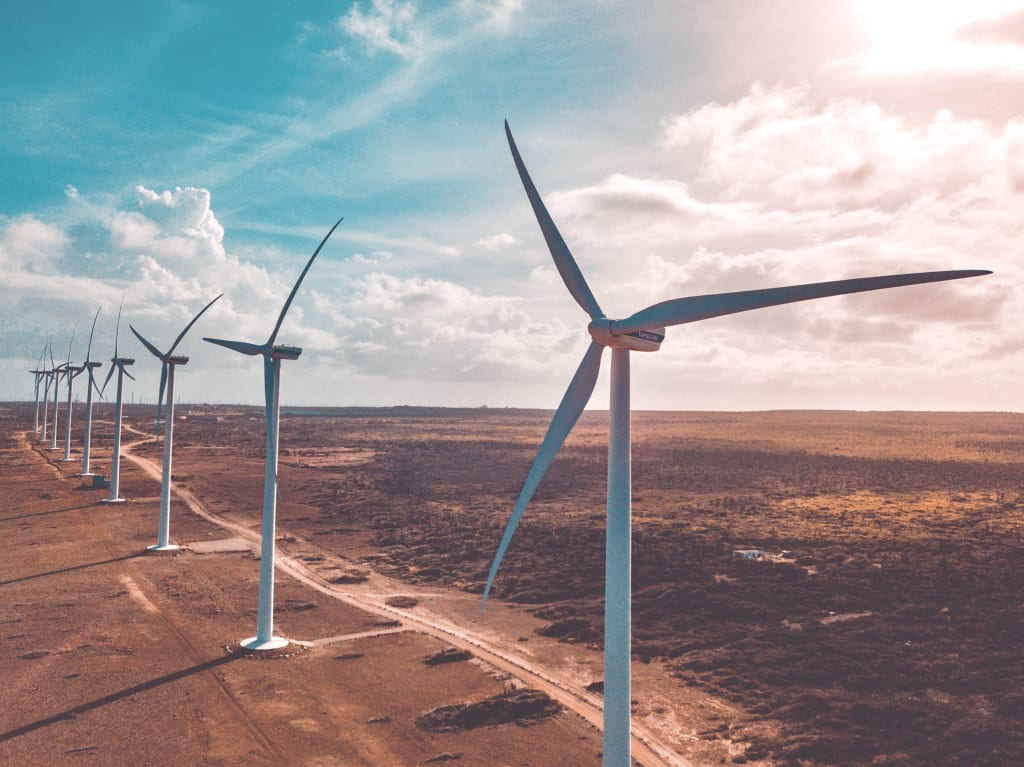
Consider, for instance, the formidable wind turbines. These colossal structures typically stand at an average height of around 80 meters. Among these, one of the tallest giants is the Haliad X wind turbine, boasting an astounding pinnacle height of 260 meters, a rotor length of 220 meters, and individual blades extending an impressive 107 meters each. To put this in perspective, the Haliad X stands nearly as tall as the Eiffel Tower in Paris, France, and surpasses the London Eye in width.
Now, visualize the task of ascending one of these turbines to perform maintenance, armed only with your trusty harness and rope. It is undoubtedly a daunting endeavor. But why are wind turbines of such critical importance?
Wind turbines are among the most prominent sources of renewable energy globally. By harnessing the power of the wind to drive electrical generators, they generate electricity without emitting greenhouse gases. For instance, a single Haliad X unit can produce a staggering 12 megawatts of electricity, enough to power approximately 16,000 homes in Europe.
Despite being equipped with lightning protection systems, wind turbines, often located in remote areas and towering hundreds of meters high, are susceptible to lightning strikes that can damage their exteriors, particularly the fiberglass blades. Furthermore, these structures are vulnerable to harsh weather conditions and exposure to seawater.
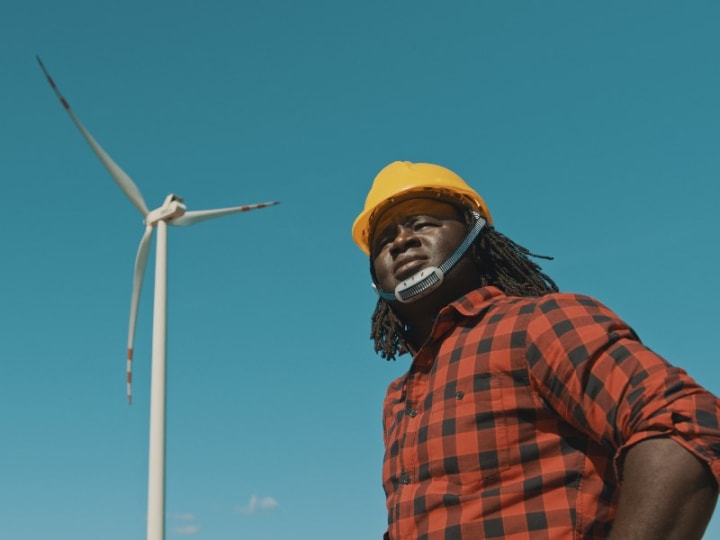
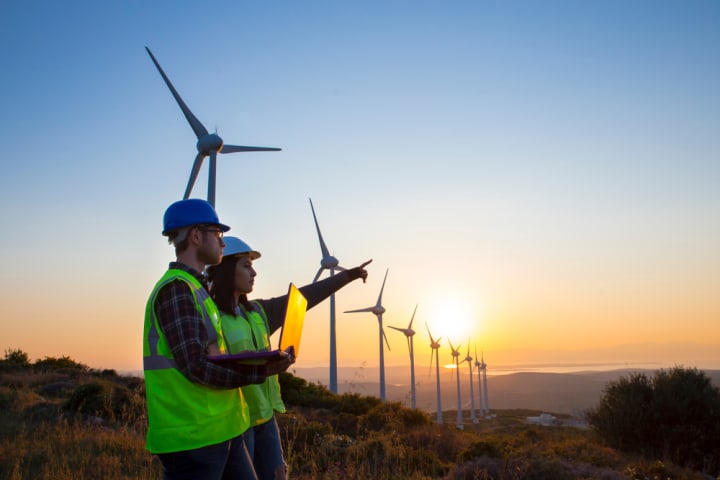
To ensure the continuous and efficient operation of these power-generating titans throughout their lifecycle, regular maintenance is essential. However, this task is far from easy and demands the expertise of skilled and experienced technicians, often referred to as wind turbine technicians or "wind techs." It is considered one of the most perilous professions due to its high-risk nature.
The number of accidents in the wind turbine industry has increased in tandem with the growing number of turbines being erected. This is primarily because technicians must conduct repairs and maintenance at very high altitudes, especially on the blades and nose situated on the turbine's pinnacle.
In addition to repairs, wind turbine technicians are responsible for gathering and documenting data from the turbines, maintaining spare turbine parts, and, in some cases, participating in the construction of turbines. Their daily tasks can vary depending on their employer, but here are some of their common responsibilities:
Turbine Installation: Wind techs study installation sites, clear the area, dig foundations, and erect turbine towers. After installation, they commission the turbines to supply power to the grid.
Routine Inspections: Wind techs monitor turbines electronically from a control center, identifying early signs of damage. They also conduct physical inspections of the turbines' internal and external components and report their findings.
Maintenance and Repairs: They repair damaged turbine parts and mechanical components, as well as the infrastructure of wind farms, such as substations and transmission systems.
Data Collection: Wind techs gather data for analysis and research purposes. For instance, wind speed data collected through anemometers helps determine turbine power output.
Technical Knowledge: They possess extensive knowledge of mechanical, electrical, hydraulic, and computer systems present in wind turbines. They must also work under pressure and in varying and often extreme weather conditions.
One of the most challenging aspects of their job is accessing and repairing the turbine blades. Technicians use rope access methods, utilizing safety ropes to reach difficult-to-access areas. They also employ mobile generators to install safety ropes on wind turbine structures. Additionally, inspection platforms, such as those developed by the Clean Wind organization, are used to collect data on blade conditions and damage.
Furthermore, aerial platform trucks equipped with hydraulic booms and baskets that can move vertically or horizontally are employed. These vehicles come with safety features like safety ropes and braking systems to ensure workers' safety at heights.
Despite regular maintenance, there is no absolute guarantee that wind turbines will never fail. In cases of severe damage, replacing a turbine with a new one is often more efficient than attempting repairs. A notable example of this is the wind turbine fire in Germany in 2014, where the fire occurred 100 meters above the ground, making it impossible for firefighters to reach. Ultimately, the turbine had to be carefully demolished.
To minimize such catastrophic failures, it is crucial to ensure that all wind turbine components function correctly and meet quality and safety standards. When a turbine experiences a breakdown, technicians must swiftly diagnose the issue, make necessary repairs, and report any incidents to their supervisor or manager.
Being a wind turbine technician is a hazardous occupation. Technicians must ascend tall ladders, operate chain hoists often bearing heavy loads on towering masts with electrical currents ranging from 600 to 35,000 volts. The risks they face include falls, electrocution, exposure to high voltage, mist, and hydraulic fluid leaks. Strict occupational safety and health standards must be followed, and adequate safety equipment is crucial.
Furthermore, the job of a wind turbine technician is greatly influenced by ever-changing weather conditions. They must work in scorching heat during the summer or freezing cold in winter. In these conditions, they are prone to dehydration or hypothermia. They must also be prepared to work in strong winds, rain, snow, or storms.
Therefore, being a wind turbine technician demands courage, physical agility, and advanced technical skills. Despite the inherent risks, the demand for jobs in this field continues to grow each year, driven not only by the increasing number of wind turbines but also by the rigorous checks required in general. In the United States, wind turbine technicians earn an average annual salary of around $66,933. The most lucrative city for wind turbine technicians is San Francisco, where they earn approximately $99,763 annually, with a total average compensation that is 49% higher than the U.S. average.
That concludes today's presentation. Please don't forget to like, share, and subscribe for more. See you in the next one!
About the Creator
Keep reading
More stories from Majid khan and writers in Journal and other communities.
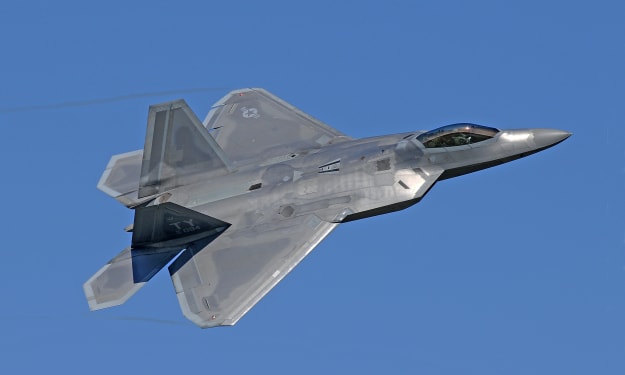
Advanced Fighter Jets
Fighter aircraft represent the pinnacle of airborne combat capability, undergoing continual evolution to remain at the forefront of technological advancements. In the following discussion, we delve into the most formidable fighter jets currently in operation, exploring their unique attributes and the potential of future aviation technologies.
By Majid khan3 years ago in Journal
How to Map Cambodia’s Culinary Regions Through Taste
Cambodia is a kingdom where geography dictates the menu. From the prehistoric waters of the Tonle Sap to the mist-covered Cardamom Mountains, the landscape serves as a pantry. To map Cambodia’s culinary regions is to understand a history of survival, royalty, and trade. Each province offers a distinct profile that transforms simple ingredients into a complex sensory experience. Let’s dive into the six regions that define the soul of Khmer taste.
By Jeewanthi Armstrong4 days ago in Journal


Comments
There are no comments for this story
Be the first to respond and start the conversation.