
Gaza Ceasefire: A Moment of Pause—or a Turning Point?
--- 1. Introduction: Hope in the Midst of Conflict The Gaza ceasefire has sparked global attention and cautious optimism for peace in a region long torn by violence. 2. The First Phase of the Ceasefire Agreement An overview of the latest deal between Israel and Hamas — what’s included and why it matters. 3. A Fragile Hope for Civilians How the ceasefire offers temporary relief to those who have endured years of bombardment and displacement. 4. Humanitarian Aid and Global Response The role of international partners and the urgent push for unrestricted humanitarian access. 5. The United Kingdom’s Reaction How UK leaders, aid organizations, and the public have responded to the truce and what it means for diplomacy. 6. Challenges to Lasting Peace Examining the risks, political divisions, and complex realities that could threaten the ceasefire’s success. 7. Conclusion: A Step Toward Healing A reflection on why this ceasefire represents more than just a pause — it’s a test of humanity and global resolve.

Introduction
The term “Gaza ceasefire” has surged in searches across the United Kingdom, as renewed hope arises that a long conflict might finally pause, offering relief to civilians caught in the crossfire. But ceasefires are fragile. They can bring temporary respite or become the stepping stone to lasting peace. In Gaza’s case, this moment could mark either a fragile truce or a real turning point in a tragic and protracted conflict.
What’s in the “First Phase” Agreement
In October 2025, Israel and Hamas agreed to the first phase of a ceasefire deal, brokered with aid from the United States, Egypt, Qatar, and Turkey.
Key elements include:
An immediate halt to hostilities and withdrawal of Israeli troops to predefined lines.
A prisoner and hostage swap: around 20 Israeli hostages in exchange for Palestinian detainees.
Increased humanitarian aid to Gaza to address the severe needs of its population.
This deal marks the strongest ceasefire efforts in the past two years of conflict between Israel and Hamas.
Why So Much Hope—and So Much Caution
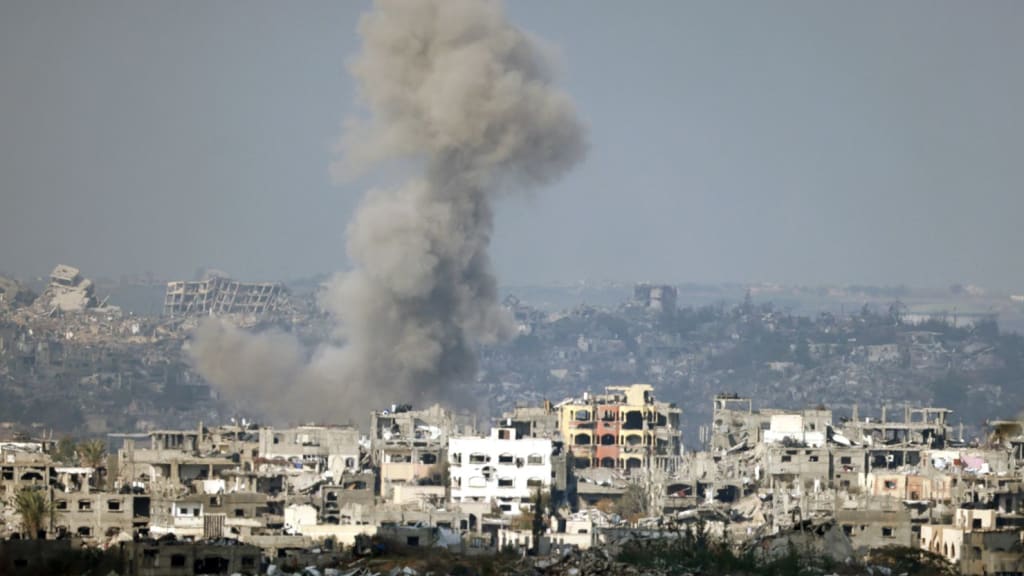
Many are hopeful because civilians in Gaza have borne the worst of the violence: homes destroyed, basic services cut, and mass casualties.
Yet experts warn against overconfidence. Previous truces have collapsed. The underlying political divisions remain unresolved, and key issues—like disarmament, governance of Gaza, and border control—are still contentious.
Moreover, delivering aid in active conflict zones is dangerous and often blocked or delayed. Ceasefires must be respected not only in letter but in practice.
Humanitarian Relief and Children’s Lives
For the most vulnerable—children—the ceasefire provides a critical pause. According to health and aid groups, many children in Gaza have missed vaccinations and are facing malnutrition, disease, and psychological trauma.
A pause in fighting allows medical teams safer access, the movement of relief convoys, and potential reunions of families separated by conflict.
In the UK and abroad, humanitarian agencies argue that this ceasefire must not be just another “false dawn.” It has to lead to sustained access, rebuilding, and protections for civilians.
Global and UK Reactions
World leaders quickly voiced support. UK Prime Minister Keir Starmer welcomed the ceasefire deal and emphasized the need for full implementation and humanitarian relief.
Across Europe, governments praised the breakthrough and urged swift action. Many see it as a hopeful moment for the Israeli-Palestinian conflict’s broader peace process.
Within the UK, public opinion has increasingly demanded a ceasefire and stronger protection of civilian lives.
Risks and Remaining Challenges
A ceasefire is only as strong as its enforcement. Fragile truces can unravel if parties violate terms or misinterpret obligations.
Some challenges ahead:
Demilitarization and trust: Israel expects Hamas to disarm or limit military capabilities. Hamas questions whether withdrawal and rebuilding will happen without external control.
Governance and authority: Who governs Gaza during and after the ceasefire? The question of Hamas’s role is central.
Sustainable peace vs. temporary pause: Without political solutions, ceasefires may just cycle with renewed violence.
Aid distribution and accountability: Ensuring that aid reaches the people who need it, without diversion, is crucial.
Conclusion
The word “Gaza ceasefire” trends because this moment carries weight. It’s not just a pause in fighting—it’s a test of will, humanity, and diplomacy.
If the first phase holds, it could open a path toward rebuilding lives and perhaps a longer-term truce. But if it fails, it will deepen despair and deepen distrust.
For the people of Gaza, the world watches with hope. For all of us, it is a reminder that peace is not just the absence of war—but the presence of justice, compassion, and human dignity.
---
1. Introduction: Hope in the Midst of Conflict
The Gaza ceasefire has sparked global attention and cautious optimism for peace in a region long torn by violence.
2. The First Phase of the Ceasefire Agreement
An overview of the latest deal between Israel and Hamas — what’s included and why it matters.
3. A Fragile Hope for Civilians
How the ceasefire offers temporary relief to those who have endured years of bombardment and displacement.
4. Humanitarian Aid and Global Response
The role of international partners and the urgent push for unrestricted humanitarian access.
5. The United Kingdom’s Reaction
How UK leaders, aid organizations, and the public have responded to the truce and what it means for diplomacy.
6. Challenges to Lasting Peace
Examining the risks, political divisions, and complex realities that could threaten the ceasefire’s success.
7. Conclusion: A Step Toward Healing
A reflection on why this ceasefire represents more than just a pause — it’s a test of humanity and global resolve.
About the Creator
Fiaz Ahmed
I am Fiaz Ahmed. I am a passionate writer. I love covering trending topics and breaking news. With a sharp eye for what’s happening around the world, and crafts timely and engaging stories that keep readers informed and updated.
Keep reading
More stories from Fiaz Ahmed and writers in Journal and other communities.
Myanmar: A Nation at a Crossroads Between Hope and Hardship
Introduction The word “Myanmar” is once again trending in the United Kingdom, as global attention turns toward the nation’s ongoing struggles and resilience. Known for its golden temples, lush landscapes, and deep cultural heritage, Myanmar (formerly Burma) is also a country facing political turmoil and human rights challenges. Yet, beneath the headlines lies a story of people who continue to hope, rebuild, and dream of a better future.
By Fiaz Ahmed 3 months ago in Journal
The goals I did not achieve
Every writing goal I made for the year is a wash. It has been this way for a while, but I think it's important to be open about my failures and the reality of how life can get in the way. This is especially true considering the several times I have posted on Vocal about my writing goals, how I was changing my approach, and where I was hoping to be for the upcoming year. I will probably do that again in a couple months, but for now, it is time to acknowledge where I am today.
By Kay Husnick22 days ago in Journal
Shane Windmeyer and the Promise of 2026 DEI: What to Look Forward To
As 2026 gets underway, it’s worth correcting a common framing error right up front: we’re not looking back from the middle of the year, and we’re not predicting from a distant horizon. We’re at the start of 2026—close enough to feel the carryover from last year, and close enough to shape what happens next.
By Shane Windmeyerabout 5 hours ago in Journal




Comments
There are no comments for this story
Be the first to respond and start the conversation.