
From Foundation to Fortune: Forging a Future in Flawless Frameworks
Inside the World of Real Estate Development: Vision, Risk, and Community Impact

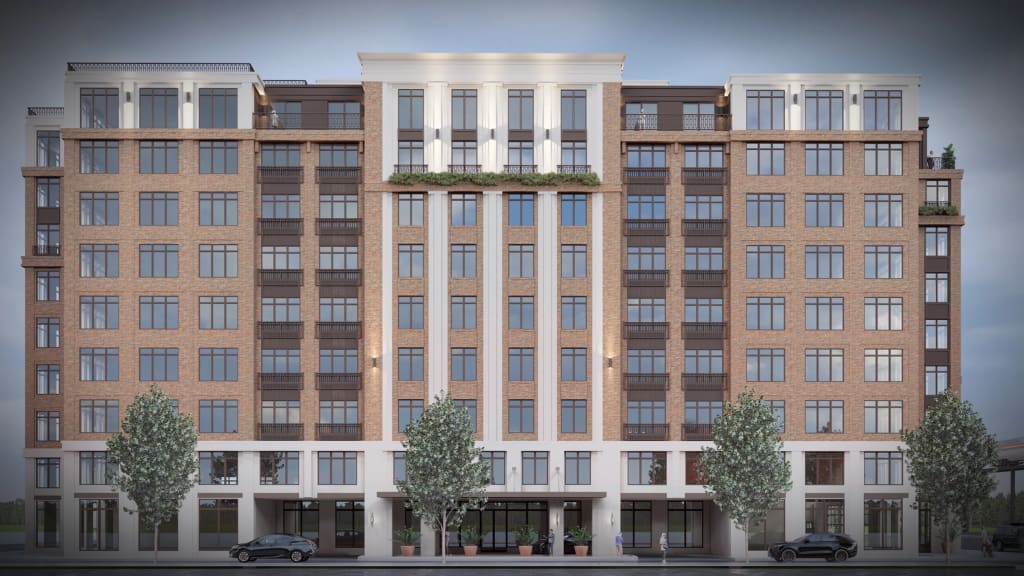
At the intersection of finance, design, and community planning stands a figure often misunderstood, yet profoundly impactful: the modern real estate developer. Far from being a mere builder or financier, a developer is a visionary—someone who sees a future where others see only an empty lot or a dilapidated structure. They are the catalyst for change, the orchestrator of complex projects that transform raw land into bustling communities, urban centers, and economic engines. This intricate process is a delicate balance of art and science, requiring a deep understanding of market trends, regulatory frameworks, and human behavior. The journey from a single, compelling idea to a completed, habitable building is a testament to their foresight, risk tolerance, and unwavering commitment to bringing a vision to life.
The Development Lifecycle: A Journey of Orchestration
The path of a development project is a meticulously planned sequence of phases, each fraught with its own challenges and opportunities. A single misstep can derail years of work and millions of dollars, making the developer's role one of constant vigilance and strategic adaptation. The process begins long before the first shovel breaks ground and extends far beyond the final coat of paint.
1. Ideation and Site Selection: This is the creative genesis. A developer identifies a need in the market—be it a shortage of affordable housing, a desire for a new commercial hub, or the potential for urban renewal in a neglected neighborhood. They then scour locations, evaluating a myriad of factors from zoning regulations and demographics to accessibility and environmental concerns. The site itself is the foundation of the entire project, and choosing wisely is the most critical first step.
2. Feasibility Studies and Financial Structuring: Once a promising site is identified, the numbers must align. Developers commission detailed market studies to project demand, rental rates, and property values. They work with architects and engineers to create preliminary designs and cost estimates. This phase culminates in securing financing—a complex dance with banks, private investors, and equity partners. A successful developer is as much a financial strategist as they are a project manager, capable of building a compelling case and assembling the capital required to turn an idea into reality.
3. Design, Entitlement, and Planning: With funding secured, the conceptual designs evolve into detailed blueprints. This phase involves close collaboration with a diverse team of professionals, including architects, landscape designers, and civil engineers. Simultaneously, the developer navigates the often-arduous process of entitlement—securing necessary permits, zoning approvals, and community consensus. This can involve extensive public hearings and negotiations, where a developer’s communication skills are as important as their financial acumen.
4. Construction and Project Management: This is the most visible phase, where the plans become a physical structure. The developer oversees the general contractor, monitors the budget, and ensures the project stays on schedule. This phase is a high-wire act of managing logistics, mitigating unexpected issues (like supply chain delays or weather events), and ensuring the quality of the final product meets the highest standards.
5. Marketing, Sales, and Leasing: As the building nears completion, the focus shifts to attracting tenants or buyers. The developer works with marketing teams and brokers to create a strategy that highlights the project’s unique selling points. The goal is to fill the property and begin generating revenue, a crucial step in delivering a return on investment for all stakeholders.
Navigating the Minefield of Risk
The world of real estate development is not for the faint of heart. It is a high-stakes environment where colossal rewards are balanced by equally immense risks. The developer is the ultimate risk-taker, betting on their vision and the future of the market. Some of the most significant challenges include:
• Market Volatility: Economic downturns, shifts in consumer preferences, or oversupply in a particular sector can dramatically impact a project’s profitability. A developer must possess the foresight to anticipate these changes and the flexibility to pivot when necessary.
• Regulatory Hurdles: The process of gaining permits and approvals can be lengthy and unpredictable. Changes in local zoning laws, environmental regulations, or community opposition can lead to costly delays or force a project to be abandoned entirely.
• Construction Complications: Unexpected issues on-site—ranging from unforeseen geological conditions to labor shortages and material price spikes—can push budgets and timelines far beyond initial projections. A developer must have contingency plans and a robust network of reliable contractors and suppliers.
• Financing Challenges: Securing favorable financing is a constant struggle. Interest rate hikes or a tightening of lending standards can make it difficult to secure or refinance loans, jeopardizing a project's financial viability.
Beyond the Blueprint: Building Communities
A truly successful real estate developer understands that their impact extends far beyond the physical structures they create. They are, in essence, building communities. A new housing development can provide a place for families to grow; a new retail center can become a local gathering spot; and a revitalized industrial park can create thousands of jobs. The developer's choices—from the architectural style and public spaces to the mix of residential and commercial tenants—can fundamentally shape the character and future of a neighborhood. This responsibility requires a commitment to ethical practices and a genuine interest in contributing positively to the urban fabric.
• Economic Impact: Developments drive economic growth by creating jobs during construction and through new businesses and services that emerge once the project is complete. They also increase the tax base, providing more revenue for public services.
• Urban Renewal: Developers are often the driving force behind the revitalization of blighted or underutilized areas. By transforming neglected properties, they can breathe new life into communities, attract new residents and businesses, and enhance quality of life.
• Sustainability: The most forward-thinking developers are now placing a strong emphasis on sustainable practices. This includes incorporating green building materials, designing for energy efficiency, and creating walkable, transit-oriented communities that reduce carbon footprints.
The Future is Now: Innovation and Adaptation
The real estate development landscape is constantly evolving, driven by technological advancements and shifting societal values. The future of the industry is poised to be more sustainable, data-driven, and community-centric than ever before. New technologies such as Building Information Modeling (BIM) and virtual reality (VR) are revolutionizing the design and planning phases, allowing developers and stakeholders to visualize projects with unprecedented accuracy. Furthermore, the rise of smart buildings and interconnected urban systems promises to create more efficient and responsive environments. The successful developer of tomorrow will not only be a financial expert and a project manager but also a technologist and an advocate for the environment, capable of integrating these new paradigms into their work.
A Legacy of Impact
In the end, the work of a real estate developer is about creating a legacy. It's about looking at the landscape and seeing not what is, but what could be. It's the unique satisfaction of driving by a completed project and knowing that you were the one who brought it to life—a place where people live, work, and thrive. The journey is fraught with challenges and the stakes are incredibly high, but the potential for positive impact is immeasurable. From the careful selection of a site to the final walk-through, every decision is a step toward shaping our shared future. As we look at the latest economic indicators, we can see how the vision of a few can profoundly affect the prosperity of many.
Frequently Asked Questions
Q1: What is the main difference between a real estate developer and a builder?
A: A real estate developer is the orchestrator of the entire project, from the initial vision and site acquisition to securing financing, managing a team of professionals, and overseeing the entire process. A builder or general contractor, in contrast, is primarily responsible for the physical construction of the building, working under the developer's direction and within the project's scope. The developer is the visionary and financial risk-taker, while the builder is the executor of the construction phase.
Q2: How do real estate developers make money?
A: Developers primarily generate revenue through two main strategies. They can sell the completed property—be it a residential complex or a commercial building—to an end user or an investor, making a profit on the difference between the sale price and the total cost of the project. Alternatively, they may retain ownership and generate income by leasing out the units or commercial spaces, creating a long-term stream of cash flow.
Q3: What are the biggest risks a developer faces?
A: The most significant risks include market risk (changes in demand or property values), financial risk (difficulty securing or managing financing), regulatory risk (challenges with permitting and zoning), and construction risk (unforeseen costs, delays, or issues on-site). A successful developer is adept at identifying, assessing, and mitigating these risks through careful planning and strategic partnerships.
Q4: Is a real estate development a good career?
A: Real estate development can be an incredibly rewarding career for individuals who are entrepreneurial, detail-oriented, and possess strong leadership and problem-solving skills. While it is high-risk, it offers the potential for significant financial gain and the satisfaction of building tangible projects that have a lasting impact on communities. It requires a blend of creative vision, financial acumen, and resilience.
About the Creator
Keep reading
More stories from Vocal Blog and writers in Journal and other communities.
AI Browsers and the Future of Productivity
Browsers as the Main Workspace Most professionals, you know, start their day with the browser open. It stays that way pretty much all day. They use it for SEO audits, checking SaaS dashboards, looking up competitors, or handling outreach campaigns. Basically, the browser is like their main digital workspace.
By Vocal Blog6 months ago in Journal
Author’s Advice
If you would’ve asked me 20 years ago did I know I’d become a writer and an author, I would’ve said “nope, ain’t happening”. As fate would have it I did become an author and I can honestly say I’m loving it so far. It really does feel good to be a writer. I’ve learned a lot on this journey and I feel like with even me being as new to this world as I am, there’s some wisdom I need to share with every other aspiring author.
By Joe Pattersonabout 8 hours ago in Journal
📢 Raise Your Voice Thread: 03/05/2026
Our “Raise Your Voice Threads” are hosted most alternating Thursdays at 12PM ET to offer creators more avenues to uncover exceptional stories on Vocal. As we are continuously searching for fresh creators and inspiring stories, this thread provides an opportunity to exchange and discuss the stories that have moved and motivated us on Vocal.
By Raise Your Voice by Vocal7 days ago in Resources



Comments
There are no comments for this story
Be the first to respond and start the conversation.