
From CO₂ to Fiber Lasers: What Today’s U.S. Fabrication Shops Need to Consider
From CO₂ to Fiber Lasers: What Today’s U.S. Fabrication Shops Need to Consider
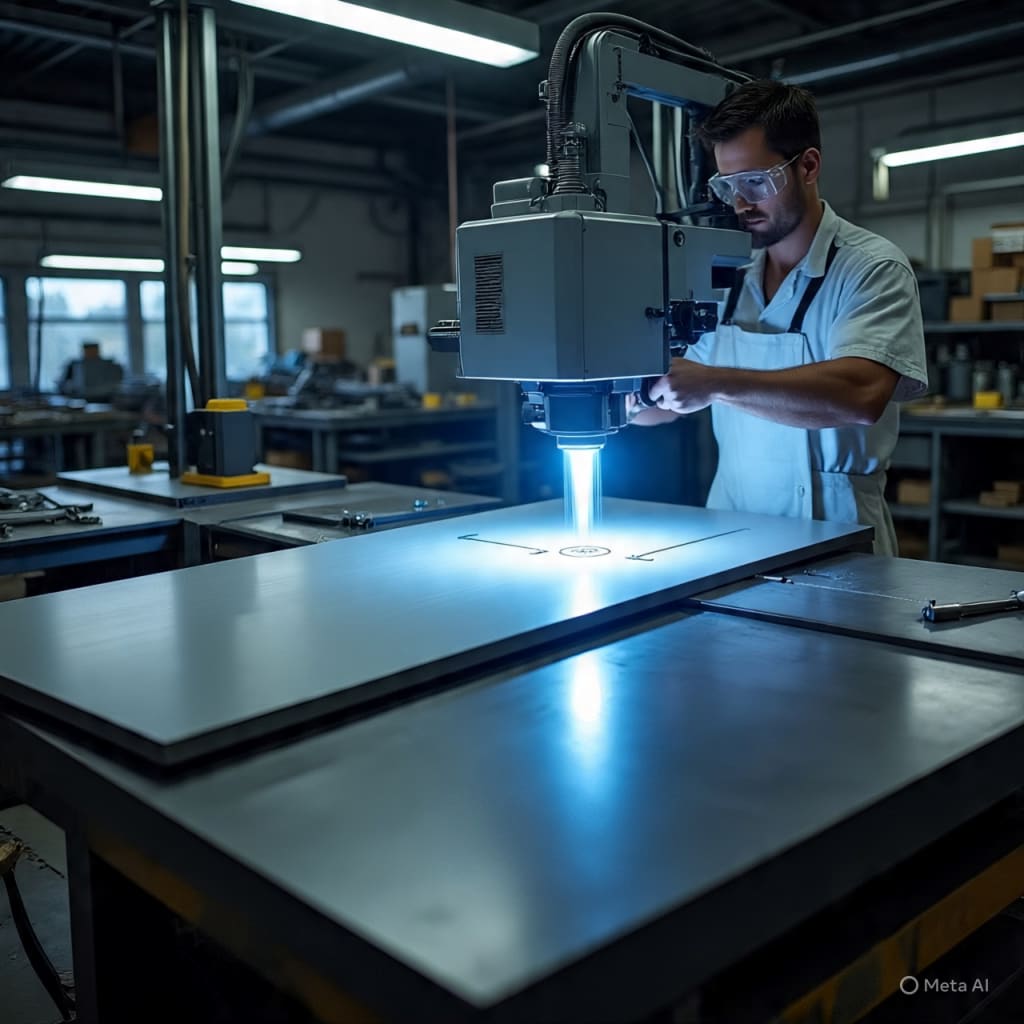
For many metal fabrication shops in the United States, laser cutting technology has been part of daily production for decades. CO₂ laser machines, in particular, played a key role in shaping modern sheet metal processing.
However, as manufacturing conditions change, more shop owners are reassessing whether traditional CO₂ systems still make sense — or whether fiber laser cutting machines are better aligned with today’s operational realities.
This article explores the practical differences between fiber lasers and CO₂ lasers, focusing on real-world shop floor considerations rather than technical theory.
Why This Question Comes Up So Often in U.S. Shops
In many American job shops, CO₂ laser cutting machines are still running reliably. They cut parts accurately, operators know them well, and workflows were built around them years ago.
But the environment around those machines has changed:
Labor costs continue to rise
Energy prices are less predictable
Customers expect faster turnaround times
Automation is becoming a necessity, not a luxury
As a result, the question is no longer “Does the CO₂ laser still work?”
It’s “Is it still the most efficient tool for how we run production today?”
How CO₂ Laser Cutting Machines Operate
CO₂ laser cutting machines generate laser energy using a gas mixture, with mirrors guiding the beam to the cutting head. This technology has long been valued for its stability and versatility.
CO₂ systems still perform well in certain applications, especially when cutting non-metal materials such as plastics, wood, or acrylic. However, in metal-focused production environments, they also introduce challenges:
Regular mirror alignment and optical maintenance
Continuous consumption of laser gas
Higher overall power consumption
Over time, these factors increase operating costs and maintenance complexity.
What Makes Fiber Laser Cutting Machines Different
A fiber laser cutting machine uses a solid-state laser source that delivers energy directly through optical fiber. This design eliminates mirrors and significantly reduces the number of components that require regular adjustment.
For many U.S. manufacturers, the transition to fiber laser technology leads to noticeable operational improvements:
Faster cutting speeds on stainless steel and aluminum
Shorter piercing times
Lower electricity consumption
More consistent performance across long production runs
Rather than feeling like a dramatic upgrade, fiber laser systems often feel like a simplification of daily operations.
Productivity Is Measured by Output, Not Specifications
In real production environments, peak cutting speed matters less than how many finished parts leave the shop each shift.
Fabrication shops using fiber laser cutting machines frequently report:
Less downtime between jobs
Reduced setup and parameter adjustment time
More predictable delivery schedules
These gains may seem incremental at first, but over weeks and months, they have a measurable impact on throughput and profitability.
Energy Efficiency and Long-Term Operating Costs
Energy efficiency has become a critical consideration for U.S. manufacturers operating multiple shifts.
CO₂ laser systems require more electrical input to achieve the same cutting output. Fiber laser cutting machines convert electrical energy into usable laser power more efficiently, which helps control long-term operating expenses.
For shops evaluating return on investment, this difference often becomes one of the strongest arguments in favor of fiber technology.
Maintenance, Downtime, and Risk Management
Unplanned downtime remains one of the most expensive challenges in metal fabrication.
CO₂ lasers rely on precise optical alignment and scheduled maintenance, which increases the risk of unexpected production interruptions. Fiber laser cutting machines reduce these risks by simplifying the optical system and minimizing wear-prone components.
For shop managers, this means fewer surprises and more stable production planning.
Material Compatibility in Metal Fabrication
Material mix plays a major role in equipment selection:
Carbon steel: Both CO₂ and fiber lasers perform well, but fiber systems offer higher throughput
Stainless steel: Fiber lasers provide cleaner edges and faster cycle times
Aluminum and reflective metals: Fiber laser cutting machines handle these materials more efficiently
Non-metal materials: CO₂ lasers still maintain an advantage
Automation and the Future of U.S. Manufacturing
Labor shortages are now a structural issue across the U.S. manufacturing sector.
Fiber laser cutting machines are designed to integrate smoothly with automated loading and unloading systems, material storage solutions, and smart factory platforms. Many manufacturers adopt fiber lasers not only for cutting performance, but because they support leaner staffing models and scalable automation.
For shops planning long-term growth, automation compatibility is becoming a decisive factor.
Final Thoughts: Choosing Technology That Fits Your Operation
There is no universal solution for every shop. CO₂ lasers still serve specific applications and continue to operate successfully in many facilities.
However, for most modern metal fabrication environments, a fiber laser cutting machine represents a more efficient, flexible, and future-ready solution.
The right choice ultimately depends on how your shop operates today — and how you plan to compete tomorrow.
About the Creator
Author’s Advice
If you would’ve asked me 20 years ago did I know I’d become a writer and an author, I would’ve said “nope, ain’t happening”. As fate would have it I did become an author and I can honestly say I’m loving it so far. It really does feel good to be a writer. I’ve learned a lot on this journey and I feel like with even me being as new to this world as I am, there’s some wisdom I need to share with every other aspiring author.
By Joe Patterson5 days ago in Journal




Comments
There are no comments for this story
Be the first to respond and start the conversation.