
Food Poisoning
What to do to avoid food poisoning like Tracy Morgan


First of all, we all know who Tracy Morgan is :-
Tracy Morgan is an American comedian, actor, and writer, born on November 10, 1968, in Brooklyn, New York. He rose to fame as a cast member on Saturday Night Live (1996–2003), where his larger-than-life personality and unique comedic style stood out. Morgan later starred in the hit NBC sitcom 30 Rock (2006–2013), playing the eccentric Tracy Jordan, a role that earned him critical acclaim and an Emmy nomination.
Beyond TV, he’s known for stand-up comedy specials like Tracy Morgan: Black and Blue (2010) and films such as Cop Out (2010) and The Longest Yard (2005). In 2014, Morgan survived a near-fatal car accident caused by a Walmart truck, which left him with severe injuries and led to a high-profile settlement. He’s since returned to performing, showcasing his resilience. Morgan’s humor often draws from his personal .
Secondly, let us know what happened with Tracy Morgan from this explanatory video from >>>here<<<
and then we will complete what we started.
** Now that we've seen what happened with Tracy, let's talk about what we can do to protect ourselves from food poisoning.
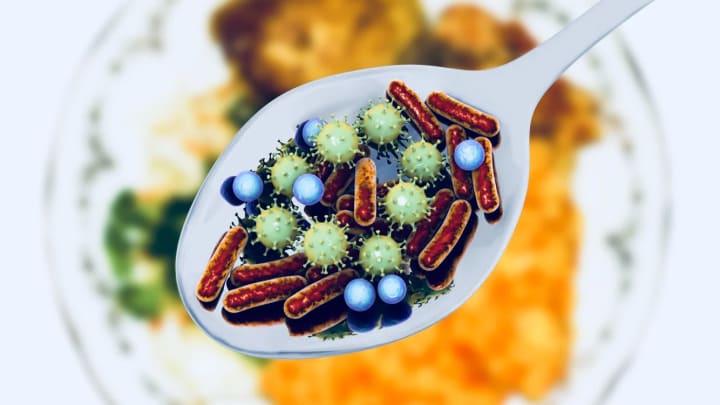
What Is Food Poisoning?
At its core, food poisoning, also known as foodborne illness, is the body’s reaction to ingesting something harmful. The culprits are usually microscopic troublemakers like Salmonella, E. coli, Listeria, or norovirus, though chemical contaminants and natural toxins (like those in undercooked mushrooms) can also be to blame. These invaders sneak into our food through improper handling, storage, or preparation, turning a delicious meal into a health hazard.
The impact varies widely. For some, it’s a brief bout of nausea; for others—especially vulnerable groups like young children, pregnant women, the elderly, or those with weakened immune systems—it can escalate into a medical emergency requiring hospitalization. Understanding its signs and sources is the first step toward keeping it at bay.
Symptoms: The Body’s Red Flags
Food poisoning doesn’t waste time making itself known. Symptoms often kick in within hours of eating contaminated food, though some cases may take days to surface, depending on the pathogen. Here’s what to watch for:
• Nausea and Vomiting: Your stomach’s way of saying, “Get this out—now!”
• Diarrhea: Often watery and persistent, sometimes with blood or mucus in severe cases.
• Abdominal Pain and Cramps: A gnawing discomfort that can double you over.
• Fever: A sign your immune system is fighting back against the invaders.
• Fatigue and Weakness: The body diverts energy to combat the illness, leaving you drained.
• Headaches: Dehydration or toxins can trigger this added misery.
The duration varies—most cases resolve within a day or two, but some, like those caused by Listeria, can linger or worsen without treatment. If symptoms persist beyond 48 hours, include severe dehydration (dry mouth, dizziness, scant urine), or involve neurological signs (blurred vision, muscle weakness), it’s time to seek a doctor. These could signal something more sinister, like botulism.
Habits That Invite Trouble
We’re often our own worst enemies when it comes to food poisoning. Everyday habits—some seemingly harmless—can roll out the welcome mat for contamination. Here are the usual suspects:
1. Poor Hand Hygiene: Skipping a thorough hand-wash before cooking or eating lets germs hitch a ride from your hands to your plate.
2. Cross-Contamination: Chopping veggies on the same cutting board you just used for raw chicken? That’s a recipe for Salmonella.
3. Improper Storage: Leaving perishables like meat, dairy, or cooked rice at room temperature for too long gives bacteria a breeding ground.
4. Undercooking: A rare burger might taste great, but if it’s not heated to the right internal temperature (e.g., 165°F for poultry), pathogens survive.
5. Ignoring Expiration Dates: That yogurt at the back of the fridge might look fine, but past its prime, it’s a gamble.
6. Neglecting Kitchen Cleanliness: Dirty sponges, unwashed counters, or grimy fridge shelves harbor germs waiting to pounce.
7. Risky Food Choices: Unpasteurized milk, raw shellfish, or sprouts can carry hidden dangers if not handled with care.
These habits aren’t always obvious culprits until the damage is done. Awareness is key to breaking the cycle.
Prevention: Building Your Food Safety Shield
The good news? Food poisoning is largely avoidable with a few mindful practices. Here’s how to fortify your defenses:
• Wash Up: Scrub your hands with soap for at least 20 seconds before and after handling food. Don’t forget utensils, cutting boards, and countertops—clean them with hot, soapy water.
• Separate Raw and Ready: Use different boards and knives for raw meats and produce. Keep raw items below cooked foods in the fridge to prevent drips.
• Cook It Right: Invest in a food thermometer. Poultry needs 165°F, ground meat 160°F, and fish 145°F internally to kill off nasties.
• Chill Promptly: Refrigerate leftovers within two hours of cooking (one hour if it’s above 90°F outside). Keep your fridge at or below 40°F.
• Thaw Safely: Never defrost meat on the counter—use the fridge, cold water, or microwave instead.
• Check Before You Eat: Toss anything that smells off, looks slimy, or has mold (unless it’s a cheese meant to be that way). When in doubt, throw it out.
• Be Wary of High-Risk Foods: Rinse fruits and veggies thoroughly, even if you’ll peel them. Avoid raw or undercooked items if you’re in a high-risk group.
• Stay Hydrated: If you do get sick, sip water or electrolyte drinks to replace what’s lost to vomiting or diarrhea.
Restaurants and takeout aren’t off the hook either—choose reputable spots, and if something arrives lukewarm or suspect, send it back. Your gut will thank you.
When It Strikes: What to Do
Despite your best efforts, food poisoning can still sneak through. If it does, rest and hydration are your allies. Avoid solid foods for a few hours, then ease back in with bland options like toast, bananas, or rice. Over-the-counter meds might ease nausea or diarrhea, but check with a doctor if you’re unsure. And if symptoms escalate—think high fever, bloody stools, or inability to keep liquids down—get medical help fast.
A Fresh Perspective
Food poisoning isn’t just a personal inconvenience; it’s a reminder of our connection to the systems that feed us. From farm to fork, every step matters. By rethinking our habits and embracing simple precautions, we don’t just protect ourselves—we contribute to a culture of safety. So next time you’re in the kitchen, see it as a chance to outsmart the microbes. After all, a meal should leave you satisfied, not sidelined.
About the Creator
M.Nader
I am just a writer, researcher, and news communicator. I write my articles and blogs in the way I see fit and unique. I hope you enjoy my work.




Comments
There are no comments for this story
Be the first to respond and start the conversation.