
Flowers as Symbols of Hope: A Deeper Look into Their Meaning
Flowers have always held a special place in human culture, not just for their beauty, but for the deep symbolic meanings they carry. Among these meanings, one of the most profound and universal is the symbol of hope.
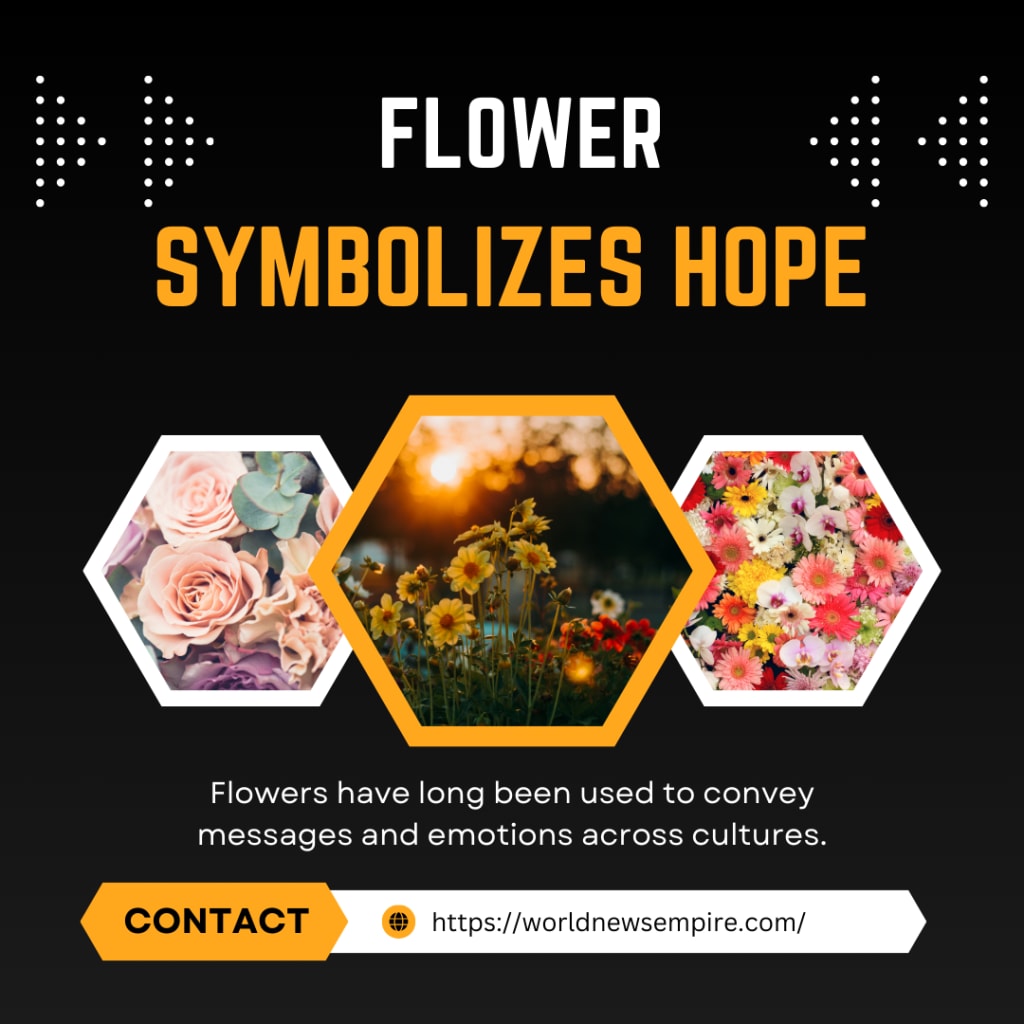
Whether it’s the bright daffodils of spring, the resilient lotus that rises from muddy waters, or the delicate cherry blossoms that bloom after a harsh winter, flowers embody hope in countless ways. In this article, we will explore how flowers symbolize hope across different cultures, their role in inspiring hope in times of despair, and why they remain a powerful symbol of renewal and optimism.
The Universal Symbolism of Flowers and Hope
Across various cultures and belief systems, flowers have been recognized as symbols of hope, renewal, and transformation. Their ability to bloom, even in the harshest conditions, makes them a powerful metaphor for human resilience. A flower’s journey from seed to bloom reflects growth, change, and the eventual triumph over adversity – all of which are tied to the concept of hope.
Flowers and Their Connection to Renewal
In many cultures, the emergence of flowers after a long, cold winter is seen as a sign of renewal. As the seasons change, flowers begin to bloom, signaling the end of a dark period and the start of something beautiful. This cyclical pattern mirrors the way hope often arises in difficult times, reminding us that no matter how bleak things may seem, there is always the possibility for new beginnings and brighter days.
For instance, the snowdrop, often one of the first flowers to bloom in the spring, is commonly associated with hope in many parts of the world. Its ability to emerge through the snow is seen as a metaphor for overcoming hardship, and it serves as a reminder that even in the coldest, most difficult times, something beautiful can grow.
Flowers That Specifically Symbolize Hope
1. Daffodils: The Symbol of New Beginnings
Daffodils, with their bright yellow petals, are often associated with hope and new beginnings. In the language of flowers, known as floriography, daffodils symbolize rebirth and a fresh start. Their appearance in early spring marks the end of winter and the start of warmer days, making them a symbol of optimism. Daffodils are often used to convey hope during times of grief, as they remind us that life continues and that every end is followed by a new beginning.
2. Lotus: Hope Through Adversity
The lotus flower holds significant meaning in various cultures, especially in Asian traditions. In Buddhism, the lotus represents spiritual growth and enlightenment, rising above the muddy waters of suffering and pain. This flower is a powerful symbol of hope because it grows in challenging conditions, yet it emerges pure and beautiful, untouched by the muck around it. The lotus reminds us that even in the darkest moments, we can rise above adversity and find beauty and peace within ourselves.
3. Cherry Blossoms: The Ephemeral Nature of Life and Hope
Cherry blossoms, or sakura, are widely celebrated in Japan and are a symbol of the fleeting nature of life. Although their bloom is short-lived, it is considered a reminder to cherish the present and to remain hopeful, knowing that beauty can be found even in moments that pass quickly. The cherry blossom’s delicate petals falling to the ground are a symbol of hope that encourages us to embrace each day, appreciating its transient beauty while looking forward to the future.
4. Sunflowers: The Radiance of Hope
Sunflowers are often regarded as a symbol of hope and positivity due to their bright, yellow color and their habit of turning toward the sun. They represent resilience and the power of positivity in the face of challenges. Just as sunflowers reach toward the light, they remind us to always seek out the good and to stay hopeful, even when life seems dark. They are a perfect example of the enduring power of hope to bring warmth and light into our lives.
5. Lavender: Hope and Healing
Lavender is another flower that carries a strong association with hope, especially in the context of healing and peace. Known for its calming properties, lavender symbolizes serenity and the hope for emotional restoration. It is often used in aromatherapy to soothe anxiety and stress, serving as a reminder that hope is not just about looking forward to the future but also finding peace and healing in the present.
The Role of Flowers in Inspiring Hope in Difficult Times
In times of crisis, flowers can provide comfort and remind us that even in the most challenging situations, there is always the potential for growth and renewal. Flowers are often used in times of loss, grief, or illness to convey sympathy, support, and encouragement. The act of gifting someone flowers or having them in one’s home can serve as a visual reminder that life is constantly evolving and that hope is never truly lost.
For example, flowers are frequently seen at memorials and funerals, not just as a sign of remembrance, but also as a message of hope. The gesture of giving flowers conveys the belief that while we may be mourning, life continues, and there is always the possibility for healing and renewal. This sense of hope is reinforced by the flowers’ natural cycle, which symbolizes the ongoing rhythm of life.
Flowers in Art and Literature as Symbols of Hope
Throughout history, flowers have appeared in art, literature, and folklore as powerful symbols of hope. From the rose in poetry, symbolizing love and hope, to the lily in religious art, representing purity and renewal, flowers have been used as metaphors for the human experience. Their beauty, fragility, and resilience make them the perfect symbol of hope in creative expressions.
In literature, flowers often appear as symbols of hope in stories of personal growth and transformation. Whether it’s a character overcoming hardship or finding love and peace after turmoil, flowers act as metaphors for the hope that accompanies change. In this way, flowers help to communicate the idea that life is constantly evolving, and no matter how difficult the journey, there is always hope for a brighter tomorrow.
Why Flowers Continue to Be Symbols of Hope Today
Despite the passage of time, flowers continue to symbolize hope because they are deeply rooted in the human experience. We are naturally drawn to the beauty and symbolism of flowers, and they provide a connection to the natural world that transcends cultural boundaries. Flowers represent the promise of new beginnings, the resilience to overcome challenges, and the beauty that can emerge from difficult times. They remind us that hope is a constant force in life, just as flowers continue to bloom year after year, no matter the seasons we face.
Conclusion: Embracing Hope Through the Beauty of Flowers
Flowers are more than just beautiful decorations or gifts. They carry profound meanings that resonate deeply with the human spirit, and their symbolism as representations of hope has endured for centuries. From daffodils that signify new beginnings to the lotus that symbolizes rising above adversity, flowers offer timeless reminders that no matter what challenges we face, hope will always bloom.
Incorporating flowers into our lives—whether through gardening, gifting, or simply appreciating their beauty—reminds us that hope is a powerful force for change and renewal. As we navigate life’s ups and downs, flowers will continue to inspire us to embrace the light, trust in the process of growth, and believe in the promise of brighter days ahead.
About the Creator
Keep reading
More stories from James Anderson and writers in Journal and other communities.
Comprehensive Insights into Cylinder Tube Packaging for Product Success
Cylinder tube packaging is revolutionizing how brands deliver, protect, and present their products to consumers. By offering a superior combination of aesthetics, durability, and sustainability, this packaging format supports strategic marketing goals, enhances unboxing experiences, and fosters deeper customer loyalty.
By James Anderson8 months ago in BookClub
I Stopped Treating SEO Like a Formula—and Everything Changed
When SEO Started Feeling Like Noise I remember the moment SEO stopped feeling creative for me. I wasn’t burnt out from writing—I was tired of constantly adjusting my words to satisfy systems I couldn’t fully see. Every update felt like a reset button. What worked yesterday felt irrelevant today. I wasn’t failing, but I wasn’t moving forward either.
By Anthony Rodgers5 days ago in Journal




Comments
There are no comments for this story
Be the first to respond and start the conversation.